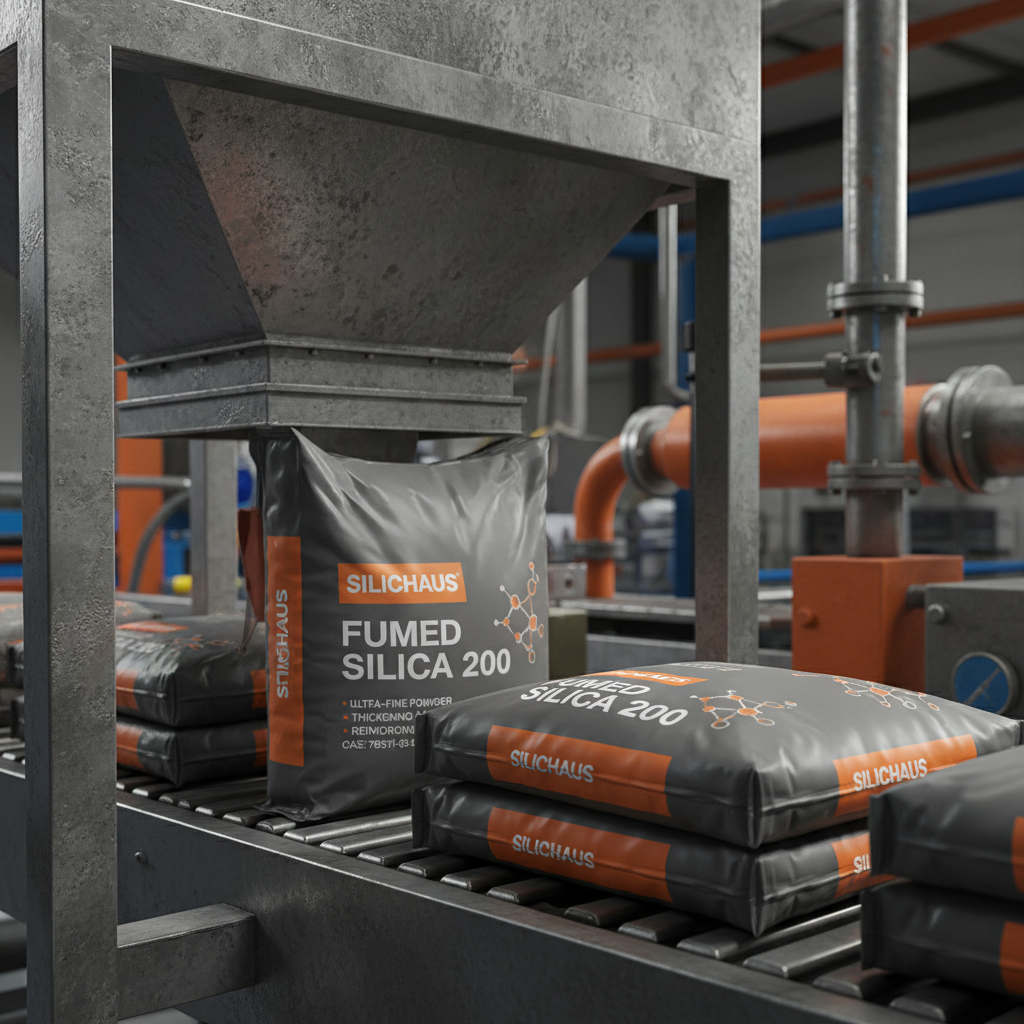
Silicon dioxide hydrophobic, or water-repellent silica, isn't just some lab curiosity; it’s a game-changer impacting industries from construction to coatings, and even pharmaceuticals. We’re talking about fundamentally altering how materials interact with water – preventing damage, increasing lifespan, and improving performance. For years, we’ve been patching and repairing structures degraded by water intrusion. Now, with advancements in hydrophobic silicon dioxide, we're shifting towards preventative solutions, building things to last. It’s a move that saves time, money, and resources in the long run, and frankly, makes my job on-site a lot less stressful.
I’ve spent the last fifteen years crawling around construction sites, seeing firsthand the damage water causes. Concrete spalling, corrosion of steel reinforcement, mold growth – it’s a constant battle. Traditional waterproofing methods are often labor-intensive, prone to failure, and require frequent maintenance. This is where silicon dioxide hydrophobic steps in. It's not a replacement for good design and construction practices, mind you, but it provides an extra layer of defense, significantly extending the life of structures and reducing the need for costly repairs. And believe me, budgets are always tight.
What's really exciting is seeing how quickly this technology is evolving. From simple surface treatments to integrated admixtures in concrete, the applications are expanding rapidly. It’s no longer just about keeping water out; it’s about enhancing the durability and performance of the materials themselves. I’ve seen concrete with hydrophobic silica admixtures that resists freeze-thaw cycles far better than conventional mixes, making it ideal for harsh climates. It's a solid, practical application of materials science that delivers real-world results.
The Global Impact of Silicon Dioxide Hydrophobic
The global construction industry alone is a multi-trillion-dollar market, and a significant portion of that expenditure is tied to maintenance and repair caused by water damage. According to a 2023 report by the World Bank, infrastructure degradation costs developed nations around 3-5% of their GDP annually. Silicon dioxide hydrophobic offers a proactive solution to reduce those costs significantly. We're not just talking about buildings here; it applies to bridges, roads, tunnels, and even critical infrastructure like dams and water treatment plants. The ISO standards are increasingly recognizing the benefits of hydrophobic treatments for concrete and masonry, driving adoption globally.
What I’ve noticed is the increasing demand in regions with extreme climates – the Middle East with its intense heat and humidity, Nordic countries facing freeze-thaw cycles, and coastal areas prone to saltwater intrusion. These are areas where the performance benefits of silicon dioxide hydrophobic are immediately apparent. It's a critical technology for ensuring the longevity and safety of infrastructure in a changing climate. It’s no longer a “nice to have;” it’s becoming a necessity.
Defining Silicon Dioxide Hydrophobic
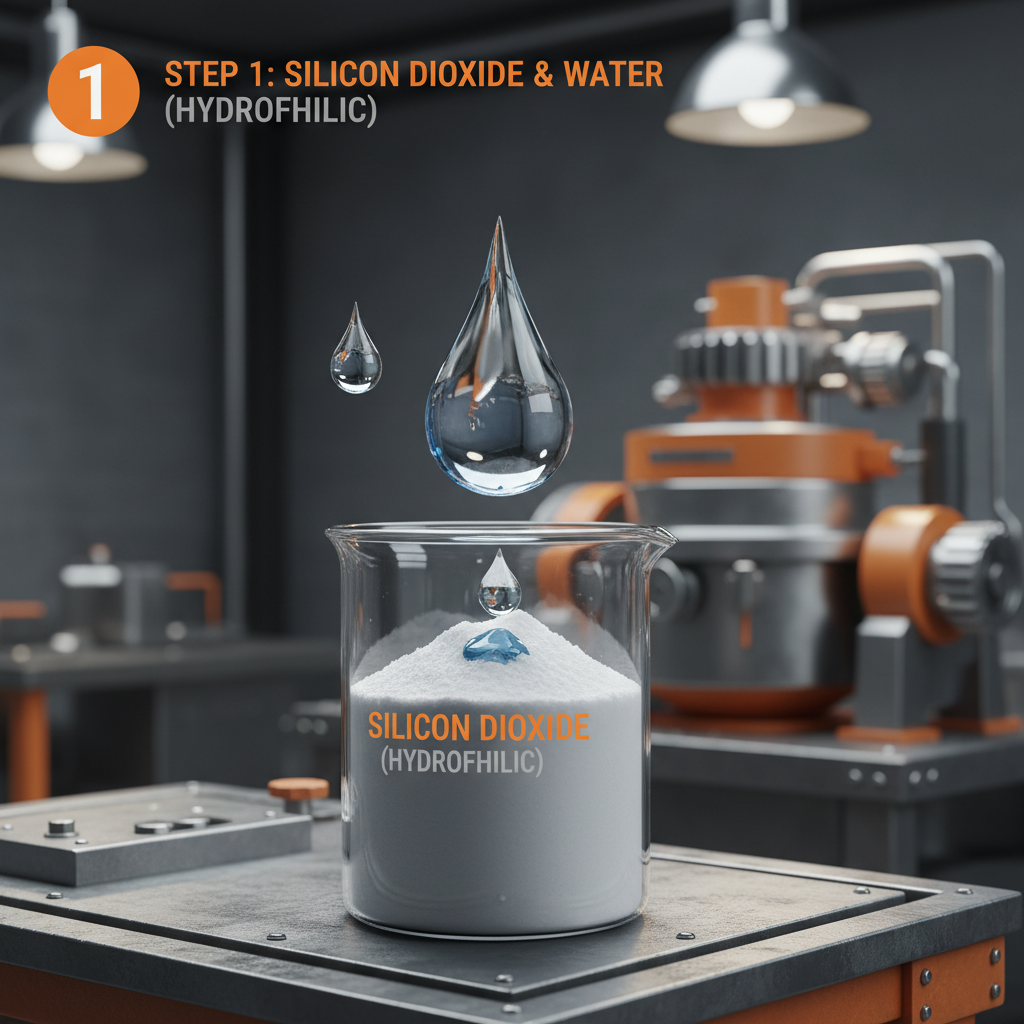
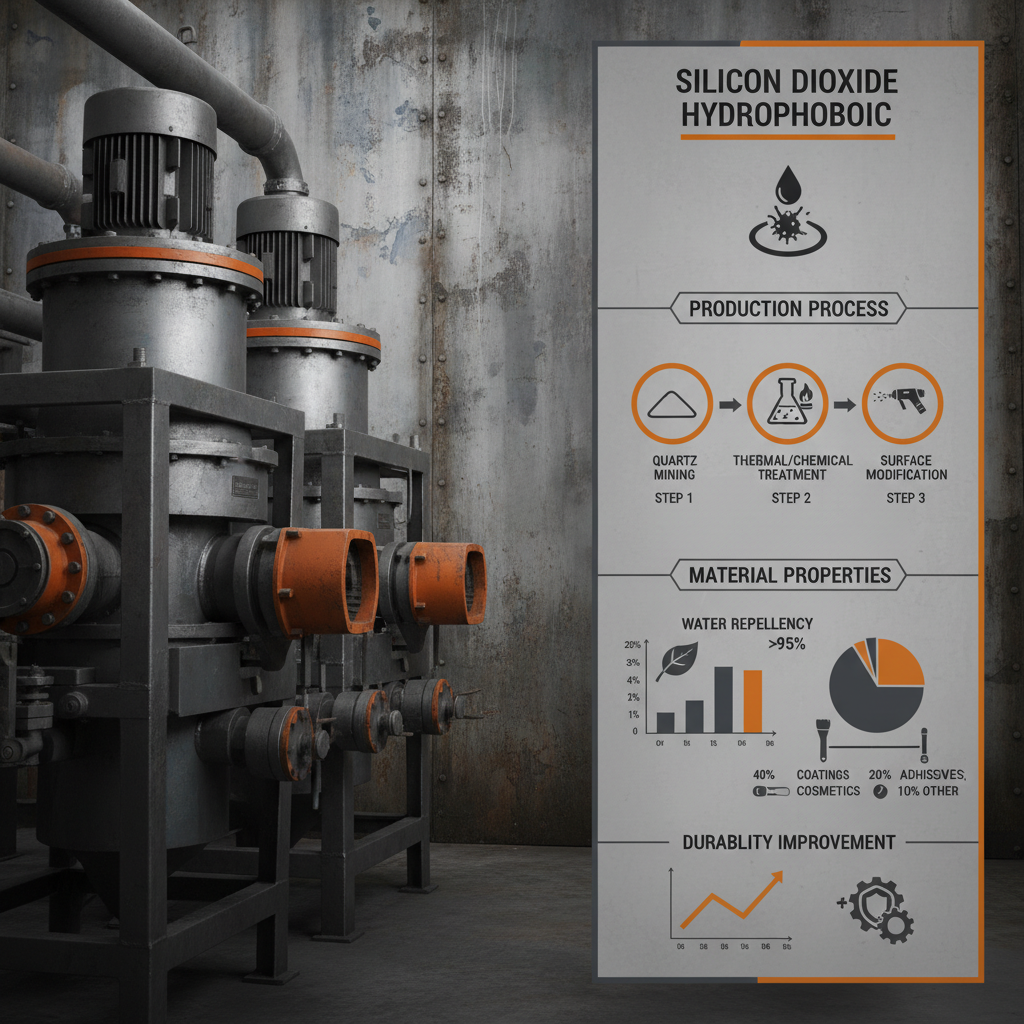
Simply put, silicon dioxide hydrophobic is silica (the main component of sand) that's been treated to repel water. This isn't about making things waterproof; it’s about preventing water from penetrating the material’s surface. The treatment creates a microscopic layer that dramatically increases the contact angle between water and the surface. Think of it like a lotus leaf – water beads up and rolls off, taking dirt and contaminants with it. This is achieved through various chemical modifications, often involving silanes or siloxanes. It's all chemistry, but the result is a tangible improvement in material performance.
The connection to modern industry and humanitarian needs is profound. In construction, it protects concrete and masonry from water damage. In textiles, it creates water-repellent fabrics. In pharmaceuticals, it improves the flowability and stability of powders. And in disaster relief, hydrophobic coatings can be applied to temporary shelters to provide a basic level of weather protection. We used it recently in a temporary hospital setup after a typhoon; it wasn't a perfect solution, but it helped keep vital equipment dry.
The real advantage is that it's often a surface treatment, meaning it can be applied to existing structures without major demolition or reconstruction. This opens up a huge market for retrofitting and extending the lifespan of aging infrastructure, reducing waste and saving resources.
Key Factors Influencing Performance
Durability: The lifespan of the hydrophobic coating is critical. A treatment that washes away after the first rainstorm is useless. The quality of the silane or siloxane used, the application method, and the exposure conditions all influence durability. I've seen some coatings last over 10 years with minimal degradation, while others start to fail within months.
Application Method: Spraying, brushing, dipping, or adding as an admixture to concrete – each method has its pros and cons. Spraying is fast but can be uneven. Brushing is more controlled but labor-intensive. Admixtures offer uniform distribution but can affect the concrete's properties. Choosing the right method for the specific application is crucial.
Substrate Preparation: A clean, porous surface is essential for proper adhesion. Dirt, oil, and existing coatings must be removed. Proper surface preparation is often overlooked, leading to premature coating failure. I always emphasize this to the crews.
Concentration & Coverage: Too little coating, and you won't achieve adequate water repellency. Too much, and you might affect the material's breathability or appearance. Finding the optimal concentration and coverage rate is key.
Environmental Conditions: Temperature, humidity, and UV exposure can all impact the performance of hydrophobic coatings. Some coatings are more susceptible to UV degradation than others. Understanding these factors is crucial for long-term performance.
Global Applications & Real-World Use Cases
We’re seeing silicon dioxide hydrophobic used extensively in concrete protection – bridge decks, parking garages, building facades. It's protecting these structures from chloride intrusion, a major cause of corrosion in reinforced concrete. In Germany, they’re using it on historic masonry buildings to prevent water damage and preserve cultural heritage. I recently visited a project in Dubai where they’re applying it to the exterior walls of skyscrapers to reduce dust accumulation and improve energy efficiency. It’s really a versatile product.
Beyond construction, it’s finding applications in textiles – outdoor gear, protective clothing, upholstery. In the automotive industry, it's used on windshields to improve visibility in rainy conditions. And in the energy sector, it’s being investigated for use on solar panels to improve efficiency by preventing dust and dirt buildup. In post-disaster relief operations, rapid deployment shelters are increasingly being treated with hydrophobic coatings.
There's even exciting research happening in the area of self-cleaning surfaces. Imagine roads that stay clean during rain or buildings that require minimal maintenance. Silicon dioxide hydrophobic is a key component in making those concepts a reality.
silicon dioxide hydrophobic Application Effectiveness by Sector
Advantages & Long-Term Value Proposition
The most obvious benefit is cost savings. By extending the lifespan of materials and reducing the need for repairs, silicon dioxide hydrophobic offers a significant return on investment. But it goes beyond that. It enhances sustainability by reducing waste and the environmental impact of construction and maintenance. From a safety standpoint, preventing water damage reduces the risk of structural failures and mold growth.
There’s also a real value in peace of mind. Knowing that structures are protected from water damage provides a sense of security and confidence. I've seen it boost trust with clients, especially on long-term projects. It’s a quiet advantage, but it's important. It also fosters innovation, driving the development of new materials and construction techniques.
Future Trends & Innovations in Hydrophobic Silica
We're moving towards "smart" hydrophobic coatings that can respond to environmental changes. Imagine a coating that becomes more hydrophobic during heavy rain and less so during dry periods, optimizing breathability. Researchers are also exploring the use of nanotechnology to create even more durable and effective hydrophobic surfaces. Self-healing coatings are another exciting area of development – coatings that can repair minor damage automatically.
The integration of silicon dioxide hydrophobic with green building materials and sustainable construction practices is also gaining momentum. Combining hydrophobic coatings with recycled aggregates or bio-based materials can create truly eco-friendly building solutions. These innovations will be crucial for meeting the growing demand for sustainable infrastructure.
Challenges & Practical Solutions
One of the biggest challenges is cost. High-quality hydrophobic coatings can be expensive, making them less accessible for some projects. However, the long-term cost savings often outweigh the initial investment. Another challenge is ensuring proper application. Poorly applied coatings can fail prematurely, negating the benefits. Proper training and quality control are essential.
Also, there’s the issue of compatibility with existing materials. Not all hydrophobic coatings are compatible with all surfaces. Careful testing is needed to ensure proper adhesion and performance. We’re also seeing some concerns about the environmental impact of some silane-based coatings, driving research into more sustainable alternatives. That’s why we're always evaluating new products and application techniques.
Finally, educating contractors and building owners about the benefits of silicon dioxide hydrophobic is crucial. Many people are still unaware of this technology and its potential. We need to demonstrate the value proposition and provide clear guidance on proper installation and maintenance.
Key Factors for Evaluating Hydrophobic Coating Performance
| Coating Type |
Durability (Years) |
Cost (per sq. meter) |
Environmental Impact |
| Silane-based |
5-10 |
$15-30 |
Moderate |
| Siloxane-based |
3-7 |
$10-20 |
Low |
| Nanoparticle-modified |
8-15 |
$25-40 |
Moderate |
| Bio-based |
2-5 |
$8-15 |
Very Low |
| Hybrid Silane-Siloxane |
6-12 |
$18-35 |
Moderate |
| Acrylic-modified |
4-8 |
$12-25 |
Low |
FAQS
Waterproof coatings create a complete barrier to water penetration, while hydrophobic coatings repel water, causing it to bead up and roll off. Waterproofing is ideal for complete submersion, while hydrophobic treatments are better for preventing surface damage and maintaining breathability. We typically use hydrophobic treatments to protect surfaces from water, rather than containing water.
The lifespan varies based on the coating type, environmental exposure, and surface preparation. Generally, a good quality silane-based coating can last 5-10 years. Nanoparticle modified coatings can last even longer, up to 15 years. Regular cleaning and maintenance can extend the lifespan considerably. It’s not a “set it and forget it” solution, some upkeep is needed.
It depends on the paint type and condition. The surface needs to be clean, porous, and free of loose paint. Often, some surface preparation, such as light sanding, is required to ensure proper adhesion. Compatibility testing is always recommended before applying a hydrophobic coating over existing paint.
Some older formulations contain volatile organic compounds (VOCs) that can be harmful. However, many modern hydrophobic coatings are low-VOC or VOC-free. Bio-based hydrophobic coatings are also emerging as a more sustainable option. Choosing an environmentally responsible product is important.
A wide range of surfaces can be treated, including concrete, brick, stone, wood, metal, glass, and textiles. The key is proper surface preparation and selecting a coating that is compatible with the specific material. We've even used it on plastic components with good results.
Surface preparation is crucial. Remove any dirt, oil, grease, or existing coatings. For porous surfaces, consider lightly sanding to create more surface area for adhesion. Ensure the surface is dry before applying the coating. Follow the manufacturer's instructions carefully for optimal results.
Conclusion
Silicon dioxide hydrophobic represents a significant advancement in materials science, offering a proactive approach to protecting structures and extending their lifespan. From construction and textiles to energy and disaster relief, the applications are diverse and growing. By reducing water damage, lowering maintenance costs, and promoting sustainability, hydrophobic coatings provide a compelling value proposition for a wide range of industries.
As technology continues to evolve, we can expect to see even more innovative applications of hydrophobic materials, including self-healing coatings and smart surfaces. Investing in research and development, promoting education, and adopting best practices will be essential for realizing the full potential of silicon dioxide hydrophobic and building a more resilient and sustainable future. If you’re interested in learning more about how hydrophobic treatments can benefit your project, visit our website: silicon dioxide hydrophobic.