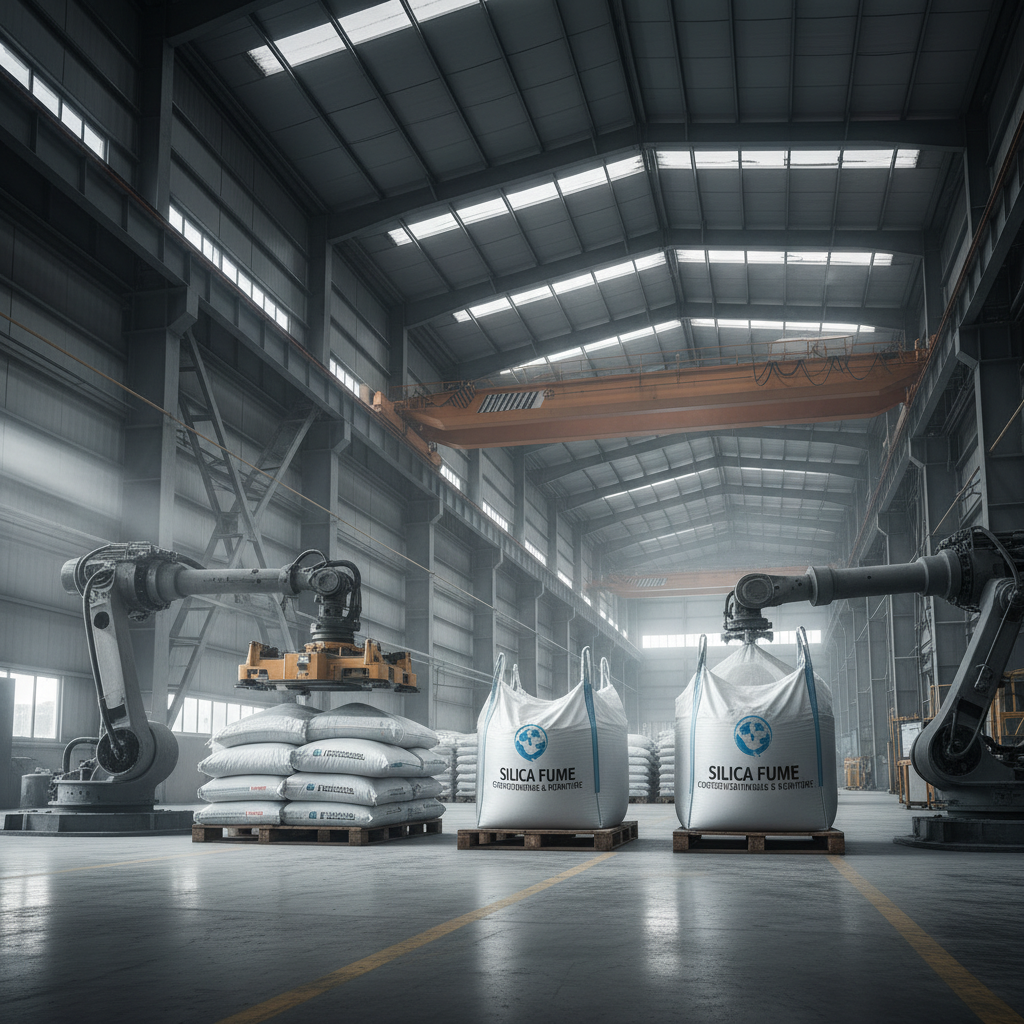
Silica fume powder – it's not a glamorous material, but trust me, after years spent on concrete pours from Dubai to Denver, you learn to appreciate the stuff. It’s the unsung hero of modern construction, quietly making everything stronger, more durable, and frankly, less prone to falling apart. We’re talking about dramatically improving concrete performance, and in an industry where safety and longevity are paramount, that's a big deal. This isn’t about hype; it's about real-world performance I’ve witnessed firsthand. silica fume powder is a game changer.
For a long time, we relied on traditional concrete mixes. They got the job done, sure, but they had limitations. Permeability was a constant headache, leading to corrosion and cracking. Then silica fume came along, a byproduct of silicon and ferrosilicon alloy production, and it started to solve those problems. It’s a remarkably fine powder, and when added to concrete, it fills in those microscopic voids, making it denser and more resistant to all sorts of nasty things. I’ve seen projects where using silica fume extended the lifespan of structures by decades.
What really struck me is how versatile this stuff is. From massive infrastructure projects like bridges and tunnels to specialized applications like shotcrete for slope stabilization, silica fume powder consistently delivers. It’s not just about strength; it’s about resilience, sustainability, and reducing lifecycle costs. It’s the kind of material that makes an engineer's job easier and a project owner sleep better at night. And after all these years in the field, I can tell you, that peace of mind is invaluable.
The Practical Value of Silica Fume Powder
Let’s get straight to it – silica fume powder isn’t about theoretical improvements; it’s about seeing tangible results on the job site. I’ve watched it consistently reduce permeability in concrete, meaning less water and chlorides can penetrate and cause corrosion of the reinforcing steel. This isn’t just about preventing cracks; it’s about extending the service life of a structure, potentially by decades. silica fume powder is a worthwhile investment.
Beyond durability, it also increases concrete strength. This allows for smaller structural elements, reducing material costs and potentially speeding up construction. And crucially, it improves the workability of concrete, even with a lower water-cement ratio. That translates to easier placement, better consolidation, and a higher-quality finished product. It's the little things that often make the biggest difference, and silica fume delivers on all fronts.
Understanding the Composition and Production of Silica Fume Powder
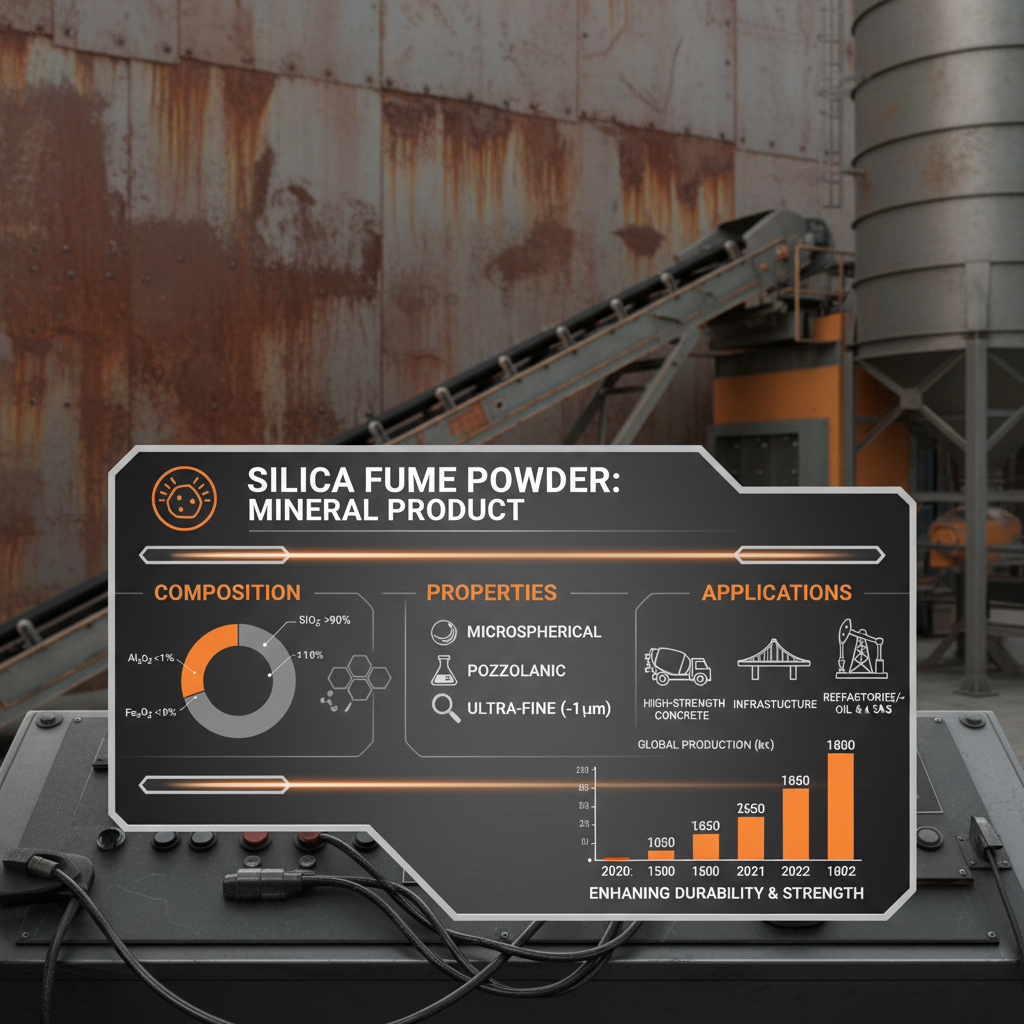
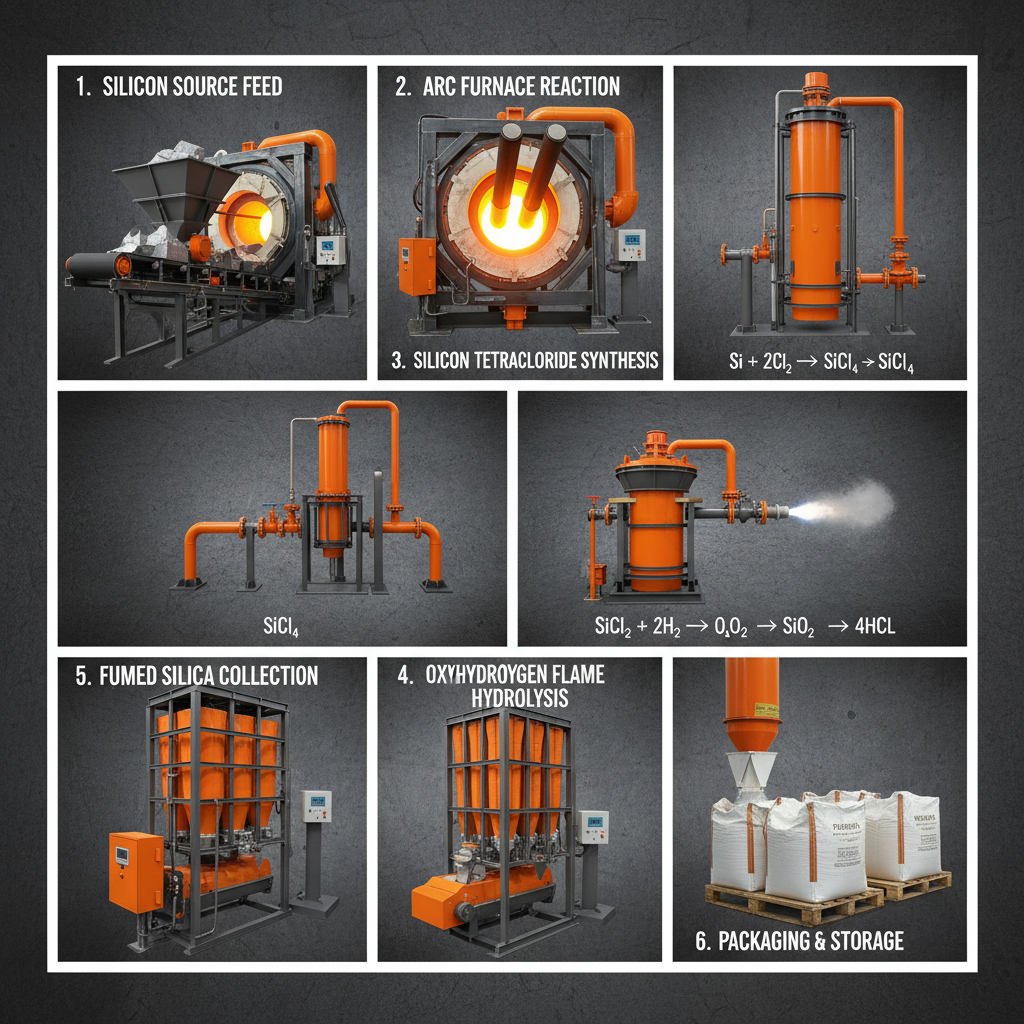
Look, I’m a boots-on-the-ground guy, not a chemist, but understanding where silica fume comes from helps appreciate its properties. It’s essentially a byproduct of producing silicon and ferrosilicon alloys in electric arc furnaces. During the reduction of quartz with carbon, silica fume is generated as a gas, then collected and condensed. It's incredibly fine – particles are typically 100 times smaller than average cement particles – and that’s key to its effectiveness.
The purity and characteristics of silica fume can vary depending on the production process and the specific alloy being manufactured. Different grades are available, with varying levels of silica content and particle size distribution. Choosing the right grade for a specific application is critical, and that's where working with a reputable supplier, like silica fume powder producers, comes in. They can guide you on selecting the optimal product for your project needs.
What’s important to remember is that it’s not a waste product; it’s a valuable resource that contributes to sustainable construction practices. Utilizing this byproduct reduces landfill waste and provides a high-performance material with significant environmental benefits. It's a win-win, and increasingly, clients are prioritizing these aspects.
Key Performance Indicators of Silica Fume Powder in Concrete
When evaluating the impact of silica fume on concrete, there are several key performance indicators we look at. Compressive strength is obviously a big one. Silica fume significantly increases compressive strength, especially at early ages. This means faster turnaround times and the ability to remove formwork sooner.
Permeability, as mentioned before, is critical. We measure water permeability and chloride ion diffusion to assess how effectively silica fume reduces the ingress of harmful substances. Lower permeability means longer-lasting structures. Another vital KPI is sulfate resistance, particularly in environments exposed to seawater or industrial waste. silica fume powder greatly enhances sulfate resistance.
Finally, we also consider shrinkage and creep. While silica fume can slightly increase drying shrinkage, the overall improvements in durability and strength often outweigh this minor drawback. Careful mix design and proper curing practices can further minimize shrinkage effects. These KPIs are what we use to ensure we're delivering a quality product that will stand the test of time.
Silica Fume Powder’s Impact on Concrete Durability
I’ve seen enough concrete fail to appreciate the importance of durability. It's not just about preventing immediate issues like cracking; it’s about ensuring a structure can withstand decades of exposure to harsh environmental conditions. Silica fume excels in this area. The pozzolanic reaction – where silica fume reacts with calcium hydroxide to form additional cementitious compounds – creates a denser, more refined microstructure.
This denser microstructure drastically reduces permeability, making the concrete more resistant to chloride ingress, which is a major cause of corrosion in reinforced concrete structures. It also improves resistance to sulfate attack, carbonation, and alkali-silica reaction. This translates to less maintenance, fewer repairs, and a significantly extended service life. Essentially, silica fume powder makes concrete tougher, more resilient, and less vulnerable to the elements.
Durability Improvements with Different Silica Fume Additions
Global Applications of Silica Fume Powder
I’ve seen silica fume used in projects all over the world, and the applications are incredibly diverse. From the high-rise buildings in bustling city centers to the offshore platforms battling the elements, this material is proving its worth. In coastal regions, its resistance to chloride penetration is crucial for protecting marine structures like piers, bridges, and seawalls.
We've used it extensively in tunnel construction, where its ability to reduce permeability and improve strength is vital for long-term stability. In fact, many of the major tunnel projects I've worked on wouldn’t have been possible without silica fume. It's also widely used in shotcrete applications for slope stabilization and repair work, providing a durable and erosion-resistant surface. The demand for silica fume powder is steadily increasing globally, as more engineers and project owners recognize its benefits.
Cost-Benefit Analysis of Using Silica Fume Powder
Let’s be honest, silica fume adds to the upfront cost of concrete. But focusing solely on the initial expense is short-sighted. You have to look at the long-term benefits. Reduced maintenance, extended service life, and lower repair costs far outweigh the initial investment. I’ve seen projects where using silica fume saved significant money over the lifetime of the structure.
Furthermore, the increased strength and durability can allow for optimized designs, potentially reducing material usage and construction time. And let's not forget the environmental benefits. By extending the life of structures, we reduce the need for demolition and reconstruction, conserving resources and minimizing waste. It’s a smart investment that pays dividends in the long run.
Future Trends in Silica Fume Powder Technology
The future of silica fume looks bright. Researchers are constantly exploring new ways to optimize its performance and expand its applications. One area of focus is developing more sustainable production methods, reducing the environmental impact of silica fume manufacturing. We're also seeing advancements in the modification of silica fume particles to enhance their reactivity and dispersion in concrete.
I’m particularly excited about the potential of combining silica fume with other supplementary cementitious materials, like fly ash and slag, to create even more durable and sustainable concrete mixes. The integration of digital technologies, such as AI-powered mix design optimization, will also play a crucial role in maximizing the benefits of silica fume. silica fume powder’s role is only going to grow.
The focus on reducing the carbon footprint of concrete is driving innovation, and silica fume is poised to be a key player in achieving these goals. Expect to see even more sophisticated applications and optimized formulations in the years to come.
Summary of Silica Fume Powder Performance Characteristics
| Performance Characteristic |
Impact on Concrete |
Typical Rating (1-10) |
Application Area |
| Compressive Strength |
Significant Increase |
9 |
High-Rise Buildings |
| Permeability Reduction |
Dramatic Decrease |
10 |
Marine Structures |
| Sulfate Resistance |
Substantial Improvement |
8 |
Wastewater Treatment Plants |
| Early Strength Development |
Accelerated |
7 |
Precast Concrete |
| Workability |
Improved with Proper Mix Design |
6 |
Complex Formwork |
| Shrinkage Control |
Requires Careful Management |
5 |
Large Concrete Slabs |
FAQS
The optimal percentage varies depending on the desired properties and application, but typically ranges from 5% to 10% by weight of cementitious material. Going too high can actually decrease workability, so it requires careful mix design and testing. I’ve seen successes with 7.5% as a sweet spot for many projects, but it's always best to consult with a materials engineer and perform trial mixes to determine the best ratio for your specific needs.
While incredibly versatile, silica fume isn't a one-size-fits-all solution. It's particularly beneficial for structures exposed to harsh environments – marine, industrial, or de-icing salts. It’s less critical for purely interior applications with minimal exposure to corrosive elements. Consider the long-term demands of the structure and weigh the cost against the performance benefits. I’ve always said, don’t over-engineer, but don’t cut corners where durability matters.
Silica fume can slightly accelerate the early hydration process, leading to faster strength gain. However, it also requires proper moist curing to ensure the pozzolanic reaction occurs effectively. Consistent moisture is crucial for maximizing the long-term benefits of silica fume. If the concrete dries out too quickly, the reaction is hindered, and you won’t achieve the full durability improvements.
Silica fume is very fine and can cause respiratory irritation. Always wear a dust mask or respirator when handling the material. Eye protection is also recommended. Avoid creating dust clouds and ensure adequate ventilation. Follow the manufacturer’s safety data sheet (SDS) for detailed handling instructions. Common sense and proper PPE go a long way.
Actually, utilizing silica fume is a sustainable practice! It's a byproduct of silicon and ferrosilicon production, diverting a waste material from landfills. While the production of those alloys does have an environmental impact, using the fume offsets some of that. Plus, the increased durability of concrete reduces the need for repairs and replacements, conserving resources over the structure’s lifespan.
Choosing a reliable supplier is key. Look for companies with a proven track record, consistent quality control, and clear product specifications. silica fume powder is a great starting point. They provide detailed technical data and can help you select the right product for your application. Don't be afraid to ask for samples and test results before making a purchase.
Conclusion
Silica fume powder isn’t just another additive; it’s a foundational element in building more durable, resilient, and sustainable infrastructure. From enhancing concrete strength and reducing permeability to extending service life and minimizing environmental impact, the benefits are undeniable. It’s a material I’ve relied on for years on countless projects, and I’ve seen firsthand the difference it makes.
The future of concrete is inextricably linked to advancements in materials like silica fume. Embracing innovation, investing in research, and adopting best practices in mix design and application are crucial for unlocking its full potential. If you’re serious about building for the long term, don’t underestimate the power of this unassuming, yet incredibly effective, material. Visit our website at www.hezhenkaolin.com to learn more.