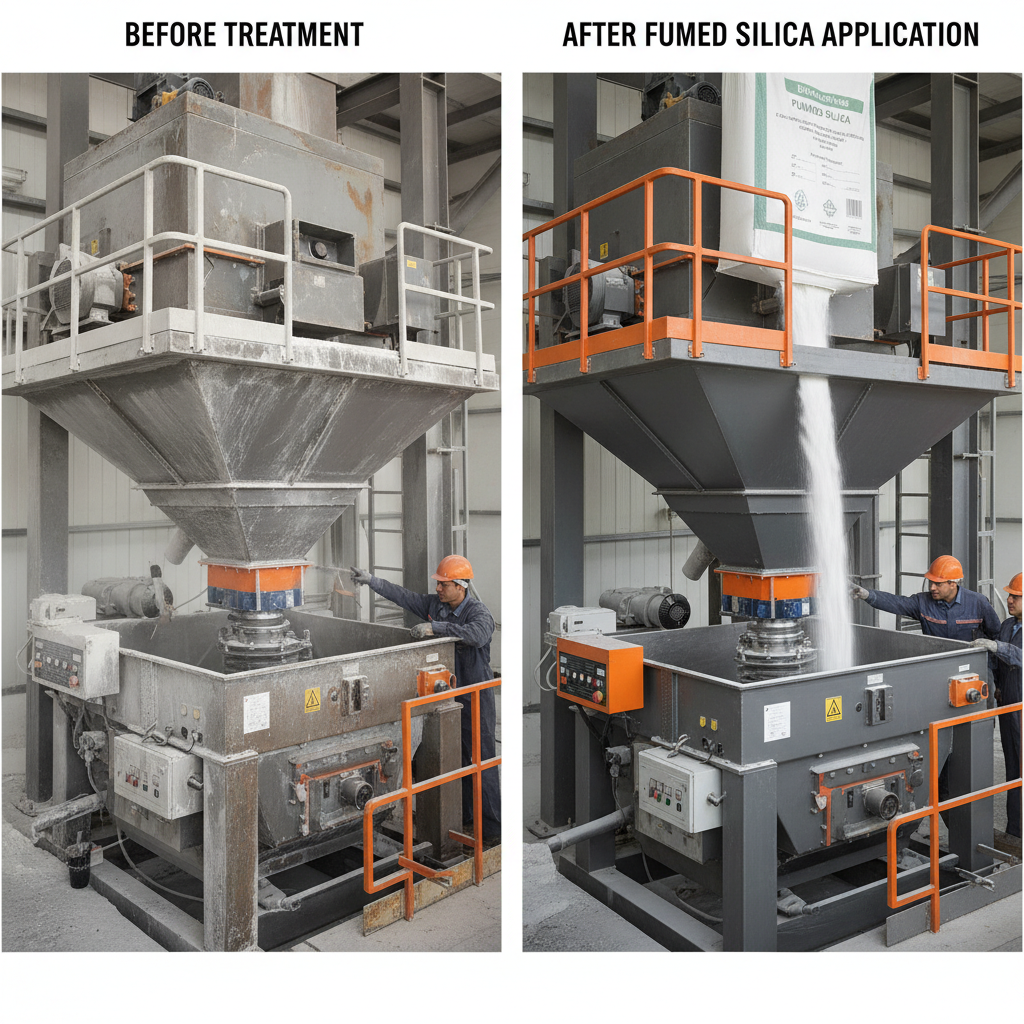
Fumed silicon dioxide, a versatile synthetic amorphous silica, stands as a cornerstone material in a multitude of modern industries. Its unique properties, stemming from its high surface area and purity, make it indispensable in everything from adhesives and sealants to pharmaceuticals and cosmetics. Understanding fumed silicon dioxide is critical, not only for optimizing existing processes, but also for unlocking new avenues of innovation across diverse sectors.
Globally, the demand for fumed silicon dioxide is steadily increasing, driven by the expansion of industries reliant on its functionalities. Market reports project continued growth, fueled by rising demands in the construction, automotive, and healthcare sectors. This material addresses critical challenges related to performance enhancement, durability, and even safety, making it a key component in a more sustainable and technologically advanced future.
As a crucial ingredient in countless products, fumed silicon dioxide plays a pivotal role in improving product characteristics, enhancing stability, and enabling the development of cutting-edge technologies. From providing thickening and anti-settling properties in paints and coatings to serving as a flow aid in pharmaceutical manufacturing, its impact is far-reaching and often unseen.
The Fundamental Properties of fumed silicon dioxide
Fumed silicon dioxide is characterized by its incredibly small particle size, typically ranging from 7 to 40 nanometers, and a correspondingly high surface area. This high surface area contributes to its remarkable thickening, thixotropic, and reinforcing capabilities. Its amorphous structure, lacking long-range order, results in excellent dispersibility and compatibility with a wide range of matrices.
Beyond its physical attributes, fumed silicon dioxide boasts exceptional chemical inertness and thermal stability. It's resistant to degradation in harsh chemical environments and can withstand high temperatures without significant alteration, making it ideal for applications demanding robust performance under extreme conditions. The purity of commercially available fumed silicon dioxide ensures minimal interference with the properties of the materials it is incorporated into.
The Production and Manufacturing of fumed silicon dioxide
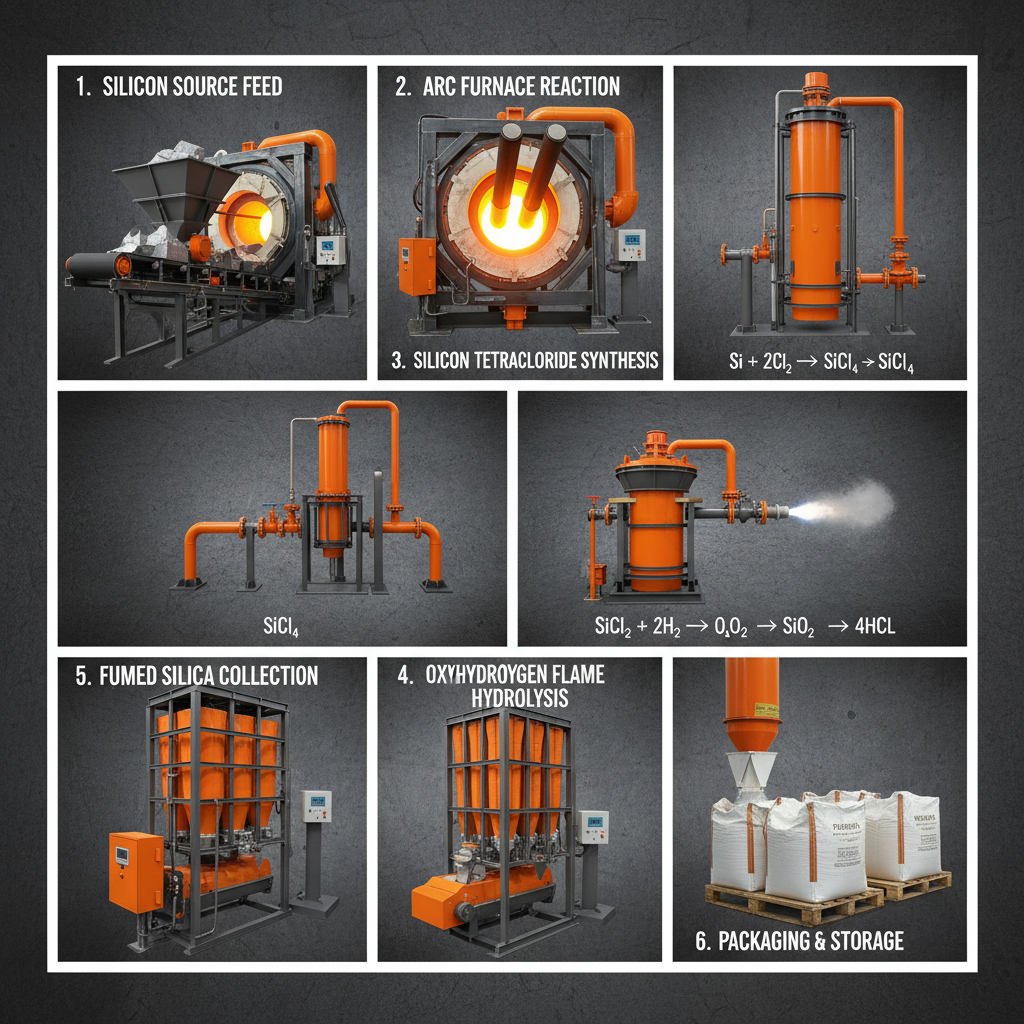
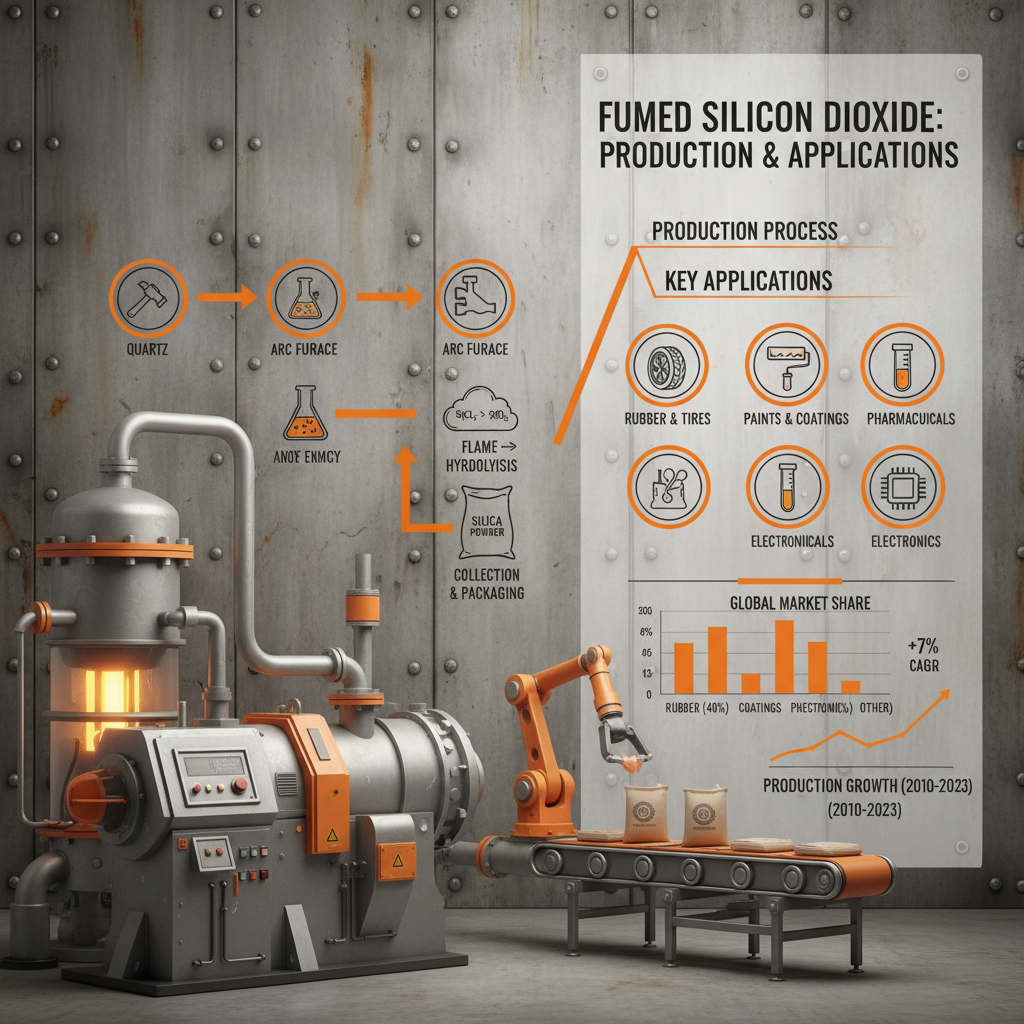
Fumed silicon dioxide is produced through a high-temperature hydrolysis process involving silicon tetrachloride (SiCl4) in a hydrogen-oxygen flame. This vapor-phase reaction generates silicon dioxide particles that rapidly condense and aggregate, forming a fluffy, lightweight powder. Precise control of the process parameters—temperature, pressure, and reactant ratios—is crucial for tailoring the particle size, surface area, and other key properties of the final product.
Following synthesis, the fumed silicon dioxide undergoes several post-processing steps, including milling and surface treatment. Milling helps to break down agglomerates, improving dispersibility, while surface treatment modifies the surface chemistry to enhance compatibility with specific matrices, such as organic polymers or aqueous systems. These modifications are essential for optimizing performance in diverse applications.
The manufacturing process requires stringent quality control measures to ensure consistent product quality and adherence to industry standards. Modern production facilities employ advanced monitoring and analytical techniques to maintain precise control over all critical parameters, resulting in a highly reliable and consistent material.
Applications of fumed silicon dioxide Across Industries
The versatility of fumed silicon dioxide leads to its widespread use across numerous industries. In the adhesives and sealants sector, it imparts thixotropy, preventing sag and improving application characteristics. Within the paints and coatings industry, it acts as a reinforcing filler, enhancing durability, abrasion resistance, and anti-settling properties.
Furthermore, fumed silicon dioxide is integral in the pharmaceutical industry as a flow aid, anti-caking agent, and tablet disintegrant. Its biocompatibility and inertness make it a safe and effective excipient in drug formulations. The cosmetic industry utilizes its thickening and matting properties in creams, lotions, and powders, providing a desirable texture and finish.
Beyond these core applications, fumed silicon dioxide finds use in the electronics industry as a component of insulating materials, in the food industry as an anti-caking agent, and even in the production of high-performance elastomers and plastics, enhancing their mechanical strength and thermal stability.
Performance Characteristics and Key Metrics
Evaluating the performance of fumed silicon dioxide relies on several key metrics. Surface area, measured in square meters per gram (m²/g), dictates its thickening and reinforcing potential – higher surface area generally equates to greater effect. Particle size, expressed in nanometers (nm), influences dispersibility and transparency.
Another critical parameter is bulk density, which impacts handling and dosage. Purity, typically exceeding 99.8%, ensures minimal interference with the properties of the host material. The refractive index influences optical properties, especially in applications requiring transparency or clarity.
Performance Comparison of fumed silicon dioxide Production Methods
Global Supply Chain and Market Dynamics
The global supply chain for fumed silicon dioxide is relatively concentrated, with a limited number of major manufacturers dominating the market. Production facilities are primarily located in North America, Europe, and Asia, with China emerging as a significant producer. Distribution networks extend globally, serving diverse industrial sectors.
Market dynamics are influenced by factors such as raw material costs (silicon tetrachloride), energy prices, and fluctuations in demand from key end-use industries. Geopolitical factors and trade policies can also impact supply chain stability and pricing. Overall, the market exhibits steady growth, driven by innovation and expanding applications.
Environmental Considerations and Sustainability
The production of fumed silicon dioxide involves the use of silicon tetrachloride, a corrosive and potentially hazardous chemical. Responsible manufacturing practices emphasize minimizing emissions and implementing robust waste management protocols. Efforts are underway to explore alternative synthesis routes utilizing more sustainable raw materials and processes.
Recycling and reuse of fumed silicon dioxide-containing materials are becoming increasingly important. Research focuses on developing technologies for recovering and repurposing silica from waste streams, reducing environmental impact and promoting a circular economy.
The long-term trend toward greener chemistry and sustainable materials is driving innovation in fumed silicon dioxide production, with a focus on minimizing carbon footprint and maximizing resource efficiency.
Future Trends and Innovation in fumed silicon dioxide
Future developments in fumed silicon dioxide are likely to center around tailoring its properties for highly specific applications. Surface modifications using novel chemistries will enable enhanced compatibility and performance in advanced materials. Nanocomposite formulations incorporating fumed silicon dioxide will unlock new functionalities in areas like lightweight structures and high-performance coatings.
Research into controlled particle morphology and hierarchical structures promises to create fumed silicon dioxide materials with unprecedented properties. The integration of digital technologies and advanced process control systems will optimize manufacturing efficiency and product quality.
Furthermore, advancements in bio-based silicon precursors could lead to more sustainable and environmentally friendly production methods, aligning with the growing demand for green materials.
Summary of Key Performance Indicators for fumed silicon dioxide
| Application Sector |
Critical Property |
Performance Rating (1-10) |
Typical fumed silicon dioxide Concentration (%) |
| Adhesives & Sealants |
Thixotropy |
9 |
2-5 |
| Paints & Coatings |
Abrasion Resistance |
8 |
1-3 |
| Pharmaceuticals |
Flowability |
7 |
0.5-2 |
| Cosmetics |
Matting Effect |
6 |
1-4 |
| Electronics |
Insulation Resistance |
9 |
5-10 |
| Elastomers & Plastics |
Mechanical Strength |
8 |
3-7 |
FAQS
Fumed silicon dioxide offers significant advantages due to its extremely small particle size and high surface area, leading to superior thickening, reinforcing, and anti-settling properties. Unlike precipitated silica, which often has a more irregular shape, fumed silica’s spherical particles provide excellent dispersibility. This translates to enhanced performance in applications like adhesives, sealants, and coatings, where uniformity and stability are critical.
Surface treatment modifies the surface chemistry of fumed silicon dioxide, enhancing its compatibility with different matrices – either water-based or organic. Hydrophilic treatment improves dispersion in aqueous systems, while hydrophobic treatment promotes compatibility with organic solvents and polymers. This customization is crucial for optimizing performance in specific applications, preventing agglomeration and maximizing reinforcement or thickening effects.
While generally considered non-toxic, fumed silicon dioxide is a very fine powder and can cause respiratory irritation if inhaled. It is recommended to wear a dust mask or respirator during handling, especially when working with large quantities. Eye protection is also advised to prevent irritation. Proper ventilation is essential to minimize dust exposure in the workplace.
Manufacturers employ rigorous quality control procedures throughout the production process. This includes using high-purity silicon tetrachloride as a starting material and implementing multi-stage filtration systems to remove impurities. Analytical techniques like X-ray fluorescence (XRF) and inductively coupled plasma mass spectrometry (ICP-MS) are used to verify the final product's purity, typically exceeding 99.8%.
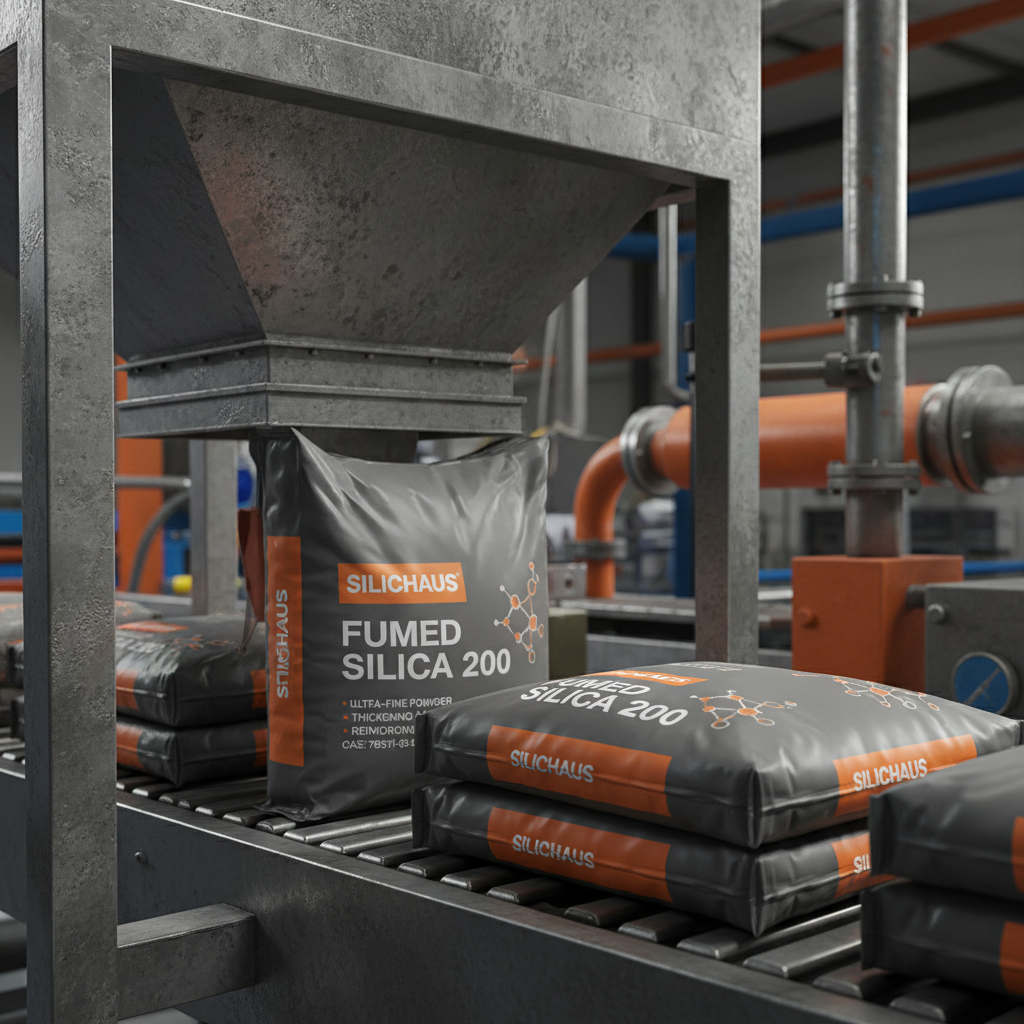
Fumed silicon dioxide should be stored in a dry, well-ventilated area, protected from moisture and direct sunlight. Exposure to humidity can lead to agglomeration, reducing its effectiveness. It's recommended to keep the material in its original, sealed packaging until ready for use, ensuring the maintenance of its desired properties and preventing contamination.
Certain grades of fumed silicon dioxide are specifically manufactured for food-grade applications, adhering to stringent regulatory requirements. These grades are typically used as anti-caking agents in powdered foods, seasonings, and salt. It’s crucial to verify that the fumed silicon dioxide meets the relevant food safety standards and certifications before use.
Conclusion
Fumed silicon dioxide stands as a remarkably versatile material with a significant impact across diverse industries. Its unique combination of properties – high surface area, small particle size, thermal stability, and chemical inertness – makes it an indispensable component in countless applications, enhancing product performance and enabling innovation. From optimizing adhesives and coatings to improving pharmaceutical formulations and electronics, its contributions are profound and often unseen.
Looking ahead, continued research and development will unlock even greater potential for fumed silicon dioxide. The focus on sustainability, tailored surface modifications, and nanocomposite formulations will drive the development of new materials and processes. Explore our range of high-quality fumed silicon dioxide products and discover how we can help you optimize your formulations and achieve your performance goals. Visit our website: fumed silicon dioxide.