Fumed silica 200, a versatile material characterized by its exceptional purity and specific surface area, is rapidly becoming integral to numerous industrial applications worldwide. Its unique properties – including thickening, thixotropy, anti-settling, and reinforcement – make it invaluable in sectors ranging from adhesives and sealants to paints, coatings, and even cosmetics. Understanding the capabilities of fumed silica 200 is crucial for businesses seeking to optimize product performance and achieve a competitive edge.
The global demand for fumed silica 200 is experiencing substantial growth, driven by increased industrialization, particularly in emerging economies. According to a report by Grand View Research, the global fumed silica market was valued at USD 1.6 billion in 2022 and is projected to reach USD 2.6 billion by 2030, registering a CAGR of 6.1% from 2023 to 2030. This growth is fueled by its ability to solve critical challenges in formulation, such as viscosity control and preventing pigment settling.
The rising need for high-performance materials coupled with stringent regulatory standards favoring environmentally friendly solutions, further solidifies the importance of fumed silica 200. Its inherent properties make it a cornerstone for innovation across diverse industries, providing functionalities often unattainable with traditional additives. Its application extends to areas like pharmaceuticals, where it acts as a flow aid and anti-caking agent, contributing to drug delivery efficiency.
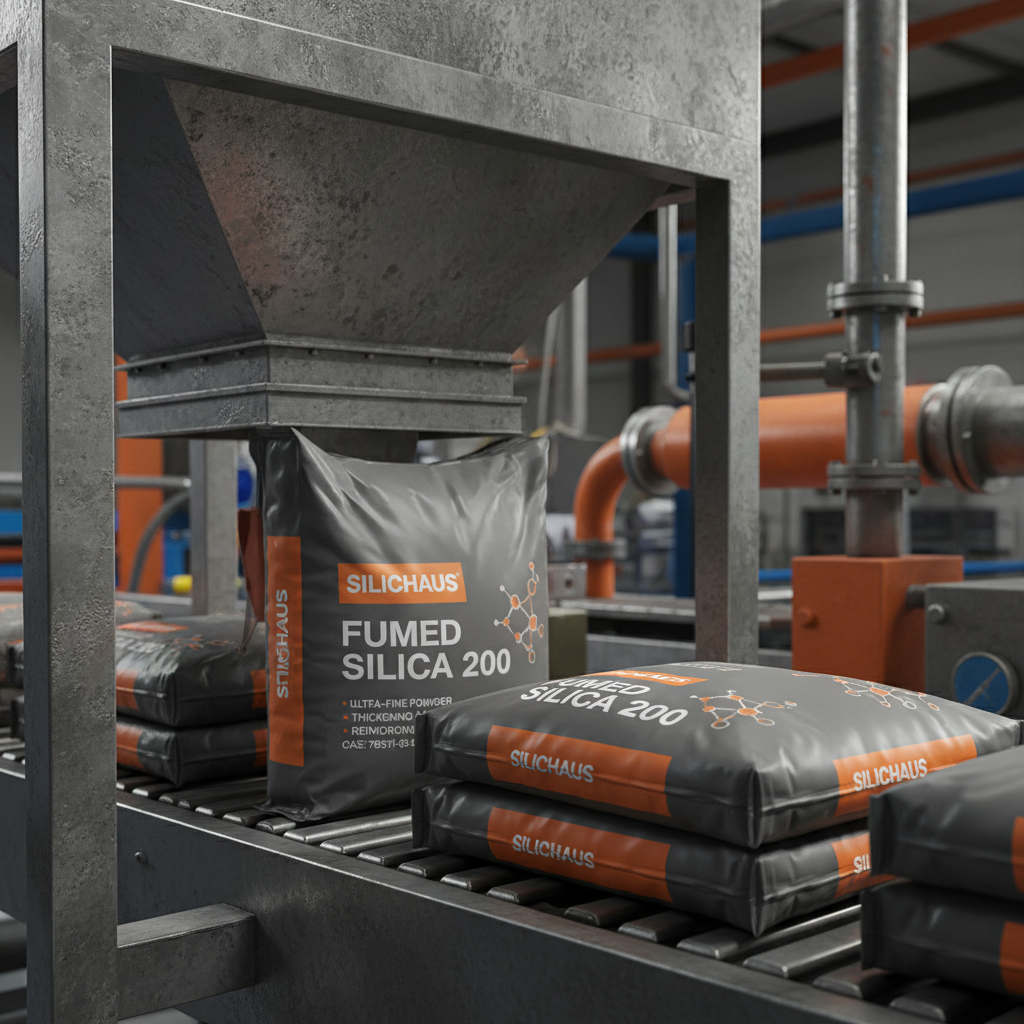
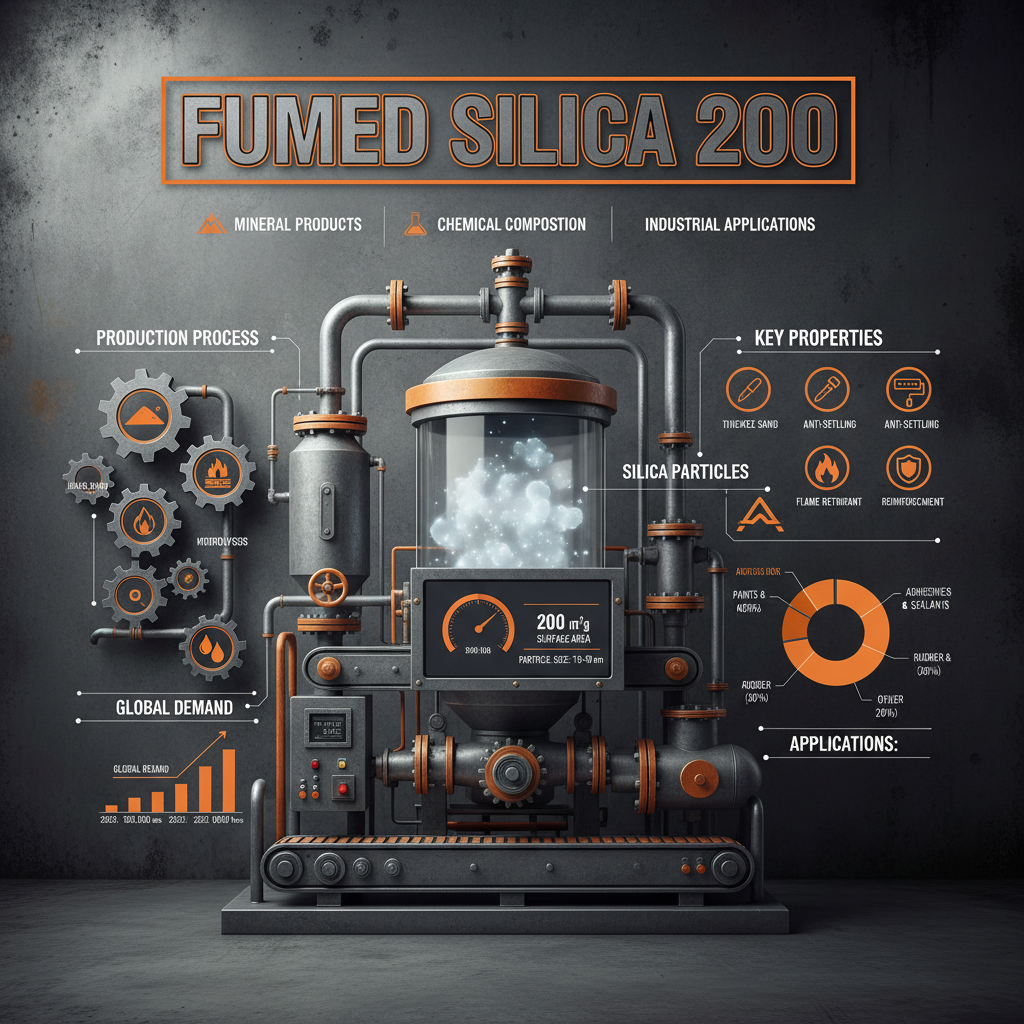
Fumed silica 200, also known as pyrogenic silica, is a synthetic amorphous silicon dioxide (SiO2) produced through the high-temperature hydrolysis of silicon tetrachloride (SiCl4) in an oxygen-hydrogen flame. This process results in extremely fine, spherical particles with a high surface area, typically ranging from 50 to 600 m²/g. The “200” designation often refers to a specific grade or particle size within the broader fumed silica family, frequently signifying a common and widely used particle size distribution.
Its unique production method grants fumed silica 200 characteristics that are crucial for many modern industrial processes. Unlike other silica forms, its purity and lack of crystalline structure contribute to its versatility and effectiveness as a performance-enhancing additive. fumed silica 200 is essential to improving product qualities in fields like adhesives, coatings, and even the pharmaceutical sector.
Fumed silica 200 acts as a rheology modifier in paint formulations, controlling viscosity, preventing pigment settling, and improving sag resistance. Its high surface area creates a network structure within the paint, enhancing its stability and application properties. Furthermore, it can improve scratch resistance and matting effects, resulting in a more durable and aesthetically pleasing finish. The concentration of fumed silica 200 used will influence the degree of these effects.
Fumed silica 200 is an amorphous (non-crystalline) form of silica produced through a vapor-phase hydrolysis process, resulting in extremely fine, spherical particles. Crystalline silica, on the other hand, has a defined crystalline structure and is often associated with health hazards, particularly respiratory issues. Fumed silica 200 is considered safer due to its amorphous nature and controlled particle size. It also possesses a much higher surface area than most crystalline silica forms, leading to different functional properties.
While fumed silica 200 generally exhibits good compatibility with a wide range of solvents and resins, it’s crucial to consider the polarity and surface energy of both materials. Untreated fumed silica 200 is hydrophilic and tends to disperse better in polar solvents. Surface modification with silanes can enhance its compatibility with non-polar solvents and resins. Compatibility testing is always recommended before incorporating fumed silica 200 into a formulation.
The optimal dosage of fumed silica 200 in adhesive applications depends on the specific adhesive type, desired properties, and other additives present in the formulation. Generally, concentrations ranging from 1% to 10% by weight are used. Lower concentrations provide thickening and anti-settling effects, while higher concentrations contribute to increased strength and reinforcement. Precise dosage optimization is vital to achieving the desired performance characteristics.
Surface treatment with silanes or other organic compounds significantly alters the surface properties of fumed silica 200. Hydrophobic treatment makes the silica water-repellent and enhances its compatibility with non-polar media. Other treatments can introduce specific functionalities, such as improved adhesion or increased reactivity. The choice of surface treatment depends on the target application and desired performance characteristics.
While fumed silica 200 is generally considered safe, it is a fine powder and can cause irritation to the respiratory system and eyes. It’s recommended to wear a dust mask and safety glasses when handling the material. Good ventilation is also crucial. Refer to the Safety Data Sheet (SDS) for comprehensive safety information and handling guidelines. Avoid creating airborne dust during handling and storage.
In conclusion, fumed silica 200 stands as a remarkably versatile material with a growing presence across diverse industries. Its unique combination of properties – high surface area, low bulk density, chemical stability, and tunable surface characteristics – allows for precise control over formulation performance and delivers significant benefits in terms of product quality, durability, and efficiency. Understanding and effectively utilizing fumed silica 200 is essential for businesses seeking to innovate and gain a competitive advantage.
Looking ahead, continued research and development will undoubtedly unlock even more applications for this remarkable material. From advancements in nanotechnology to the development of sustainable manufacturing processes, the future of fumed silica 200 promises to be filled with innovation. To learn more about how fumed silica 200 can benefit your specific application, visit our website at www.hezhenkaolin.com.