Hydrated silicon dioxide, also known as amorphous silica, is a versatile material with a growing global demand across diverse industries. Its unique properties, including high purity, large surface area, and chemical inertness, make it an invaluable component in everything from paints and coatings to food and pharmaceuticals. Understanding its characteristics and applications is crucial for manufacturers seeking to optimize product performance and innovation.
The increasing focus on sustainability and eco-friendly materials is driving demand for hydrated silicon dioxide as a replacement for less environmentally responsible alternatives. Its non-toxic nature and renewable sourcing options position it as a key ingredient in the development of greener products. Furthermore, advancements in manufacturing techniques are enhancing its functionality and expanding its potential applications.
This material's ability to act as a reinforcing agent, anti-caking agent, and thickening agent, alongside its compatibility with numerous other substances, cements its position as a cornerstone of modern industrial processes. This article will delve into the core aspects of hydrated silicon dioxide, exploring its applications, advantages, and future trends.
Understanding the Core Properties of Hydrated Silicon Dioxide
The inherent properties of hydrated silicon dioxide dictate its widespread utility. Its amorphous structure contributes to its high surface area, making it an excellent absorbent and carrier. The degree of hydration directly impacts properties like density and dispersibility, which are carefully controlled during the manufacturing process to meet specific application requirements.
Furthermore, its chemical stability and resistance to degradation make it a reliable component in harsh environments. The particle size and morphology can be tailored to optimize performance in various formulations, enhancing flowability, reinforcing strength, and modifying rheological characteristics.
The Global Significance of Hydrated Silicon Dioxide
Hydrated silicon dioxide is a globally traded commodity, essential to a wide range of industries. The Asia-Pacific region currently dominates both production and consumption, driven by rapid industrialization and growing demand from the construction, automotive, and consumer goods sectors. North America and Europe represent significant markets with a focus on high-purity grades for specialized applications.
According to recent reports, the global hydrated silicon dioxide market is projected to reach $XX billion by 2030, growing at a CAGR of X.X% (Source: Market Research Future, 2024). This growth is fueled by increasing awareness of its benefits and expanding applications in emerging sectors such as electric vehicle batteries and sustainable packaging.
A key challenge addressed by widespread use of hydrated silicon dioxide is the need for safer and more sustainable materials. Traditional fillers and additives often pose environmental or health risks; hydrated silicon dioxide offers a non-toxic, renewable alternative with a reduced carbon footprint.
Defining Hydrated Silicon Dioxide: A Chemical Perspective
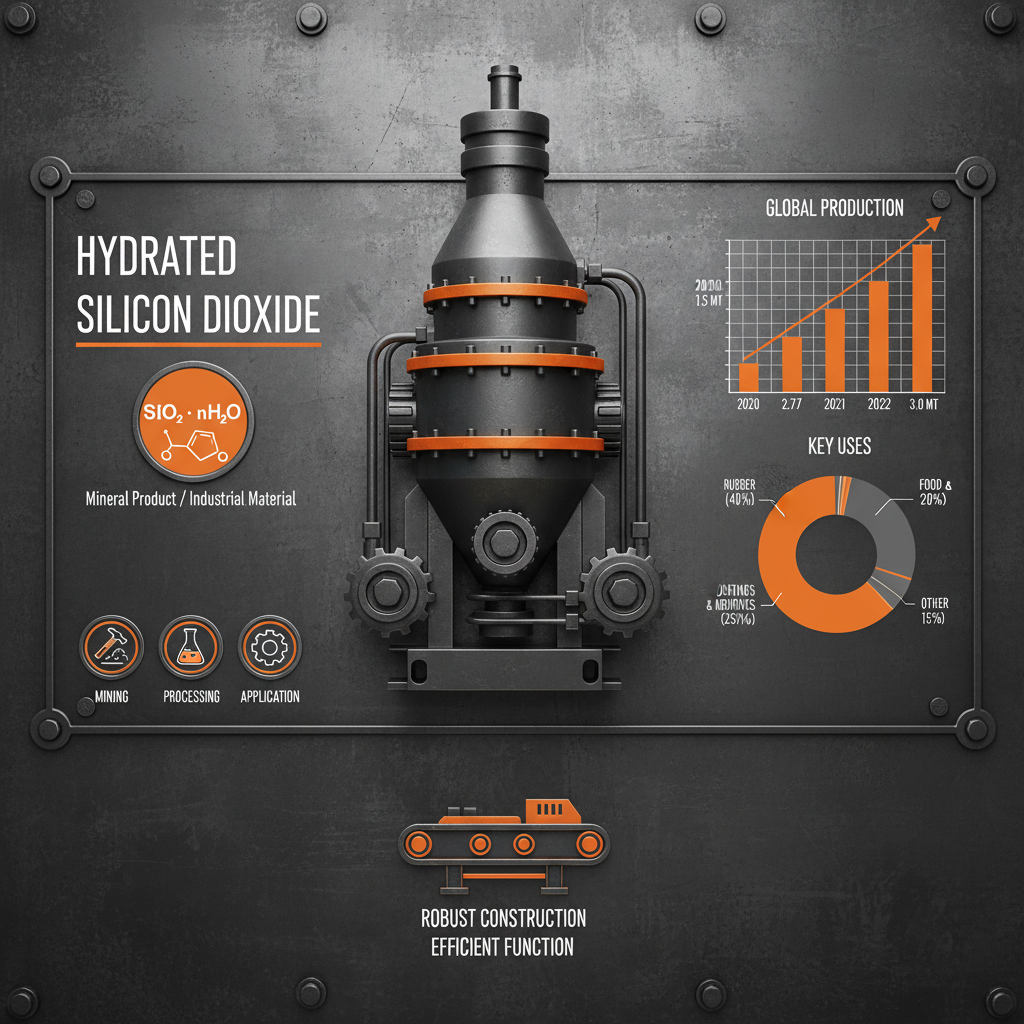
Hydrated silicon dioxide (SiO₂·nH₂O) is a synthetic amorphous form of silica containing structurally bound water molecules. The ‘n’ represents the varying degree of hydration, influencing its physical and chemical properties. It's distinct from crystalline silica (quartz), which can pose health hazards, making hydrated silicon dioxide a safer alternative in many applications.
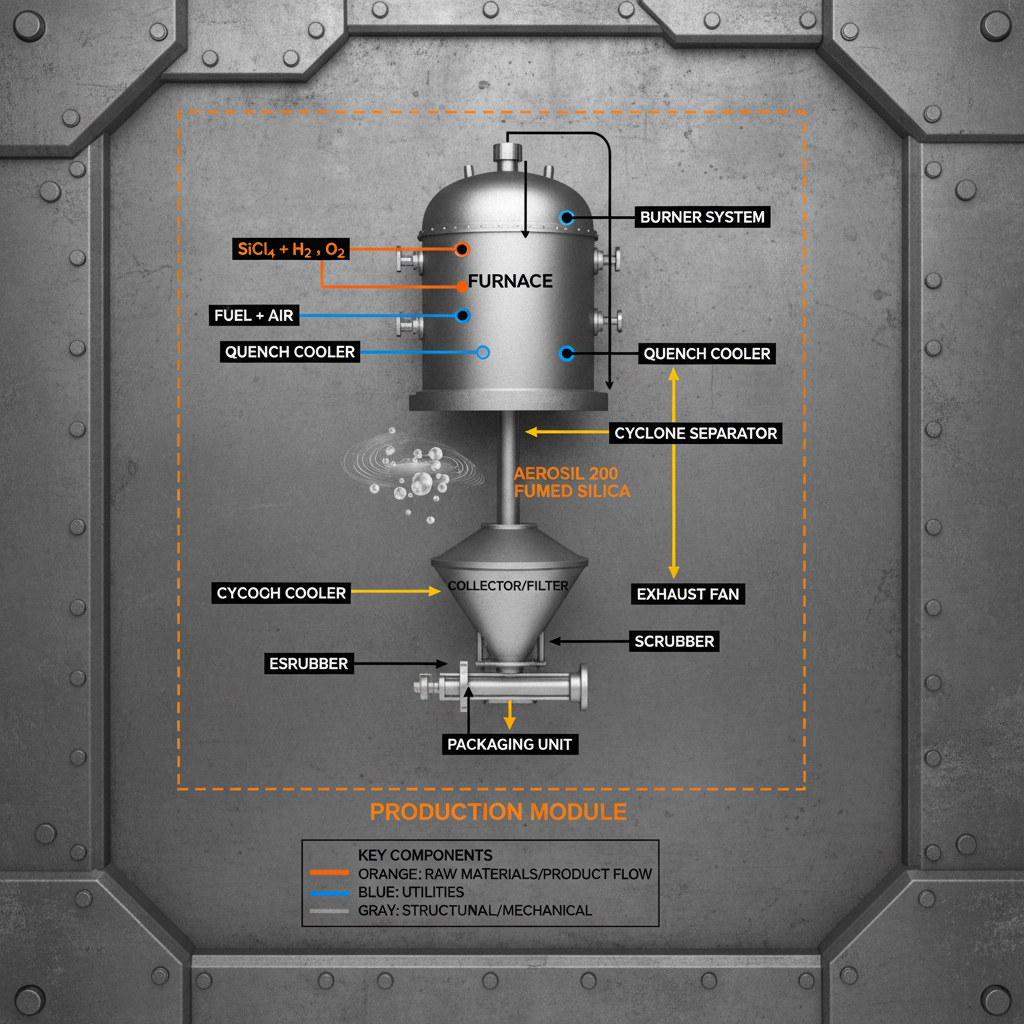
Its creation typically involves the precipitation of silica from sodium silicate solutions, followed by careful washing and drying to control the water content and particle size distribution. The manufacturing process is critical in achieving the desired purity and characteristics for specific end-uses.
This material's connection to modern industry stems from its ability to enhance product performance and address specific formulation challenges. Its versatility allows for tailored solutions in a multitude of sectors, driving continuous innovation and demand across the globe.
Key Factors Influencing Hydrated Silicon Dioxide Performance
Several key factors determine the suitability of hydrated silicon dioxide for a given application. Particle size is paramount; finer particles offer increased surface area and improved dispersion, while coarser particles provide better bulk properties.
The degree of hydration affects its density and handling characteristics. Higher water content can improve dispersibility but may compromise mechanical strength. Surface area, measured in m²/g, directly impacts its adsorption capacity and reactivity.
Hydrated Silicon Dioxide Performance Metrics
Hydrated Silicon Dioxide: Diverse Global Applications
The applications of hydrated silicon dioxide are incredibly broad. In the paint and coatings industry, it acts as a matting agent, improving scrub resistance and preventing settling of pigments. In the rubber industry, it enhances reinforcement and tear strength.
Food and pharmaceutical applications leverage its anti-caking properties and ability to act as a carrier for active ingredients. It’s found in powdered foods, tablets, and capsules, ensuring flowability and preventing clumping. In post-disaster relief operations, it is incorporated into emergency food supplies to extend shelf life.
Advantages and Long-Term Value of Utilizing Hydrated Silicon Dioxide
The benefits of using hydrated silicon dioxide extend beyond immediate performance enhancements. Cost-effectiveness is a significant advantage, as it's often a more economical alternative to other specialty additives. Its sustainability profile is also compelling, being derived from readily available silica sources.
From a social impact perspective, its non-toxicity and safety profile contribute to improved worker safety and reduced environmental risks. Long-term reliability is assured through its chemical stability and resistance to degradation, guaranteeing consistent product quality and reducing the need for frequent replacements.
Future Trends and Innovations in Hydrated Silicon Dioxide Technology
Ongoing research focuses on developing modified hydrated silicon dioxide with enhanced functionality. Surface treatments with organic compounds can improve its compatibility with specific polymers and enhance dispersion. Nanoparticle-sized hydrated silicon dioxide is gaining traction for applications requiring ultra-high surface area and reactivity.
The integration of digital transformation and automation in manufacturing processes will lead to more precise control over particle size and morphology, unlocking new possibilities for customized formulations. Furthermore, advancements in green chemistry are driving the development of more sustainable production methods.
Innovations in battery technology are exploring the use of hydrated silicon dioxide as a component in solid-state electrolytes, offering potential improvements in energy density and safety.
FAQS
The particle size range typically falls between 5-20 micrometers for paint applications. This range provides a good balance between matting effect, pigment suspension, and ease of incorporation. Finer particles (20µm) improve scrub resistance. The specific size is determined by the desired end-product characteristics.
Hydrated silicon dioxide generally offers better performance characteristics than calcium carbonate in plastics, particularly in terms of reinforcement and thermal stability. While calcium carbonate is less expensive, hydrated silicon dioxide provides higher tensile strength, improved resistance to abrasion, and lower moisture absorption. This makes it a superior choice for demanding applications requiring durability.
Yes, hydrated silicon dioxide is generally recognized as safe (GRAS) by regulatory bodies such as the FDA for use in food products. It functions primarily as an anti-caking agent and flow aid. However, it's essential to use food-grade hydrated silicon dioxide that meets purity standards and is manufactured under controlled conditions to ensure its safety.
The moisture content of commercial hydrated silicon dioxide varies depending on the manufacturing process and grade, but it typically ranges from 8% to 15%. This water content is structurally bound within the silica matrix and contributes to its properties. It's important to consider the moisture content when formulating with hydrated silicon dioxide to ensure proper dispersion and reactivity.
Yes, hydrated silicon dioxide's high surface area and inertness make it an excellent carrier for pesticides and herbicides. It allows for uniform distribution of the active ingredient and provides controlled release, enhancing efficacy and reducing environmental impact. However, regulatory compliance is crucial when using it for such applications.
While hydrated silicon dioxide itself is environmentally benign, its manufacturing process can have environmental impacts. Key considerations include energy consumption, wastewater treatment, and emissions. Sustainable manufacturing practices, such as using renewable energy sources and implementing closed-loop water systems, can minimize these impacts.
Conclusion
Hydrated silicon dioxide stands as a remarkably versatile material with a crucial role across numerous industries. Its unique combination of properties – including high purity, large surface area, and chemical stability – makes it an indispensable component in applications ranging from paints and coatings to food and pharmaceuticals. Understanding these characteristics, and their influence on performance, is key to unlocking its full potential.
Looking ahead, ongoing innovation and a growing emphasis on sustainability will continue to drive demand for hydrated silicon dioxide. Further research into modified forms and optimized manufacturing processes promises even greater functionality and environmental responsibility. For reliable sourcing and expert insights, visit our website: hydrated silicon dioxide.