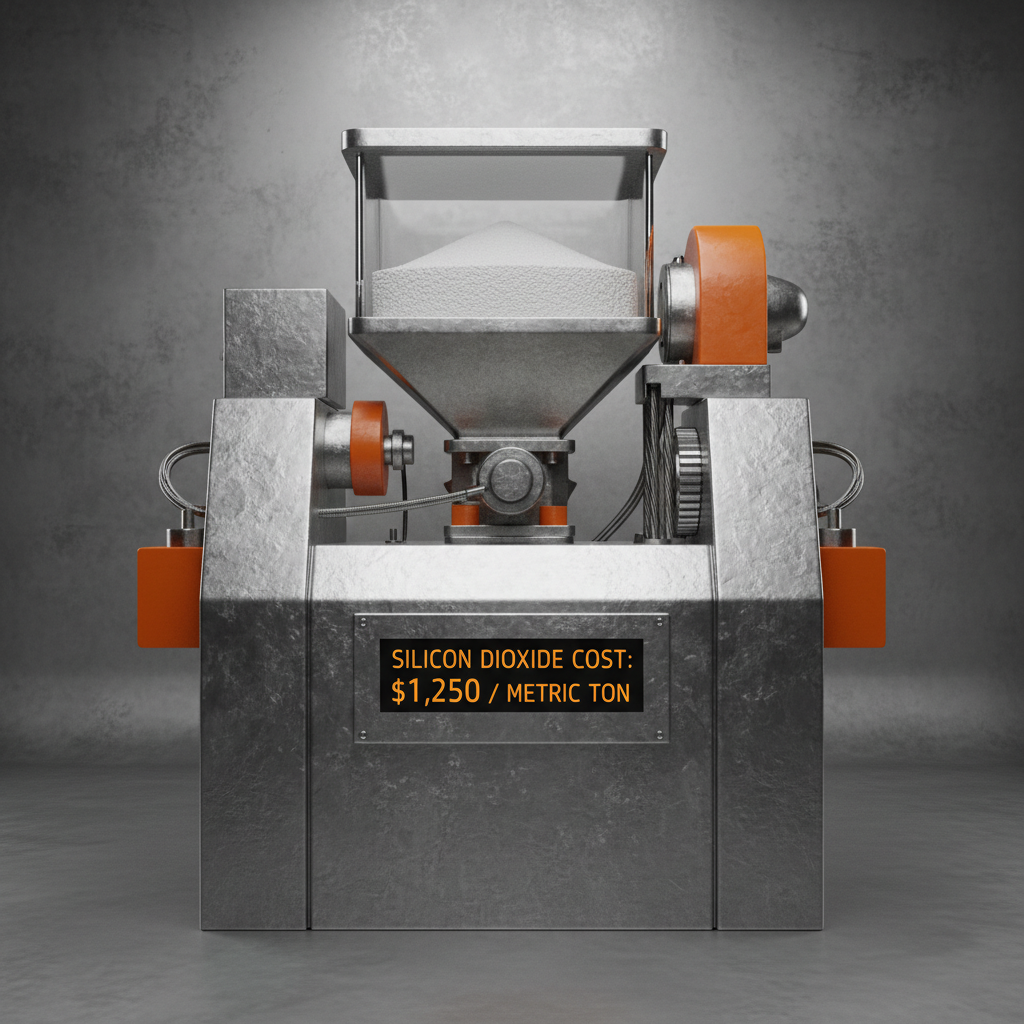
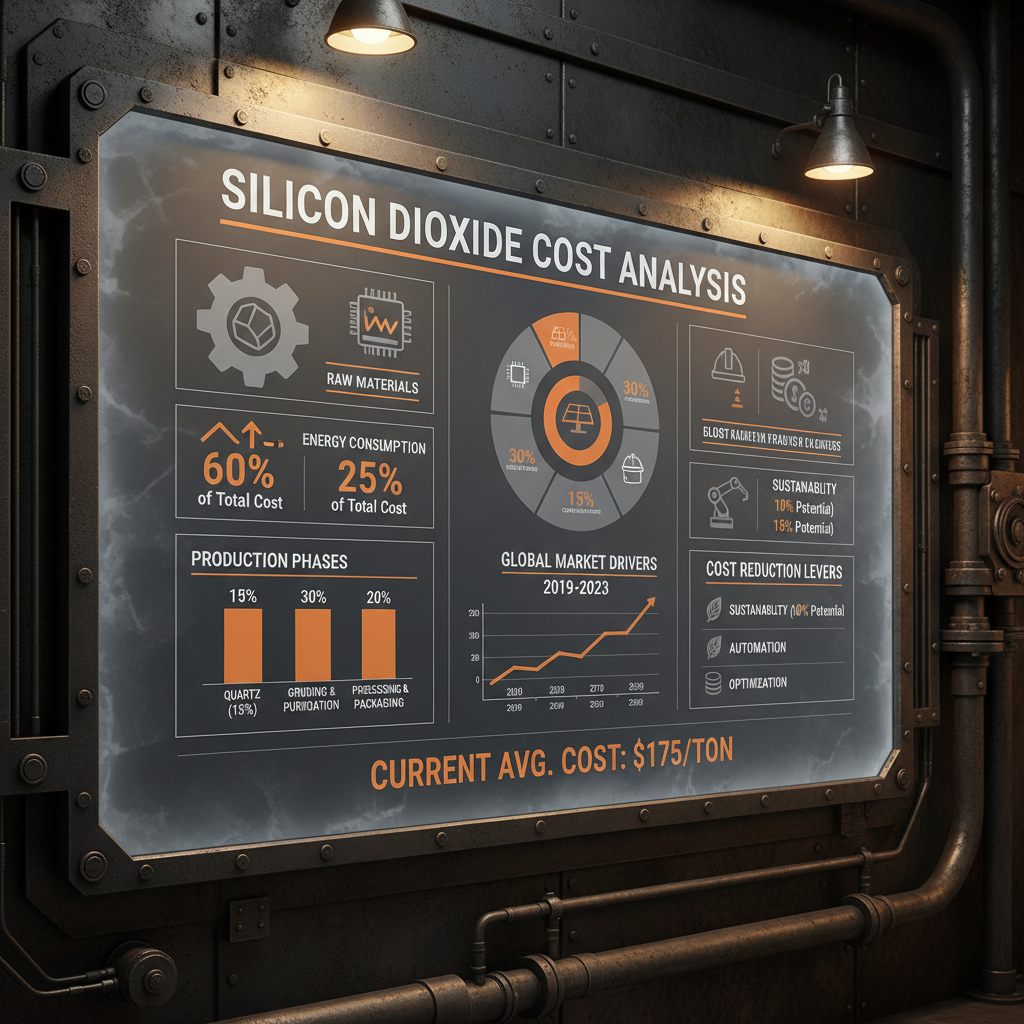
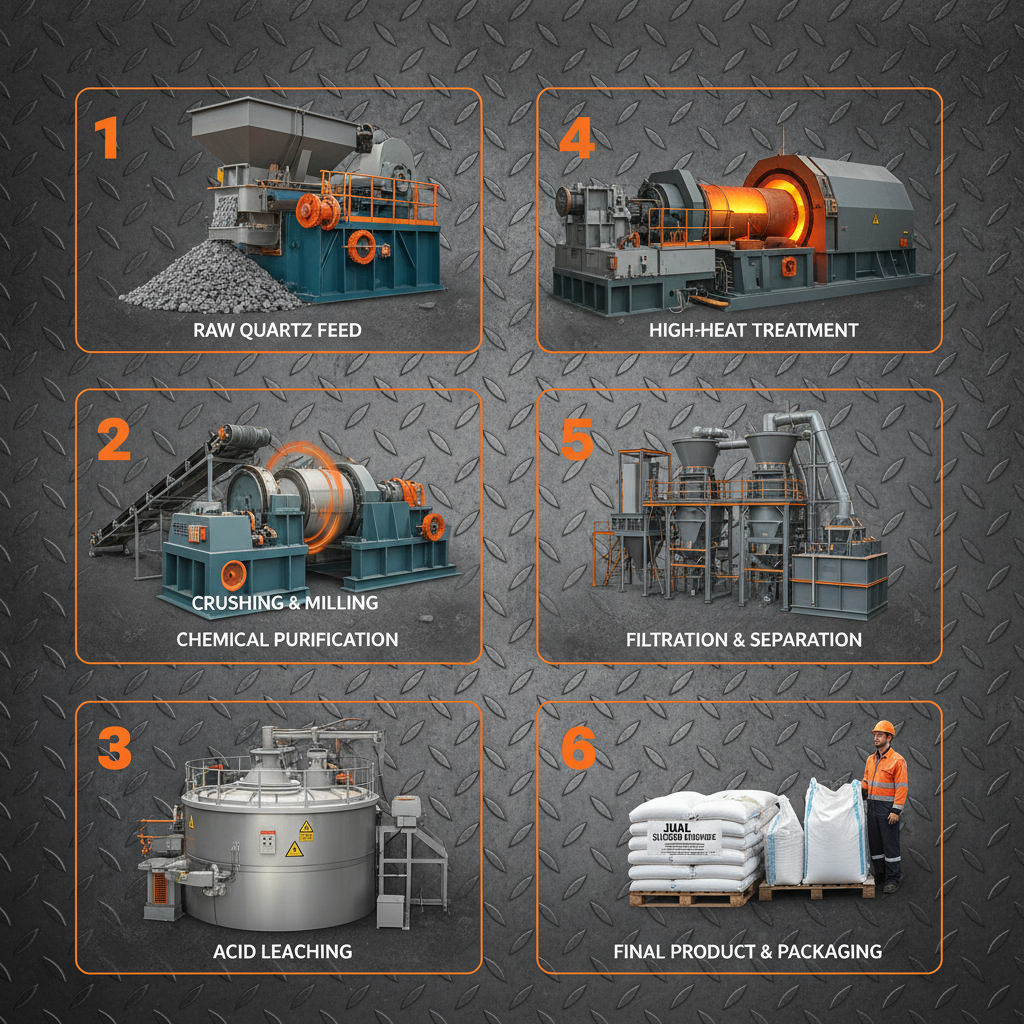
Silicon dioxide cost, a critical factor across diverse industries, directly impacts production budgets, material selection, and overall project viability. Understanding the nuances of this cost, influenced by purity levels, sourcing locations, and market demands, is essential for informed decision-making. This understanding empowers businesses to optimize resource allocation, enhance profitability, and maintain competitive advantage in a global marketplace.
The global relevance of silicon dioxide cost extends from high-tech manufacturing—where ultra-pure silica is vital for semiconductors—to everyday applications like glass production and food processing. Fluctuations in the cost of silicon dioxide can trigger ripple effects throughout supply chains, potentially affecting consumer prices and economic stability. Recent geopolitical events and increasing demand are putting pressure on supply, highlighting the importance of strategic sourcing and cost management.
Efficiently managing silicon dioxide cost isn't merely about finding the cheapest supplier. It encompasses factors like quality control, transportation expenses, long-term supply security, and potential environmental impacts. By embracing a holistic approach, organizations can mitigate risks, ensure product reliability, and contribute to a more sustainable future.
The Significance of Silicon Dioxide Cost
The importance of tracking and managing silicon dioxide cost stems from its pervasive use as a base material in countless applications. A seemingly small change in the price of silicon dioxide can have cascading effects, influencing the final cost of products ranging from semiconductors to construction materials. This makes it a critical metric for businesses to monitor closely.
Beyond direct material costs, variations in silicon dioxide cost can also impact logistical expenses, storage needs, and even product development timelines. Companies that proactively analyze these factors and implement effective cost control strategies gain a significant competitive advantage in increasingly demanding markets.
Global Market Dynamics of Silicon Dioxide Cost
The global silicon dioxide market is characterized by a complex interplay of supply, demand, and geopolitical factors. Major producing regions include China, the United States, and Europe, each with varying production costs and quality standards. Fluctuations in energy prices, environmental regulations, and transportation costs can all significantly impact the overall silicon dioxide cost.
Demand for silicon dioxide is driven by growth in industries like electronics, construction, food and beverage, and pharmaceuticals. Emerging economies, particularly in Asia, are experiencing rapid industrialization, leading to increased demand and upward pressure on prices. Keeping abreast of these market dynamics is essential for effective cost forecasting and procurement planning.
International trade policies and tariffs also play a crucial role in shaping the silicon dioxide cost landscape. Changes in import/export regulations can disrupt supply chains and lead to price volatility. Monitoring these developments allows businesses to adapt their sourcing strategies and mitigate potential risks.
Defining Silicon Dioxide Cost
Silicon dioxide cost isn't simply the price per ton of raw material. It’s a comprehensive calculation encompassing several factors, including the purity level of the silica (fumed silica, colloidal silica, quartz, etc.), the manufacturing process, shipping and handling expenses, and any applicable taxes or duties. The specific requirements of the end application heavily influence which grade of silica is needed and, consequently, the cost.
Understanding the difference between cost, price, and value is critical. Price is what you pay, cost is what the supplier charges, and value reflects the benefit received relative to the price paid. When assessing silicon dioxide cost, consider the long-term performance, reliability, and impact on the final product's quality, not just the initial price tag.
Ultimately, defining silicon dioxide cost requires a detailed analysis of the entire supply chain, from raw material extraction to final delivery. This holistic approach enables businesses to identify potential cost savings and optimize their procurement processes.
Key Factors Influencing Silicon Dioxide Cost
Several key factors directly affect silicon dioxide cost. Purity level is paramount; higher-purity silica, demanded by semiconductor and pharmaceutical industries, commands significantly higher prices. The sourcing location also impacts cost, factoring in transportation, labor, and regional economic conditions.
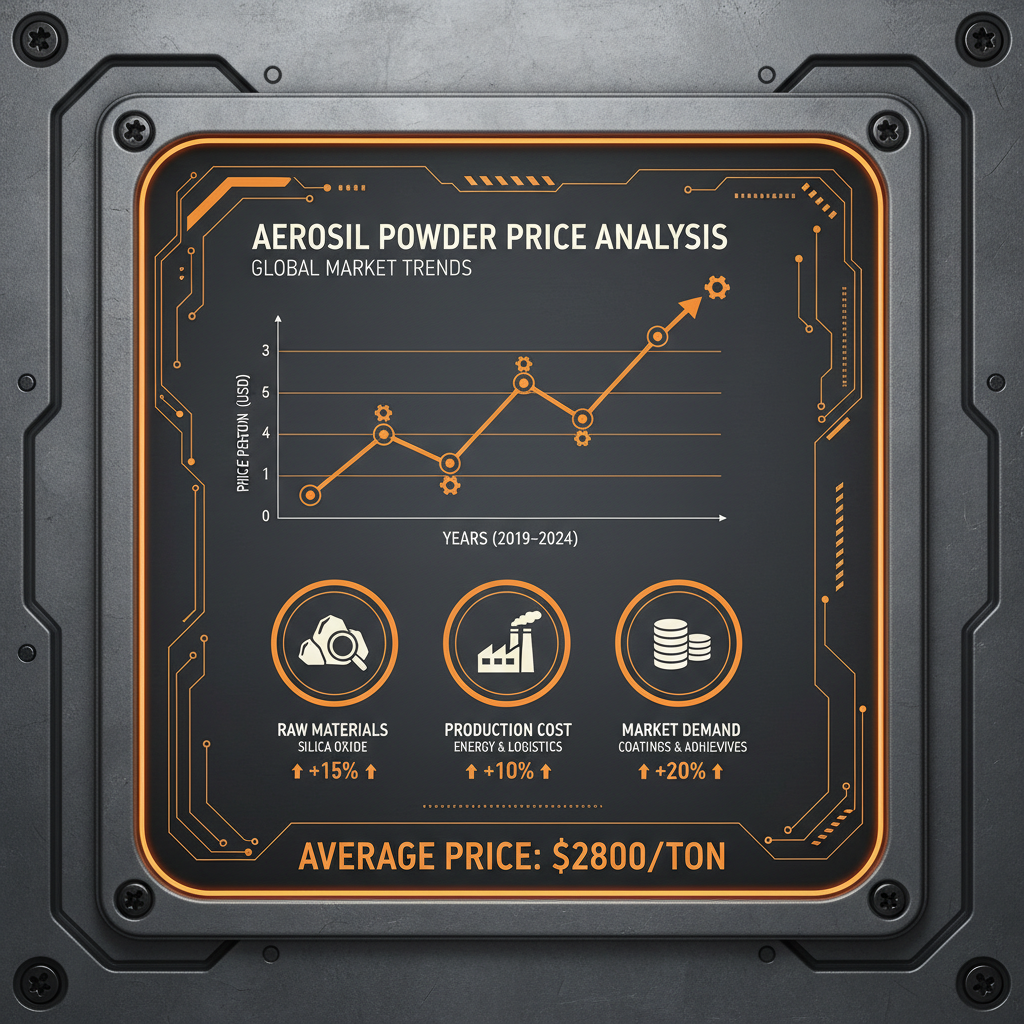
Manufacturing processes also contribute substantially. Fumed silica, produced via flame hydrolysis, tends to be more expensive than precipitated silica, manufactured through chemical reactions. Market demand, geopolitical stability in producing regions, and environmental regulations further influence price fluctuations.
Silicon Dioxide Cost Breakdown by Manufacturing Method
Applications and Industry Impact of Silicon Dioxide Cost
Silicon dioxide's wide range of applications makes its cost a significant consideration across numerous industries. In the semiconductor industry, high-purity silicon dioxide is essential for creating insulating layers in microchips, impacting the cost of electronic devices. The glass manufacturing industry relies heavily on silica sand, making its price a key determinant of window and container glass costs.
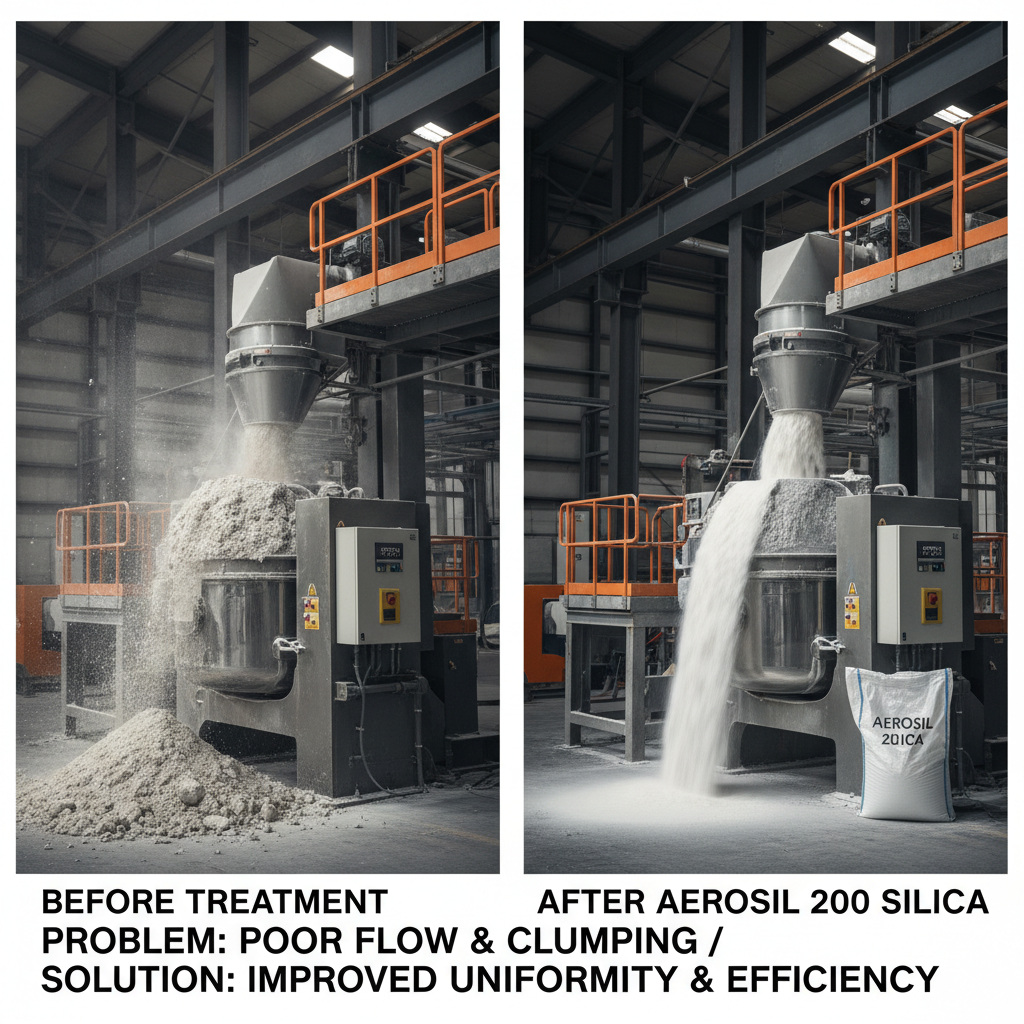
The food and beverage industry utilizes silicon dioxide as an anti-caking agent and clarifying agent, influencing the cost of processed foods and beverages. In pharmaceuticals, it acts as an excipient, affecting drug production expenses. Even in construction, silica is a primary component of concrete and cement, impacting building material costs.
Advantages of Optimized Silicon Dioxide Cost Management
Optimizing silicon dioxide cost management offers tangible benefits, including reduced production expenses, improved profitability, and enhanced competitive positioning. Strategic sourcing, long-term contracts, and demand forecasting can shield businesses from price volatility and ensure a stable supply.
Beyond cost savings, effective management promotes sustainability by encouraging responsible sourcing practices and minimizing waste. Furthermore, it fosters innovation by incentivizing the exploration of alternative materials and process improvements, ultimately driving long-term value.
Future Trends and Cost Mitigation Strategies
Future trends impacting silicon dioxide cost include growing demand for high-purity materials driven by the semiconductor industry, increasing environmental regulations related to silica mining, and advancements in alternative silica production technologies. Geopolitical uncertainties will likely continue to introduce volatility.
Mitigation strategies include diversifying sourcing options, investing in advanced supply chain analytics, and exploring collaborative partnerships with suppliers. Developing closed-loop recycling systems for silica waste and investing in research into alternative, sustainable materials are also crucial steps.
The integration of digital technologies, such as AI-powered demand forecasting and blockchain-based supply chain tracking, can further enhance cost control and transparency. Embracing these innovations will be essential for navigating the evolving silicon dioxide landscape.
A Comparative Analysis of Silicon Dioxide Cost Mitigation Techniques
| Mitigation Technique |
Implementation Difficulty (1-10) |
Potential Cost Savings (%) |
Long-Term Sustainability Impact |
| Strategic Sourcing |
6 |
5-10 |
Medium |
| Long-Term Contracts |
4 |
3-7 |
Low |
| Demand Forecasting (AI) |
8 |
8-15 |
Medium |
| Silica Waste Recycling |
7 |
10-20 |
High |
| Alternative Material Research |
9 |
15-30 |
High |
| Blockchain Supply Chain Tracking |
10 |
5-12 |
Medium |
FAQS
Several factors contribute to silicon dioxide cost volatility. Energy prices, particularly for electricity used in production, are a major driver. Transportation costs, influenced by fuel prices and geopolitical events, also play a significant role. Changes in environmental regulations, affecting mining and processing practices, can increase production costs and impact supply. Finally, overall market demand in key industries like semiconductors and glass manufacturing exerts a strong influence on price.
Proactive risk mitigation involves diversifying sourcing options, establishing long-term contracts with suppliers, and implementing robust demand forecasting strategies. Utilizing hedging instruments and exploring alternative materials can also provide a buffer against price spikes. Investing in supply chain analytics and building strong relationships with suppliers are crucial for maintaining transparency and adaptability.
Quartz sand, a naturally occurring form of silicon dioxide, is considerably less expensive than fumed silica due to its abundance and simpler extraction process. Fumed silica, created through a high-temperature flame hydrolysis process, boasts significantly higher purity and unique properties, making it suitable for specialized applications in semiconductors, pharmaceuticals, and advanced materials. This added value translates to a substantially higher cost.
Purity level is a primary determinant of silicon dioxide cost. Higher purity levels demand more sophisticated and energy-intensive purification processes, leading to increased production costs. Industries requiring ultra-pure silica, such as semiconductor manufacturing, are willing to pay a premium for materials that meet their stringent specifications. The cost escalates exponentially with increasing purity.
Sustainability is becoming increasingly important in silicon dioxide cost considerations. Environmentally responsible sourcing, waste reduction, and closed-loop recycling practices can reduce long-term costs and enhance a company's reputation. Suppliers adhering to sustainable practices may command slightly higher prices, but often offer greater supply chain resilience and reduced environmental risk.
Several emerging technologies hold promise for reducing silicon dioxide production costs. These include novel purification techniques, advanced mining methods that minimize environmental impact, and research into alternative silica sources. Furthermore, advancements in artificial intelligence and machine learning are being applied to optimize production processes and improve resource efficiency.
Conclusion
In conclusion, understanding silicon dioxide cost is critical for success across a wide range of industries. From manufacturing processes to material selection, this seemingly simple element plays a pivotal role in profitability, sustainability, and innovation. Successfully managing these costs requires a holistic approach, encompassing strategic sourcing, demand forecasting, and a commitment to sustainable practices.
Looking ahead, embracing digital technologies and investing in research into alternative materials will be essential for navigating the evolving landscape of silicon dioxide supply and demand. By prioritizing proactive cost management and sustainable sourcing, businesses can secure a competitive advantage and contribute to a more resilient and responsible future. Visit our website at silicon dioxide cost to learn more about optimizing your silicon dioxide procurement strategy.