dioxide silicium, or silica, isn’t some lab creation; it’s the backbone of the world around us. From the sand under our feet to the glass in our windows, it’s fundamental. But understanding its applications, especially in modern construction and material science, is what separates a solid build from one that’s prone to problems down the line. I've spent years on-site, wrestling with concrete mixes, and you quickly learn how crucial the quality and properties of silica are. It’s not just about getting the right ingredients, it's about understanding how those ingredients work together, and silica is often the key.
What's really driving the demand for a deeper understanding of dioxide silicium isn’t just new construction, it’s the push for more durable, sustainable, and specialized materials. We're seeing a lot of focus on high-performance concrete, geopolymers, and even advanced composites, and silica – in its various forms – is at the heart of all of them. It's a constant balancing act, ensuring we’re leveraging silica’s strengths without running into issues like alkali-silica reaction (ASR), which can seriously compromise a structure’s integrity.
Honestly, it comes down to getting it right from the start. Spending a little more time sourcing quality silica and understanding its behavior can save huge headaches – and huge costs – later on. I’ve seen projects delayed for months because of silica-related issues, and it’s preventable. We need to move beyond just specifying “silica” and start specifying which silica, and how it will be used.
The Significance of dioxide silicium in Modern Materials
dioxide silicium isn’t just a component; it’s a fundamental building block. In concrete, it acts as the pozzolanic material, reacting with calcium hydroxide to form additional cementitious compounds, increasing strength and durability. But it goes way beyond concrete. Think of glass, ceramics, even advanced materials like silicon wafers for electronics – all rely on the unique properties of this compound. We're constantly pushing the boundaries of what's possible with materials, and silica is consistently at the forefront.
From a practical standpoint, what I've seen on sites is a growing need for materials that can withstand harsh conditions. Whether it’s extreme temperatures, corrosive environments, or heavy loads, the performance of the silica component directly impacts the longevity and safety of the structure. It’s not just about meeting code; it's about building things that last.
Understanding the Chemistry of dioxide silicium
At its core, dioxide silicium is a relatively simple molecule – SiO2. But that simplicity belies a complex chemistry. Different crystalline forms, like quartz, cristobalite, and tridymite, exhibit different properties. Then you get into amorphous silica, like silica fume, which is a byproduct of silicon metal production and incredibly valuable in concrete. Knowing the difference isn't just academic; it impacts reactivity, particle size, and ultimately, the performance of the material.
The reactivity of silica is heavily influenced by its surface area. Smaller particle sizes mean more surface area, leading to faster reactions and increased strength development. That’s why silica fume is so effective – it has an incredibly high surface area. However, that increased reactivity also means a greater potential for issues like ASR if not properly mitigated.
The way silica interacts with alkali metals in the cement paste is critical. Alkali-silica reaction occurs when the alkali in the cement reacts with the silica in the aggregate, forming a gel that expands and causes cracking. Understanding the chemistry allows us to select appropriate aggregates, use supplementary cementitious materials (SCMs) like fly ash or slag, or employ lithium-based admixtures to control the reaction.
Forms and Processing of dioxide silicium
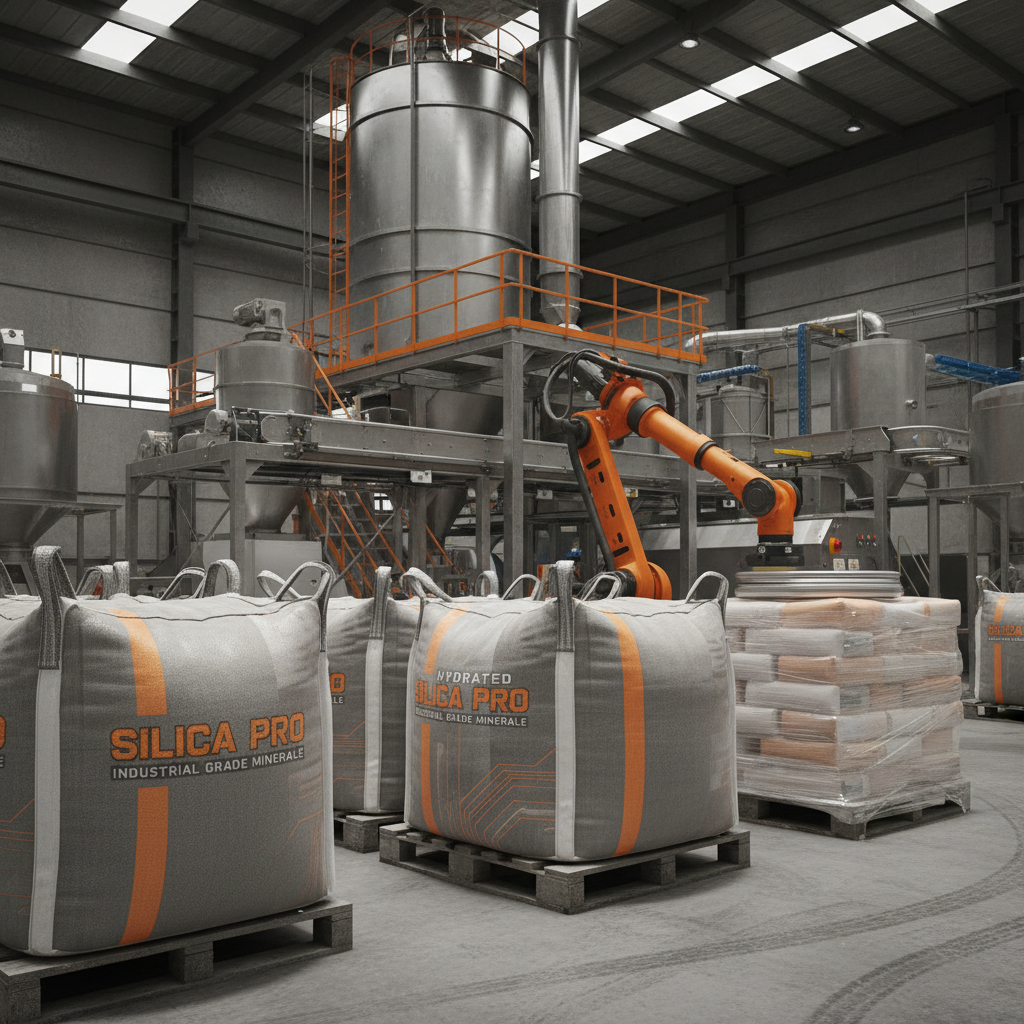
Silica comes in a lot of forms. You have naturally occurring silica in sand and gravel, which are used as aggregates in concrete. Then there’s manufactured silica, like silica fume, which is a refined byproduct. We also have synthetic amorphous silica, created through chemical processes, offering very specific properties. I’ve spent countless hours sifting through aggregate piles, feeling the texture and looking for consistency - knowing your source is key.
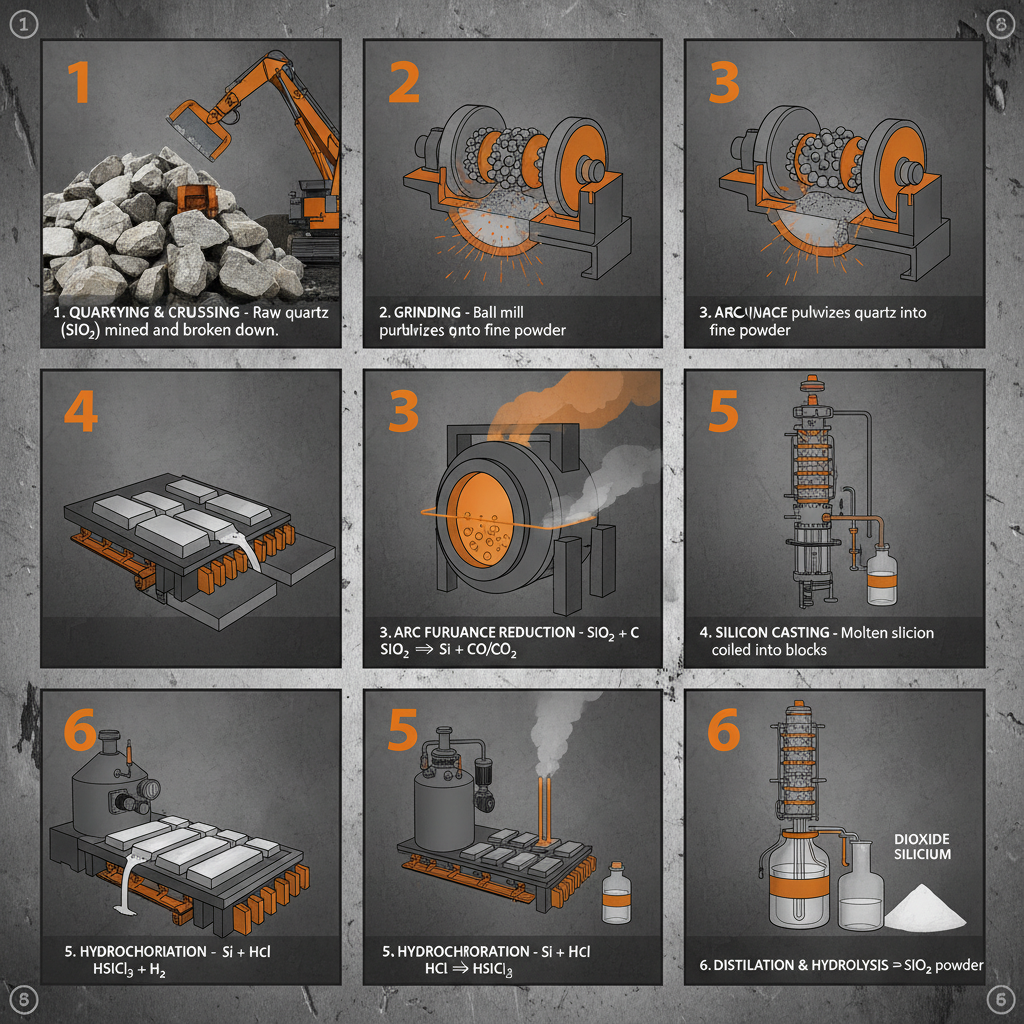
The processing of silica impacts its performance significantly. Grinding and milling determine particle size distribution, while calcination and chemical treatments can alter its reactivity. For example, calcined clays are often used as pozzolans, and their reactivity is controlled by the calcination temperature. The key is understanding the processing methods and how they affect the final product's characteristics.
Quality control during processing is paramount. We need consistent particle size, purity, and reactivity to ensure predictable performance in our mixes. That's where reliable suppliers and thorough testing come into play. I’ve walked away from projects when the silica just didn’t meet spec, and it’s always the right call.
Key Performance Indicators of dioxide silicium in Construction
When evaluating silica for construction, there are a few key metrics we focus on. Particle size distribution is huge – we need a good balance for packing density and reactivity. Surface area dictates how quickly it reacts with cement, impacting early strength gain. Purity is critical; contaminants can interfere with hydration and reduce performance.
We also look at the silica’s reactivity, measured through pozzolanic activity tests. These tests simulate the reaction with calcium hydroxide and assess the amount of cementitious compound formed. Then there's the resistance to ASR, which is tested using accelerated methods to identify potentially reactive aggregates.
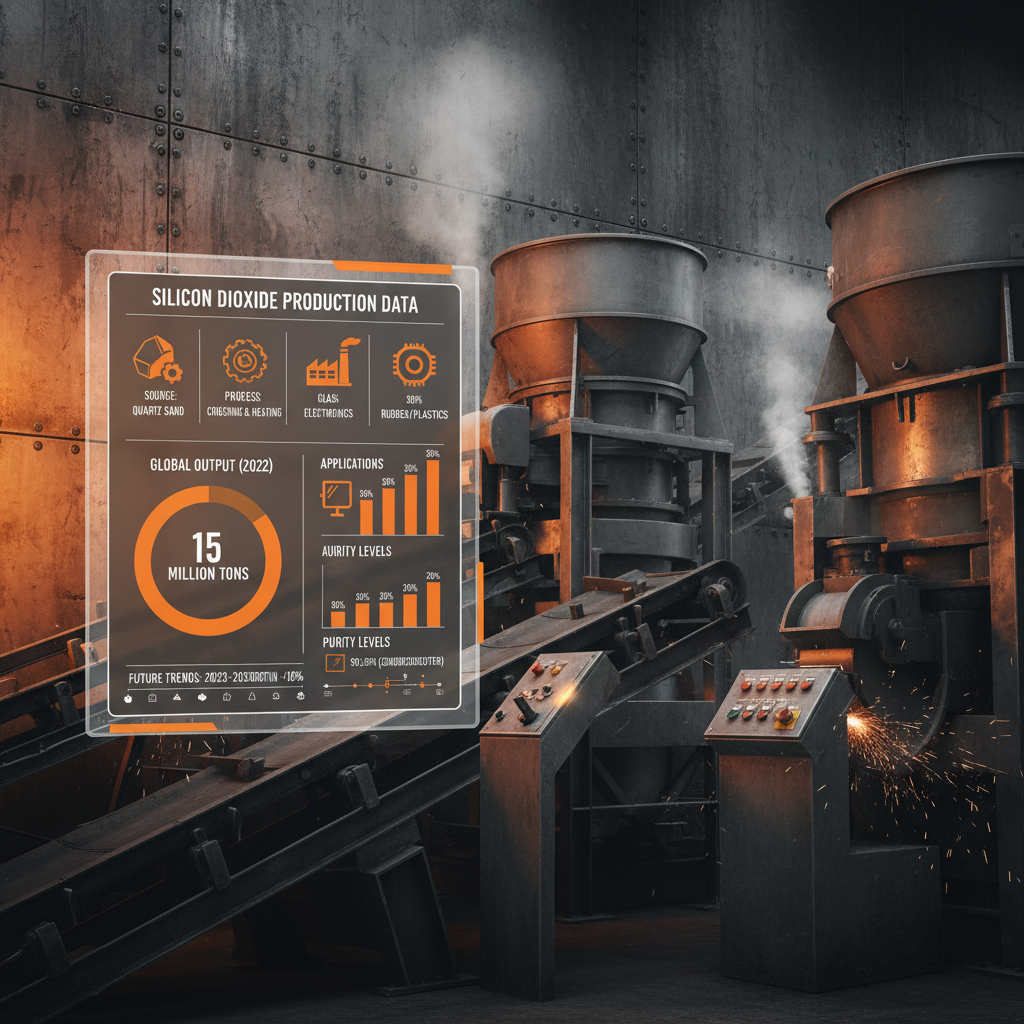
dioxide silicium Performance Indicators
Global Applications of dioxide silicium
You’ll find silica being used extensively in infrastructure projects worldwide. In Europe, it’s a key component in high-performance concrete for bridges and tunnels. In Asia, particularly China and India, the demand for silica is driven by massive urbanization and construction booms. Even in remote areas, like island nations building resilient coastal defenses, silica-based materials are essential.
Beyond construction, silica is critical in the manufacturing of semiconductors, solar panels, and other advanced technologies. These industries have a global footprint, and the demand for high-purity silica is constantly increasing. We’re seeing a trend toward more localized sourcing and processing to reduce transportation costs and improve supply chain resilience.
The Long-Term Value of Optimized dioxide silicium Usage
Optimizing silica usage isn’t just about cost savings; it’s about building structures that last. Reducing the risk of ASR, increasing durability, and minimizing maintenance requirements translate to significant long-term savings. Plus, there’s the environmental benefit – more durable structures mean less frequent replacement, reducing waste and embodied carbon.
There’s also the peace of mind. Knowing you’ve used the right materials and proper techniques builds trust with clients and stakeholders. It’s a reputation thing, and in this industry, reputation is everything. A well-built structure is a testament to your expertise and commitment to quality.
The improved workability of silica-enhanced concrete also means faster construction times and reduced labor costs. While the initial material cost might be slightly higher, the overall project efficiency gains often offset that expense.
Future Trends and Challenges in dioxide silicium Technology
We're seeing a lot of research into alternative silica sources, like rice husk ash, which is a byproduct of rice production. This could offer a more sustainable and locally available alternative to traditional silica fume. There's also a growing interest in using nanotechnology to modify silica particles and enhance their performance.
One of the biggest challenges is managing the variability of natural silica sources. The composition and properties of sand and gravel can vary significantly depending on the location, making it difficult to ensure consistent quality. That’s where advanced testing and quality control procedures become essential.
The push for more sustainable construction practices is also driving innovation in silica-based materials. We're exploring ways to reduce the carbon footprint of silica production and develop more eco-friendly concrete mixes. It’s an exciting time to be in this field, and I’m confident we'll see some major breakthroughs in the years to come.
Summary of Challenges and Mitigation Strategies for dioxide silicium
| Challenge |
Impact on Project |
Mitigation Strategy |
Cost of Implementation |
| Alkali-Silica Reaction (ASR) |
Structural cracking and deterioration |
Use of SCMs, lithium admixtures, low-alkali cement |
$5 - $20 per cubic meter |
| Silica Source Variability |
Inconsistent concrete performance |
Thorough material testing and quality control |
$2 - $5 per ton |
| Silica Fume Supply Chain |
Potential disruptions and price fluctuations |
Diversify suppliers and explore alternative pozzolans |
$0 - $10 per ton (depending on sourcing) |
| Dust Exposure During Handling |
Respiratory health risks for workers |
Use of dust suppression techniques and personal protective equipment |
$1 - $3 per worker per day |
| Sustainability of Silica Extraction |
Environmental impact of mining operations |
Utilize recycled silica sources and promote responsible mining practices |
Variable, depending on source |
| Ensuring Proper Mixing |
Incomplete dispersion of silica |
Optimize mixer design and mixing procedures |
$0 - $1000 (mixer upgrades) |
FAQS
Both silica fume and fly ash are supplementary cementitious materials (SCMs) used to enhance concrete performance. Silica fume is a byproduct of silicon metal production and has a very high surface area, leading to rapid strength gain and improved durability. Fly ash, a byproduct of coal combustion, is less reactive but can improve workability and reduce heat of hydration. Generally, silica fume is preferred for high-strength concrete and marine environments, while fly ash is often used in mass concrete applications to control temperature rise.
ASR is a serious concern, but there are several mitigation strategies. The most common is to use low-alkali cement. Adding SCMs like fly ash, slag, or silica fume can also reduce ASR by binding alkali ions. Lithium-based admixtures are highly effective at suppressing ASR. Finally, choosing non-reactive aggregates is crucial, which requires thorough testing of the aggregate source.
Yes, silica fume is a very fine powder and can cause respiratory problems if inhaled. Workers should always wear appropriate personal protective equipment (PPE), including respirators, during handling. Dust suppression techniques, like wetting down the material, are also important. Proper ventilation in the mixing area is essential, and workers should be trained on the hazards and safe handling procedures.
Particle size is a critical factor. Smaller particles have a larger surface area, which increases reactivity and accelerates the hydration process. This leads to faster strength gain and improved durability. However, extremely fine particles can also make the concrete more difficult to work with. Finding the optimal particle size distribution is essential for achieving the desired performance characteristics.
Yes, researchers are exploring several sustainable alternatives. Rice husk ash is a promising option, as it's a byproduct of rice production. Other alternatives include metakaolin and ground granulated blast-furnace slag (GGBS). These materials offer similar performance benefits to silica fume while reducing the environmental impact.
Essential testing includes particle size distribution analysis, chemical composition analysis (to determine SiO2 content and impurities), and pozzolanic activity tests to assess reactivity. For aggregates, ASR potential testing is crucial. Regular quality control checks at the source and during delivery are also vital to ensure consistent performance.
Conclusion
Understanding dioxide silicium isn’t just about chemistry and materials science; it’s about building responsibly and ensuring longevity. From selecting the right source and form to mitigating potential issues like ASR, the details matter. We've come a long way in understanding how to harness the power of silica, but there's always more to learn.
Looking ahead, the key is to embrace innovation, explore sustainable alternatives, and prioritize quality control. By staying informed and adopting best practices, we can continue to build stronger, more durable, and more sustainable structures for generations to come. For more information and to explore our range of silica-based solutions, visit our website: www.hezhenshiye.com.