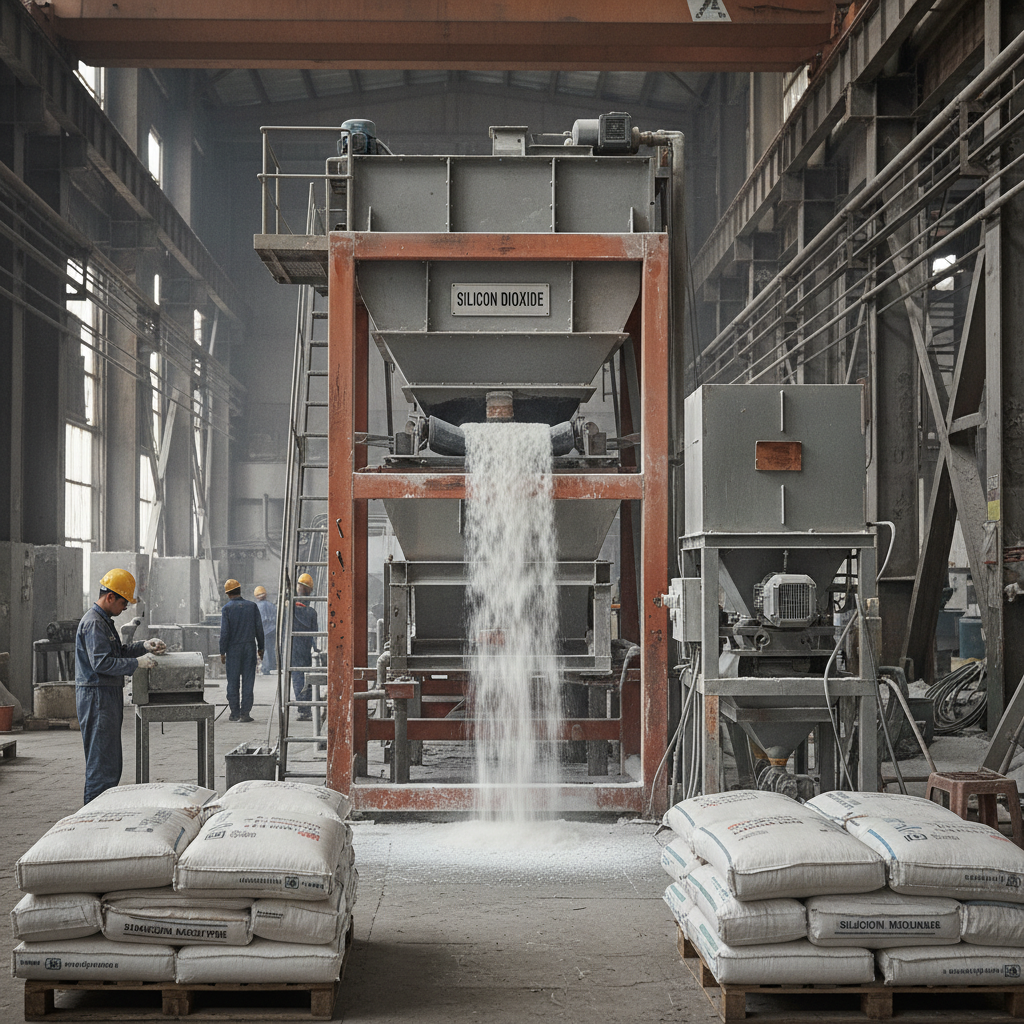
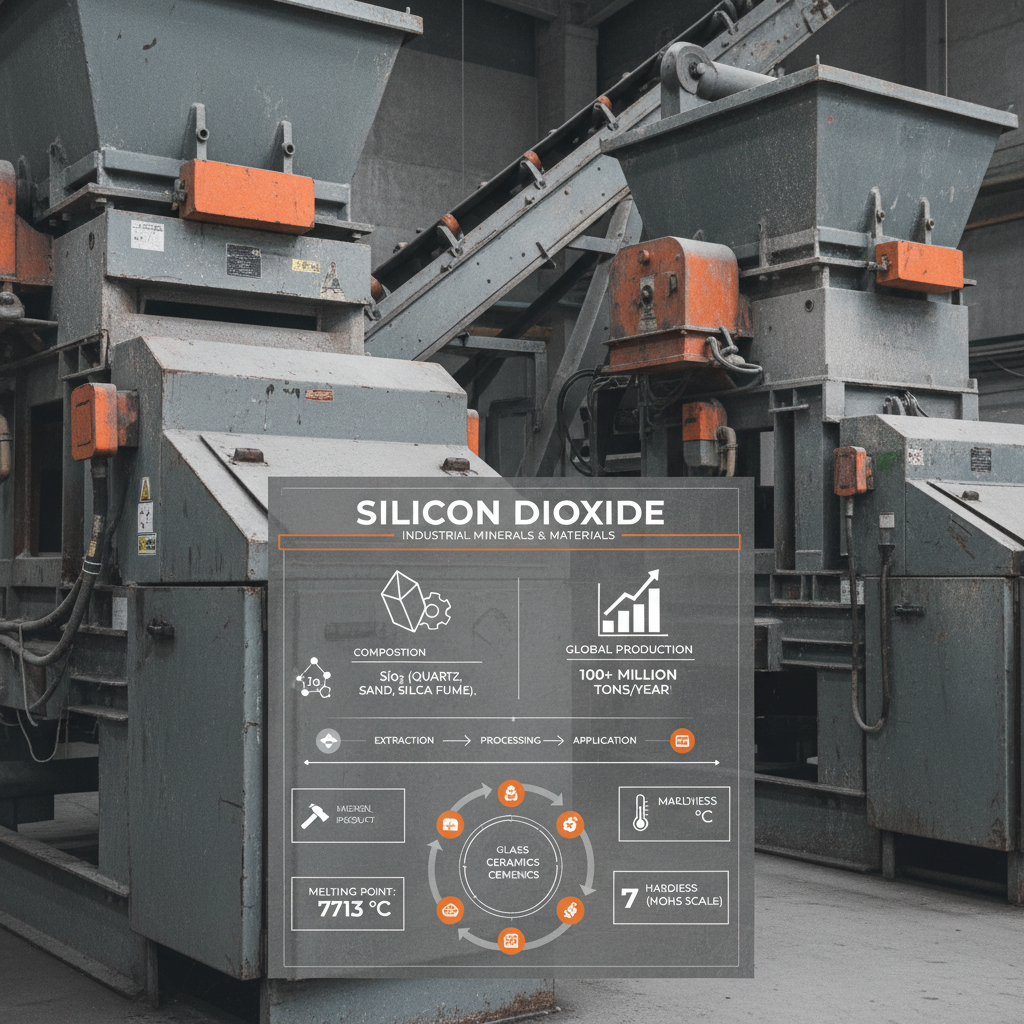
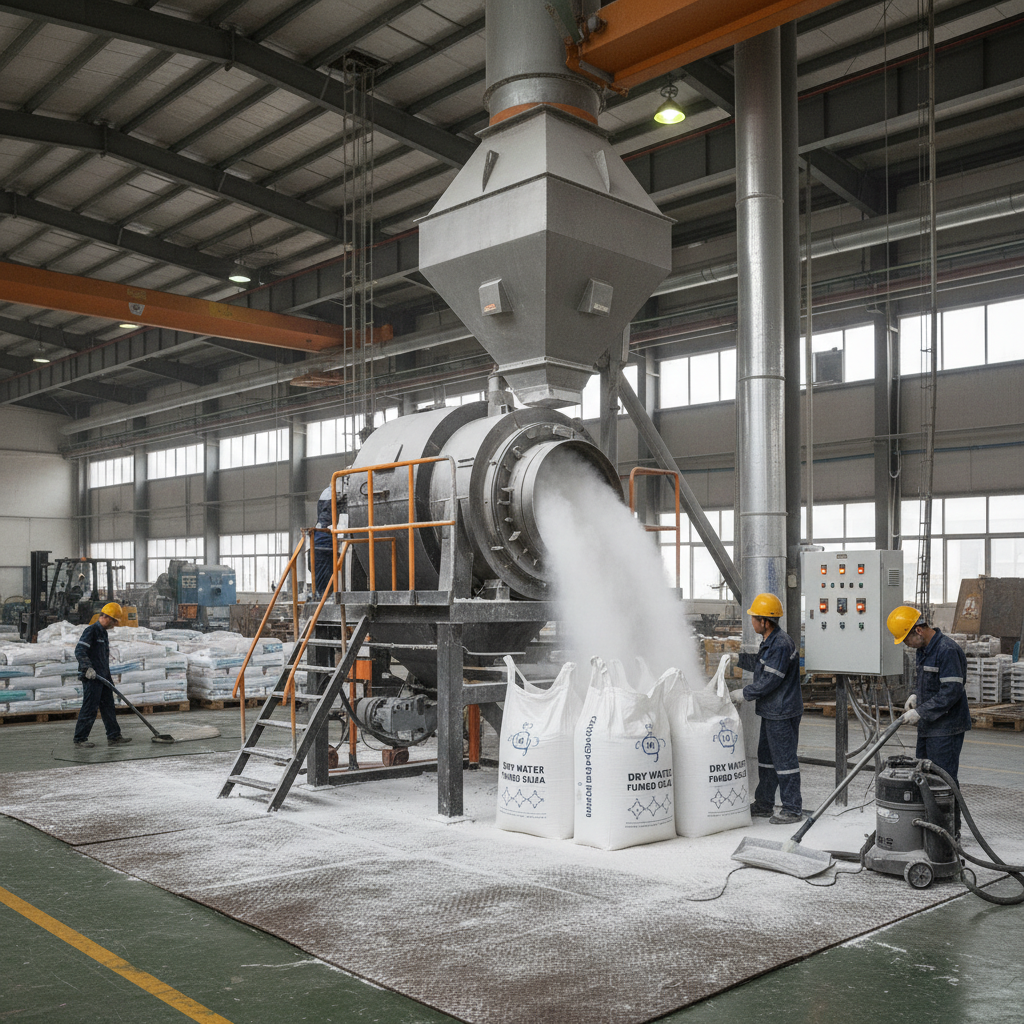
dioxide of silicon, or silica, isn’t just a chemical formula – it’s the backbone of modern life. You find it everywhere, from the glass in your windows and the concrete in our buildings, to the microchips powering our smartphones. As someone who spends their days on construction sites, wrestling with materials, and talking shop with engineers, I can tell you this stuff is critical. It’s not glamorous, but understanding its properties and applications is fundamental to building a more resilient and sustainable future. We’re talking about a substance that dictates durability, performance, and ultimately, cost.
For years, we’ve relied on traditional methods of sourcing and processing dioxide of silicon. But the demands are growing. Global construction booms, the explosion of the tech industry requiring increasingly sophisticated silicon-based components, and a growing awareness of the environmental impact of conventional production processes are forcing us to rethink how we approach this essential material. It's not simply about having enough silica; it's about having better silica, sourced and manufactured responsibly.
The challenge isn't just industrial; it's humanitarian. Rapid urbanization and the increasing frequency of natural disasters demand faster, more effective building solutions. dioxide of silicon plays a vital role in creating those solutions – in creating resilient infrastructure, affordable housing, and safe communities. It's a material that can genuinely make a difference in people's lives, and that’s what drives a lot of the innovation we're seeing in this field today.
The Fundamentals of dioxide of silicon
dioxide of silicon exists in several crystalline and amorphous forms. Quartz is the most common crystalline form, while amorphous silica is found in things like sand and diatomaceous earth. This versatility in form is key to its widespread use. The structural arrangement of the silicon and oxygen atoms directly impacts its properties – its hardness, its reactivity, and its ability to transmit light.
From a practical standpoint, that means different forms of dioxide of silicon are suited to different jobs. High-purity silica is essential for semiconductor manufacturing, requiring precise control over its crystalline structure. Conversely, the coarser, less refined forms are perfectly adequate (and far more cost-effective) for use in concrete and construction materials. It's all about matching the material to the application, and that's where a deep understanding of its fundamental properties comes into play.
Global Relevance and Industry Context
Globally, the demand for dioxide of silicon is driven by several converging factors. The construction industry, particularly in rapidly developing economies like China and India, consumes massive quantities. According to a recent UN report, global construction output is projected to reach $18 trillion by 2030, fueling a corresponding increase in demand for cement and concrete – both heavily reliant on silica. But it's not just construction.
The semiconductor industry, the engine of the digital revolution, is another major consumer. The World Semiconductor Trade Statistics (WSTS) estimates that the global semiconductor market will exceed $600 billion in 2024, and that growth is projected to continue. Every smartphone, computer, and electronic device contains silicon-based components. This creates a constant, and increasing, strain on silica resources.
The challenge is not simply increasing production, but doing so sustainably. Traditional silica mining and processing can have significant environmental impacts, including habitat destruction and water pollution. This is why there's a growing focus on developing alternative sourcing methods and more environmentally friendly production techniques, like utilizing waste streams from other industries.
Defining dioxide of silicon: A Core Building Block
dioxide of silicon (SiO2) is a chemical compound consisting of silicon and oxygen. It’s a naturally occurring substance, found abundantly in the Earth’s crust – in sand, quartz, and various other minerals. But it's far more than just a naturally occurring substance; it’s a fundamental building block of modern industry and technology.
Its connection to modern needs is profound. Think about the glass that shields us from the elements, the concrete that forms the foundations of our cities, the silicon wafers that power our computers – all rely on dioxide of silicon. The specific properties of silica – its hardness, its transparency, its electrical insulating properties – make it uniquely suited for these applications.
It’s a material that bridges the gap between the natural world and the technological world, serving as a critical component in everything from everyday consumer goods to cutting-edge scientific research. Understanding this core connection is key to appreciating its importance and driving future innovation.
Key Properties Shaping Applications
Let's talk properties. First, hardness. Silica, especially in its crystalline forms like quartz, is incredibly durable. That’s why it's used in abrasives and grinding materials – it can withstand a lot of wear and tear. Then there’s chemical inertness. Silica is resistant to most chemicals, making it ideal for applications where corrosion is a concern.
Thermal stability is another crucial property. Silica can withstand high temperatures without significant degradation, making it essential in high-heat applications like furnace linings and foundry molds. Furthermore, its optical properties – its transparency and refractive index – make it the primary component of glass and optical fibers. Finally, electrical insulation is vital for the semiconductor industry, where silica isolates electrical components.
dioxide of silicon Property Ratings
Real-World Applications Across Industries
In construction, as I mentioned, silica is a major component of cement and concrete, providing strength and durability. It's used in everything from skyscrapers to sidewalks. The glass industry is completely dependent on high-purity silica for the production of windows, bottles, and optical fibers.
The semiconductor industry, of course, is the biggest user of ultra-pure silica. Silicon wafers are the foundation of integrated circuits, the brains of our electronic devices. In the medical field, silica is used in bone grafts and dental implants due to its biocompatibility. Even in the food industry, it’s used as an anti-caking agent.
Advantages and Long-Term Value Proposition
Using dioxide of silicon offers significant advantages. Cost-effectively, it’s abundant and relatively inexpensive to source, particularly the more common forms. Sustainability is also becoming a key benefit, with research into utilizing recycled silica and reducing the environmental impact of mining operations.
But beyond cost and sustainability, there's the sheer reliability. Silica-based materials are known for their long lifespan and resistance to degradation. That translates to lower maintenance costs and greater peace of mind for builders and consumers. And, frankly, from a safety standpoint, the inherent stability of silica contributes to structurally sound buildings and durable infrastructure.
Future Trends and Innovations in dioxide of silicon
We’re seeing exciting developments in silica nanotechnology. Nanoscale silica particles are being explored for use in drug delivery systems, advanced coatings, and even as additives to improve the performance of concrete. There’s also growing interest in utilizing waste silica from industries like rice husk processing as a sustainable alternative to traditional mining.
The focus is shifting towards circular economy principles – finding ways to reuse and repurpose silica waste streams. We’re also seeing advancements in production techniques, aiming to reduce energy consumption and minimize environmental impact. The integration of AI and machine learning into silica processing is another emerging trend, promising to optimize production and improve material properties.
Finally, the development of new silica-based composites with enhanced properties – stronger, lighter, and more durable – is opening up possibilities for applications in aerospace, automotive, and other demanding industries.
Summary of dioxide of silicon Future Trends
| Trend Category |
Innovation Focus |
Potential Impact |
Current Development Stage |
| Nanotechnology |
Silica nanoparticles for drug delivery |
Enhanced drug efficacy, targeted treatment |
Laboratory research & early trials |
| Sustainability |
Utilizing waste silica from rice husks |
Reduced reliance on mining, circular economy |
Pilot projects & scaling up |
| Production Techniques |
Energy-efficient silica processing |
Lower carbon footprint, reduced costs |
Commercialization & optimization |
| Artificial Intelligence |
AI-driven process optimization |
Improved material properties, higher yields |
Initial implementation & data collection |
| Composite Materials |
Silica-reinforced polymers |
Enhanced strength, lighter weight |
Material testing & application development |
| Advanced Coatings |
Self-cleaning silica coatings |
Reduced maintenance, increased durability |
Early stage research & prototyping |
FAQS
Traditional silica mining can lead to significant habitat disruption, soil erosion, and water contamination. Dust generated during extraction poses respiratory health risks. Responsible sourcing and utilizing alternative silica sources, like recycled materials or agricultural byproducts, are crucial for mitigating these concerns. We're increasingly focused on minimizing our footprint and adopting more sustainable practices.
Purity is paramount, particularly in industries like semiconductor manufacturing. Even trace impurities can drastically impact the performance of microchips. Lower purity levels are acceptable – and often more cost-effective – for applications like concrete production, where the structural integrity is more important than absolute purity. It’s about matching the grade to the need.
Crystalline silica, like quartz, has a highly ordered structure, making it hard and durable. Amorphous silica, found in sand, lacks this structure and is generally softer and more chemically reactive. This difference in structure dictates their suitability for various applications. Crystalline is great for abrasives, while amorphous is preferred in some chemical processes.
Absolutely. We’re seeing increased interest in utilizing waste silica from industries like rice husk processing, fly ash from coal-fired power plants, and even recycled glass. These alternatives offer a more sustainable approach and can significantly reduce the environmental impact of silica sourcing. There’s a lot of potential there.
Nanoscale silica particles offer unique properties and open up new possibilities. They're being explored for targeted drug delivery, advanced coatings, and enhancing the performance of construction materials. The increased surface area of nanoparticles allows for greater reactivity and improved material properties, pushing the boundaries of what’s possible.
Prolonged exposure to respirable crystalline silica dust can cause silicosis, a serious lung disease. Proper ventilation, respiratory protection (masks), and dust control measures are essential when working with silica-containing materials. It’s a non-negotiable safety issue on any construction site.
Conclusion
dioxide of silicon is far more than just a component – it's a foundational material that underpins modern life. From the buildings we inhabit to the technology we rely on, silica is an indispensable part of our world. Understanding its properties, sourcing methods, and emerging applications is critical for addressing some of the most pressing challenges facing our society, from sustainable construction to technological advancement.
Looking ahead, the focus must be on innovation and sustainability. Developing new, environmentally friendly production techniques, utilizing recycled silica sources, and exploring the potential of nanotechnology will be key to ensuring a secure and responsible supply of this essential material for generations to come. To learn more about how we're working to advance the use of dioxide of silicon, visit our website: dioxide of silicon.