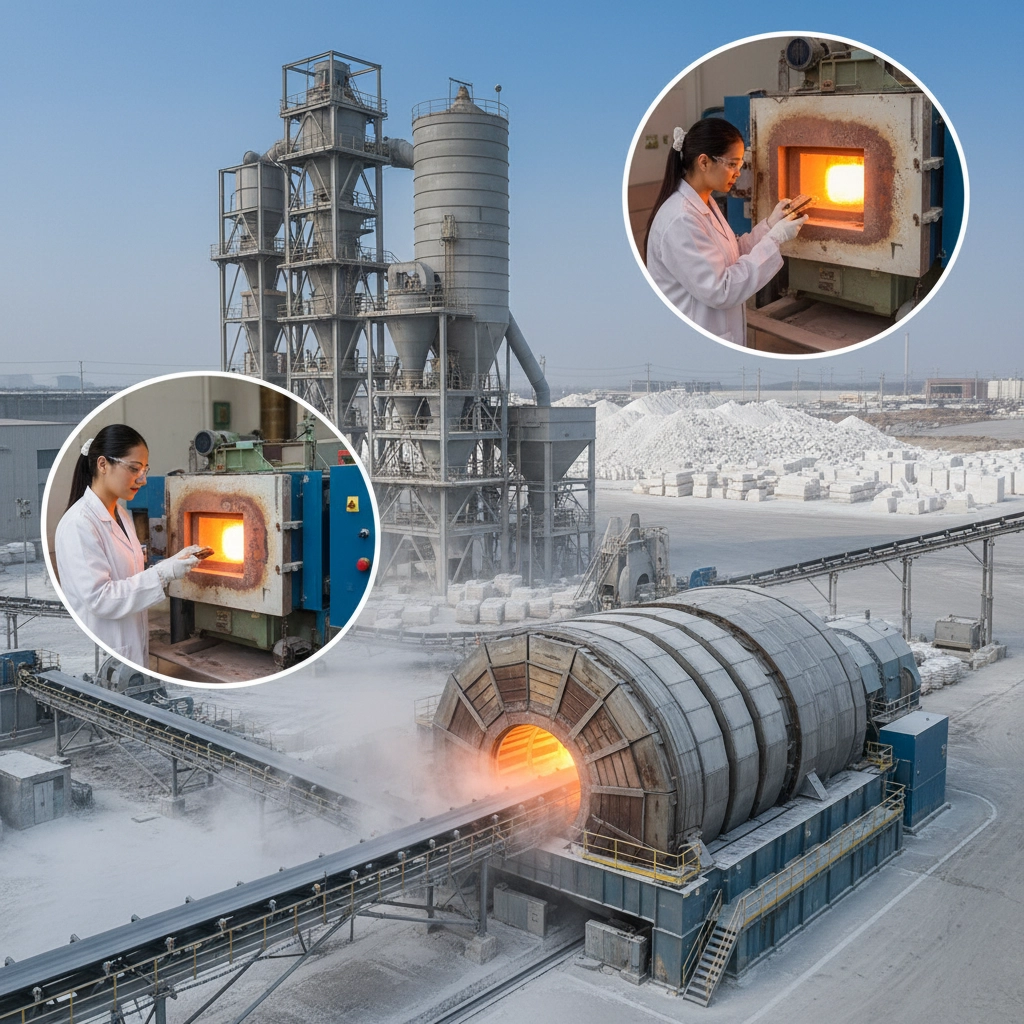
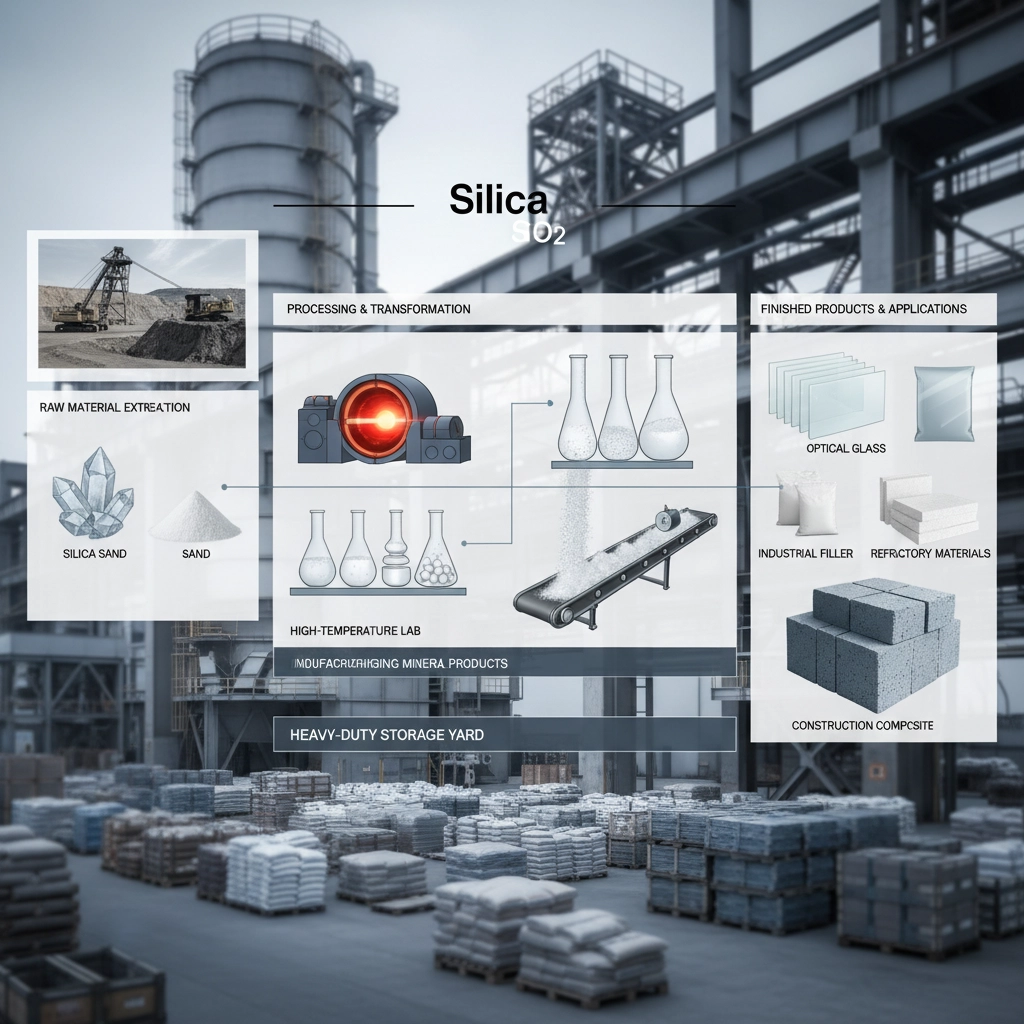
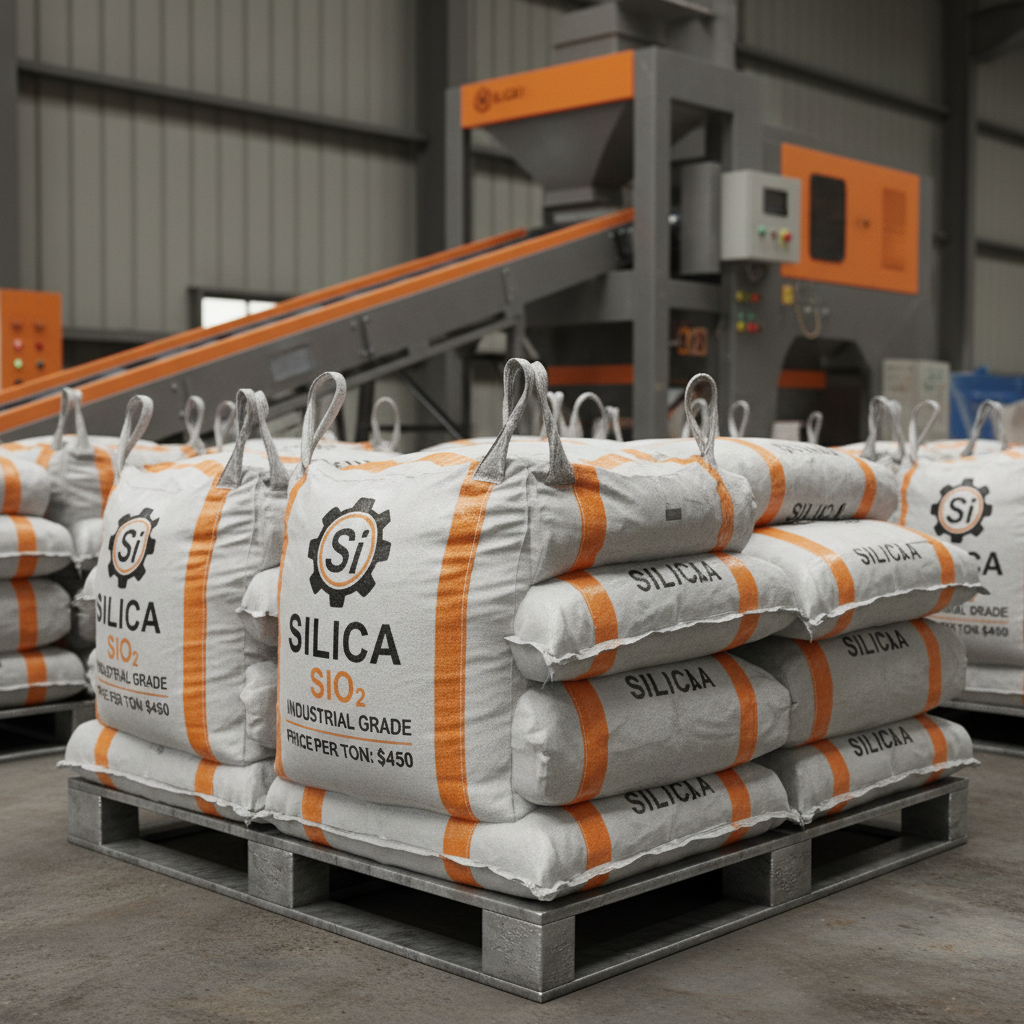
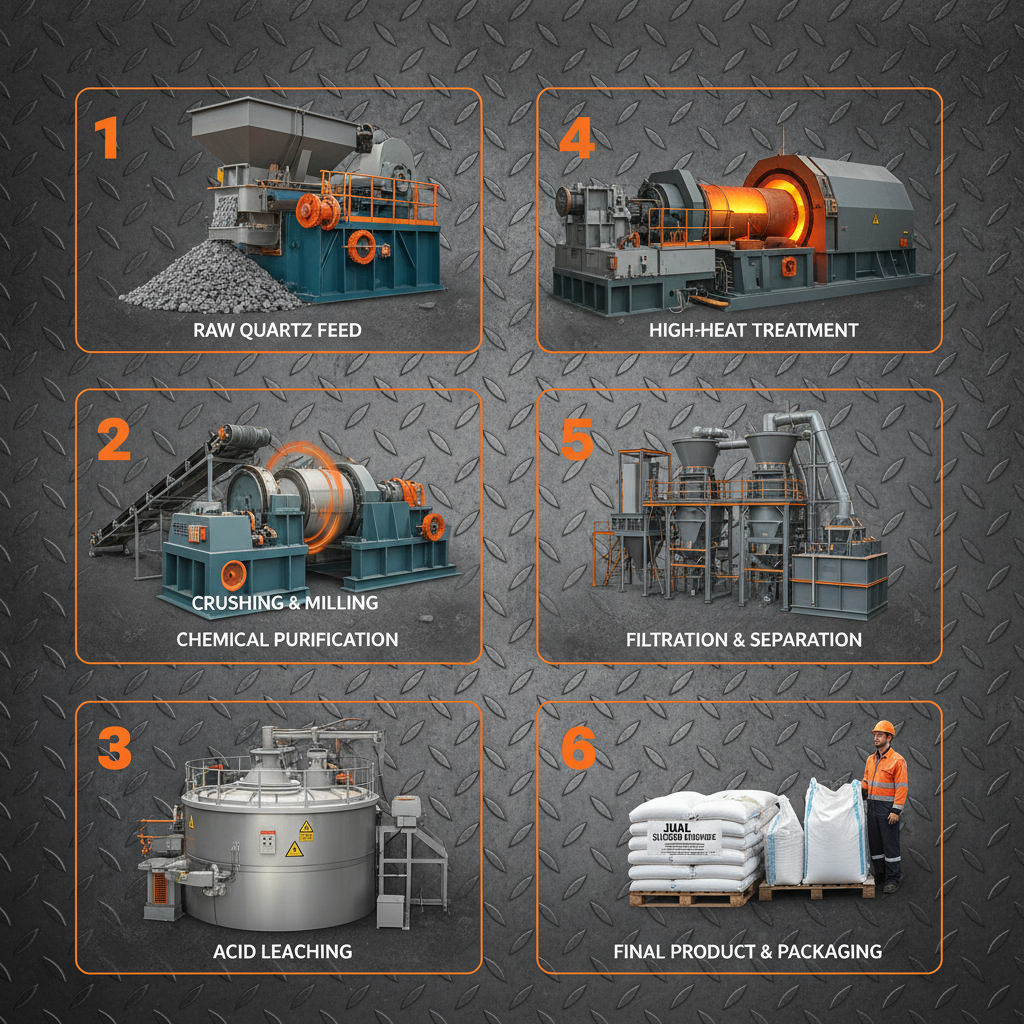
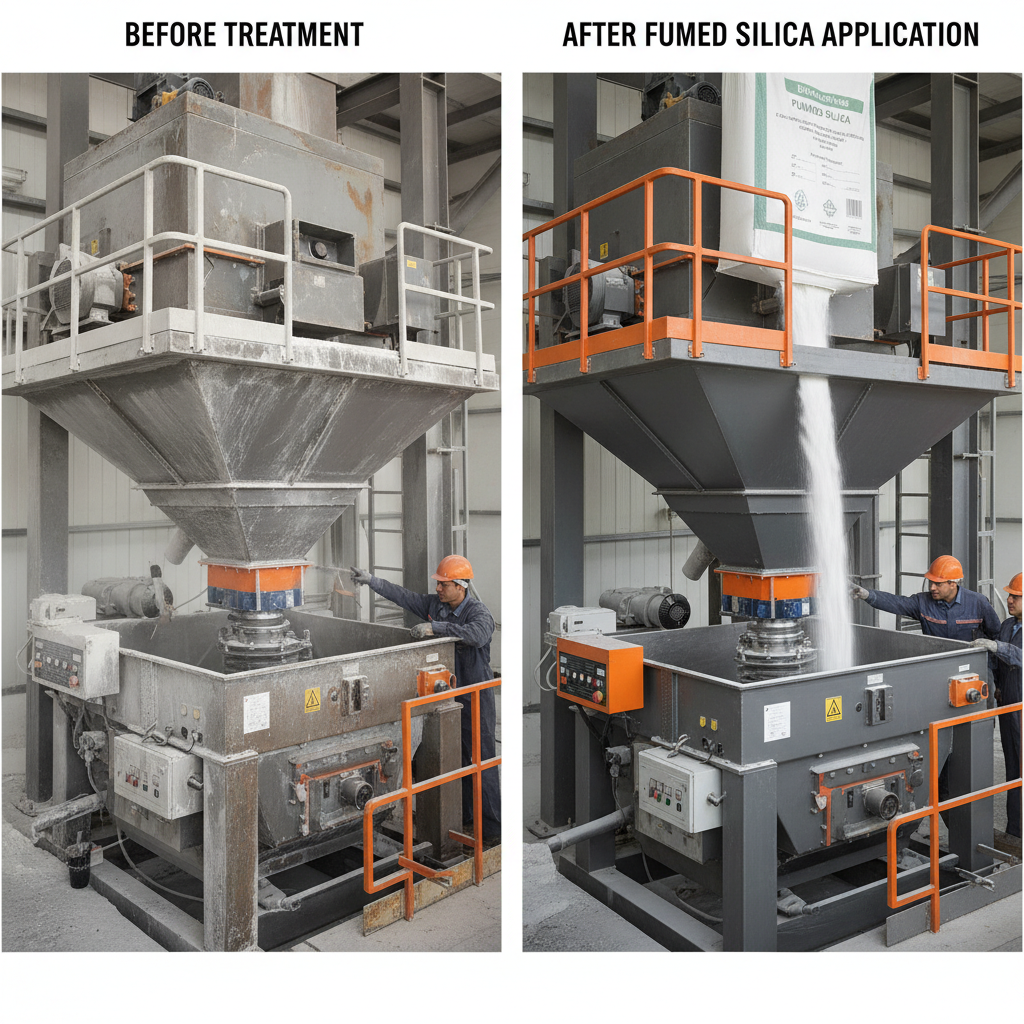
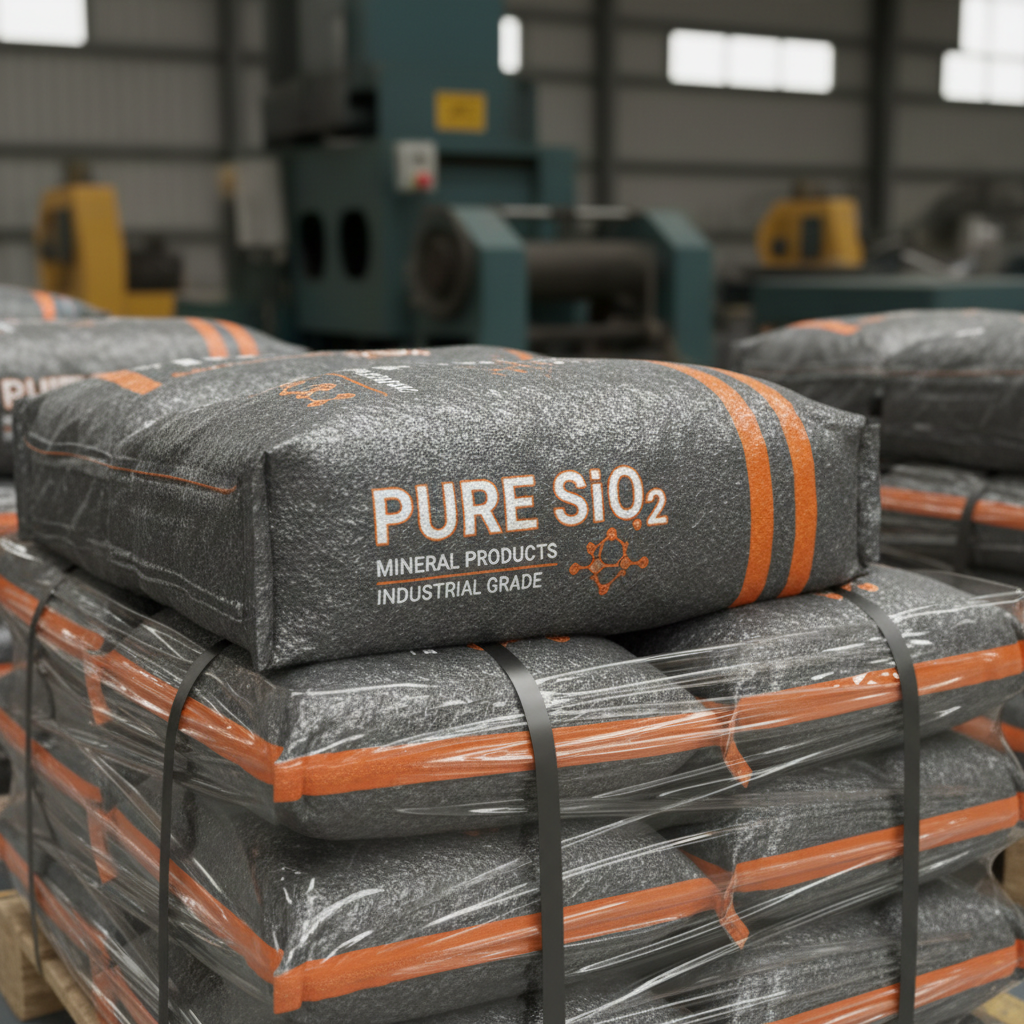
In the sophisticated landscape of modern industrial materials, silica si02 stands as one of the most versatile and essential compounds. Often recognized as the primary component of quartz and sand, this chemical powerhouse drives innovation across multiple sectors, from precision electronics to advanced construction, providing the structural integrity and thermal stability that modern engineering demands.
Understanding the nuances of silica si02 is not merely a matter of chemical curiosity but a commercial necessity for manufacturers seeking to optimize product durability and performance. As global industries shift toward more sustainable and high-performance additives, the role of high-purity silicon dioxide has evolved from a simple filler to a functional agent capable of modifying the rheology and strength of complex composite materials.
The global demand for precision-engineered silica si02 continues to rise, driven by the rapid expansion of the semiconductor industry and the green energy transition. By mastering the application of this mineral, companies can achieve a competitive edge in cost-efficiency and product reliability, ensuring their materials withstand the harshest environmental pressures while maintaining strict quality standards.
Global Industrial Relevance of Silica Si02
The global industrial landscape is fundamentally dependent on the availability of high-quality silica si02. According to industrial market analysis and ISO quality benchmarks, the precision of silicon dioxide purity directly correlates with the failure rates of high-temperature ceramics and optical fibers. In an era where micron-level accuracy is the standard, the global supply chain relies on refined silica to bridge the gap between raw mineral extraction and high-tech application.
However, the industry faces a persistent challenge: the volatility of purity levels in raw deposits. This inconsistency often leads to structural vulnerabilities in cast products or electrical instability in semiconductor substrates. By implementing advanced purification processes, manufacturers are now able to transform standard silica si02 into a high-performance functional material that meets the rigorous demands of the aerospace and medical device sectors.
Defining Silica Si02 in Modern Manufacturing
In simple technical terms, silica si02 is a chemical compound consisting of one silicon atom and two oxygen atoms, most commonly found as quartz in the Earth's crust. While it may appear as simple sand to the untrained eye, in the context of industrial powder processing, it is a critical additive that provides chemical inertness, hardness, and thermal resistance to a vast array of end products.
Within modern manufacturing, silicon dioxide acts as a cornerstone for humanitarian and infrastructural needs. From the glass used in sustainable urban architecture to the filtration systems that ensure clean drinking water in remote regions, silica si02 provides the physical foundation for these essential services. Its ability to exist in various forms—amorphous, crystalline, and colloidal—allows it to be tailored for specific industrial requirements.
The connection between this mineral and modern progress is profound. As we move toward smarter cities and more efficient energy grids, the demand for ultra-pure silica si02 grows, as it is the only material capable of supporting the thermal loads and electrical insulation required for next-generation power electronics and high-speed communication networks.
Core Performance Factors of Silica Si02
One of the primary drivers of silica si02 adoption is its exceptional Thermal Stability. In high-temperature environments, such as foundry casting or glass blowing, the material maintains its structural integrity without warping or decomposing, making it an indispensable component for refractory materials and heat-shielding components.
Beyond heat resistance, the Chemical Inertness of silica si02 ensures that it does not react with other additives in a composite mix. This stability is crucial for pharmaceutical-grade fillers and food-safe coatings, where any chemical leaching could compromise the safety and purity of the final product.
Finally, the Mechanical Hardness and abrasive properties of silica si02 provide significant cost-efficiency in industrial polishing and surface preparation. By optimizing the particle size distribution, manufacturers can create materials that increase the wear-resistance of flooring, countertops, and industrial coatings, extending the lifecycle of the asset.
Global Applications and Use Cases
The application of silica si02 spans across nearly every continent, adapted to local industrial strengths. In the tech hubs of East Asia, it is the bedrock of the semiconductor industry, used to create the silicon wafers that power every smartphone and server. In the construction-heavy markets of the Middle East and North America, high-grade silica is integrated into high-performance concrete to reduce permeability and increase the longevity of skyscrapers and bridges.
Real-world use cases extend into critical humanitarian and industrial zones. For instance, in post-disaster relief operations, silica-based filtration media are deployed in portable water purification units to remove contaminants and pathogens rapidly. Similarly, in remote mining industrial zones, silica-reinforced polymers are used to build corrosion-resistant piping and storage tanks that can withstand aggressive chemical exposure.
Industrial Performance Rating of Silica Si02 Variants
Long-Term Value and Sustainability
Investing in high-purity silica si02 delivers tangible long-term value through the lens of sustainability and reliability. Because silica-enhanced materials possess superior durability, the frequency of replacement and repair is drastically reduced, leading to a lower overall carbon footprint for construction projects. This shift toward "lifetime materials" reduces waste and lowers the total cost of ownership for industrial operators.
Beyond the logic of cost, there is an emotional angle of trust and safety. In the production of safety glass for vehicles or medical-grade vials for vaccines, the reliability of silica si02 is a matter of human dignity and protection. Knowing that a material will not fail under extreme pressure or contaminate a sensitive medicine builds a bridge of trust between the manufacturer and the end-user, fostering a culture of innovation and security.
Future Trends and Material Innovations
The future of silica si02 is being rewritten by the digital transformation of the mining and processing sectors. Automation and AI-driven sorting are now allowing for the extraction of "ultra-pure" silica with unprecedented precision, reducing the energy required for chemical refinement. This move toward "Green Silica" is aligning the industry with global carbon-neutral goals, making the production process as sustainable as the end product.
Moreover, the rise of nanotechnology is introducing "Nano-Silica," a form of silica si02 with an immense surface area that can radically alter the properties of polymers and coatings. These innovations are paving the way for self-healing concrete, transparent solar panels, and high-capacity batteries, ensuring that silicon dioxide remains at the center of the green energy revolution.
We are also seeing a shift toward circular economy models, where waste silica from the glass and semiconductor industries is reclaimed and repurposed into functional fillers for the construction sector. This closed-loop system not only preserves natural resources but also lowers the raw material costs for manufacturers of silica si02 based products, creating a sustainable economic ecosystem.
Challenges and Expert Solutions in Processing
Despite its advantages, the processing of silica si02 is not without challenges. One of the most significant hurdles is "particle agglomeration," where fine silica powders clump together, leading to uneven distribution in composite materials. This can result in structural weak points and inconsistent product quality, which is a major concern for precision engineering.
To overcome this, experts recommend the use of advanced surface modification techniques, such as silanization, which alters the surface chemistry of silica si02 to improve its compatibility with organic polymers. By introducing a chemical "bridge" between the inorganic silica and the organic matrix, manufacturers can achieve a homogeneous dispersion, maximizing the mechanical strength of the final composite.
Another critical challenge is the management of crystalline silica dust during the manufacturing process, which poses health risks to workers. The solution lies in the adoption of "wet-processing" techniques and advanced vacuum-sealed conveyance systems. By implementing these safety protocols, companies can ensure that the production of silica si02 remains efficient, ethical, and compliant with international health and safety standards.
Comparative Analysis of Silica Si02 Processing Methods
| Processing Method |
Purity Level (1-10) |
Cost Efficiency |
Primary Application |
| Mechanical Milling |
6 |
High |
Construction Fillers |
| Chemical Precipitation |
9 |
Medium |
Pharmaceuticals |
| Sol-Gel Process |
10 |
Low |
Optical Fiber |
| Thermal Fusion |
8 |
Medium |
Precision Glass |
| Acid Leaching |
7 |
Medium |
Ceramic Glazes |
| Plasma Synthesis |
9 |
Low |
Aerospace Coatings |
FAQS
High-purity silica si02 removes iron and aluminum impurities that can cause discoloration in glass or electrical conductivity in insulators. This ensures that the final product has consistent optical clarity, higher dielectric strength, and superior thermal resistance compared to raw sand.
When used as a functional filler, silica si02 fills the microscopic voids in concrete and mortar. This reduces permeability, preventing water and chemicals from penetrating the structure, which significantly reduces cracking and corrosion over time.
Yes, food-grade silica si02 is chemically inert and non-toxic. It is widely used as an anti-caking agent in powdered foods and as a primary component in glass bottles, ensuring that no harmful chemicals leach into the food or beverage.
Absolutely. By increasing the lifespan of structures and reducing the need for frequent repairs, silica si02 helps lower the lifetime carbon footprint of a building. Additionally, recycled silica is increasingly used to replace virgin minerals in eco-friendly concrete.
Crystalline silica si02 (like quartz) has a structured atomic lattice, providing extreme hardness and stability. Amorphous silica lacks this structure, making it more soluble and flexible for applications like silica gel or high-tech coatings.
Importing silica si02 requires strict adherence to purity certifications (such as ISO) and safety data sheets (SDS). Partnering with a supplier that provides comprehensive laboratory analysis and logistics support ensures that the material meets local regulatory standards upon arrival.
Conclusion
In summary, silica si02 is far more than a basic mineral; it is a fundamental pillar of modern industrial capability. From its critical role in the semiconductor and electronics sectors to its ability to enhance the sustainability and strength of global infrastructure, this versatile compound provides the essential balance of thermal stability, chemical inertness, and mechanical hardness. By understanding the nuances of different silica grades and processing methods, manufacturers can unlock higher product quality and operational efficiency.
Looking forward, the integration of nano-technology and circular economy practices will further elevate the significance of silicon dioxide. As industries transition toward carbon neutrality and smarter materials, the demand for precision-engineered silica si02 will only intensify. We encourage manufacturers and engineers to prioritize high-purity sources to ensure their products are ready for the challenges of tomorrow. For more information on high-performance functional powders, visit our website: www.hezhenshiye.com