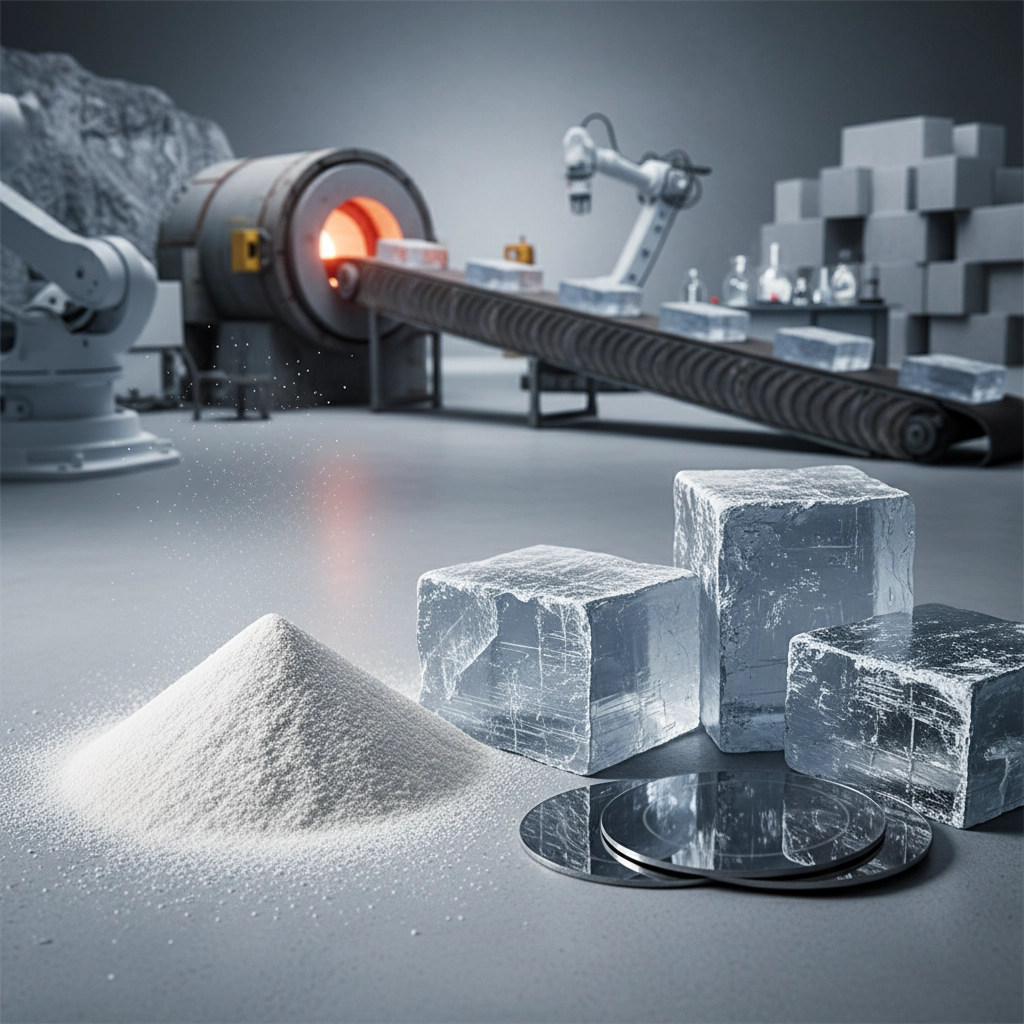
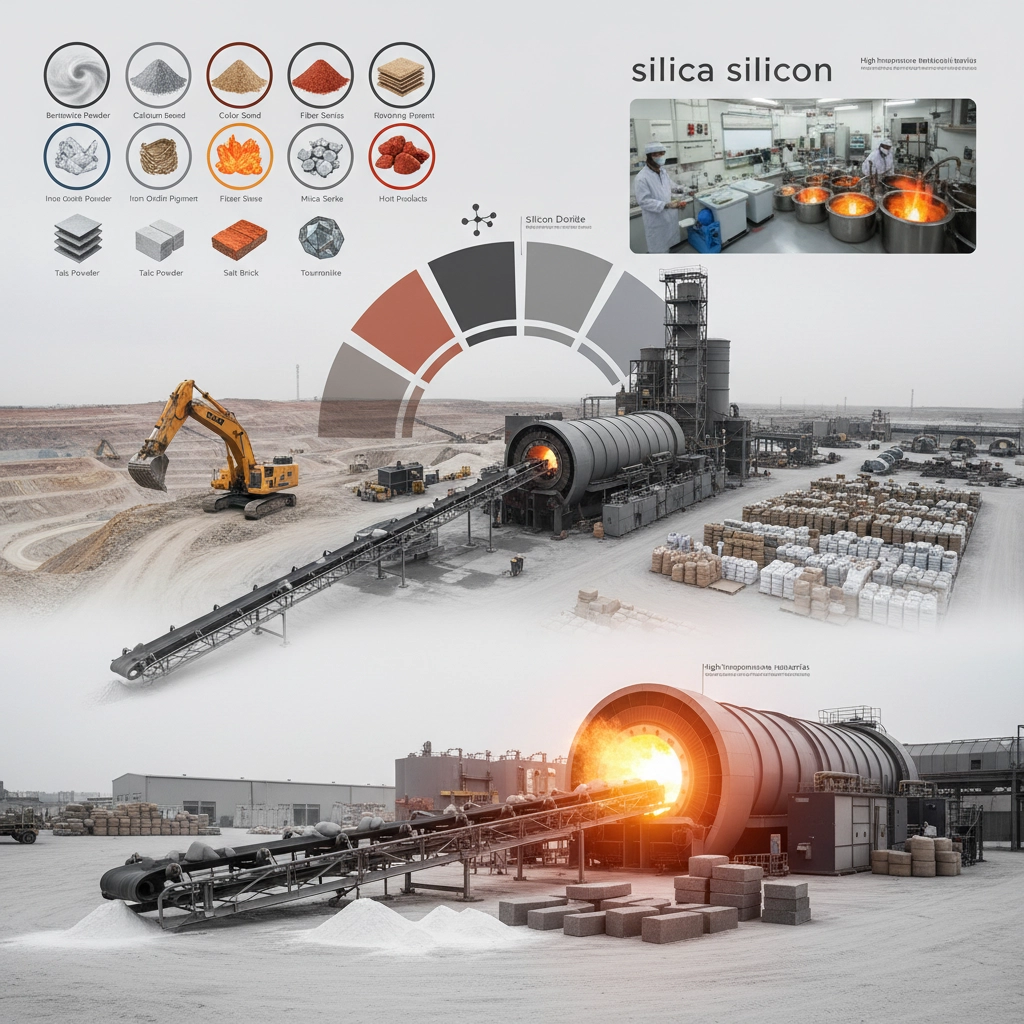
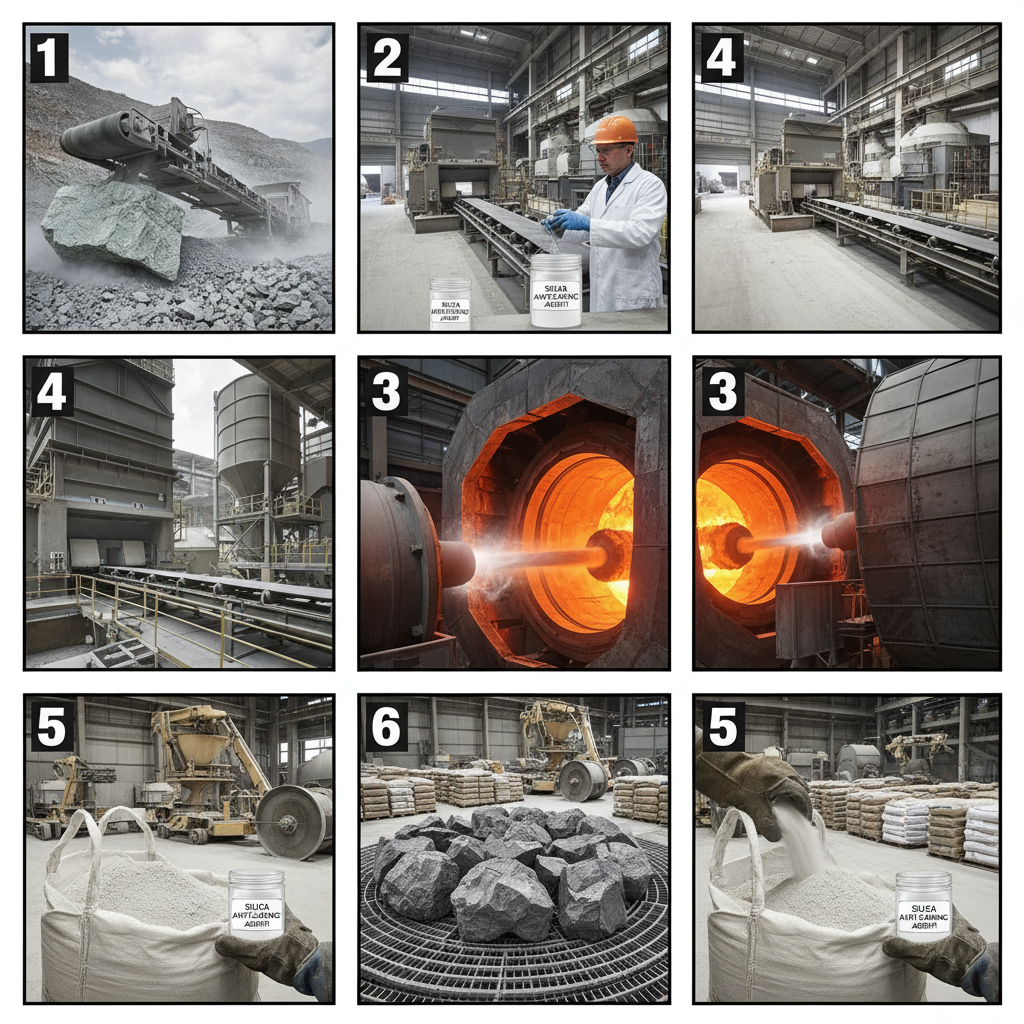
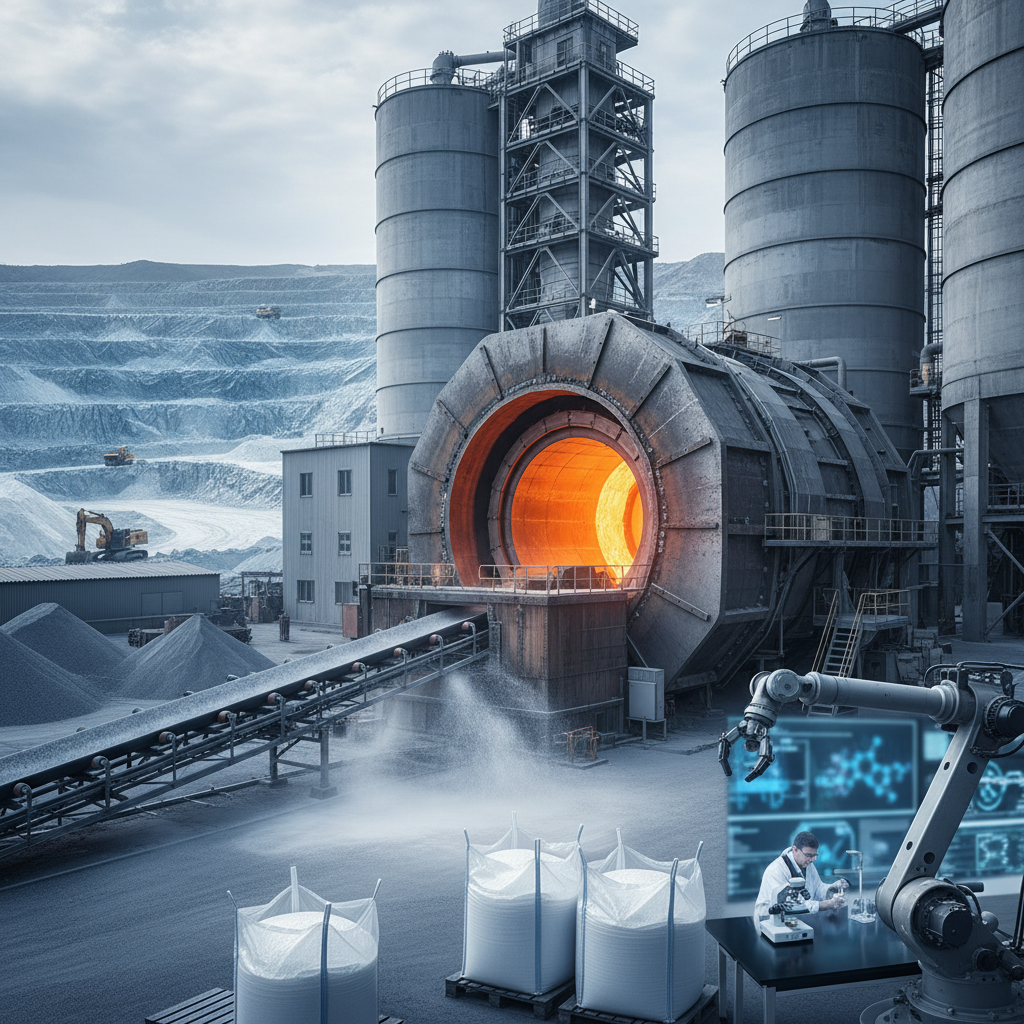
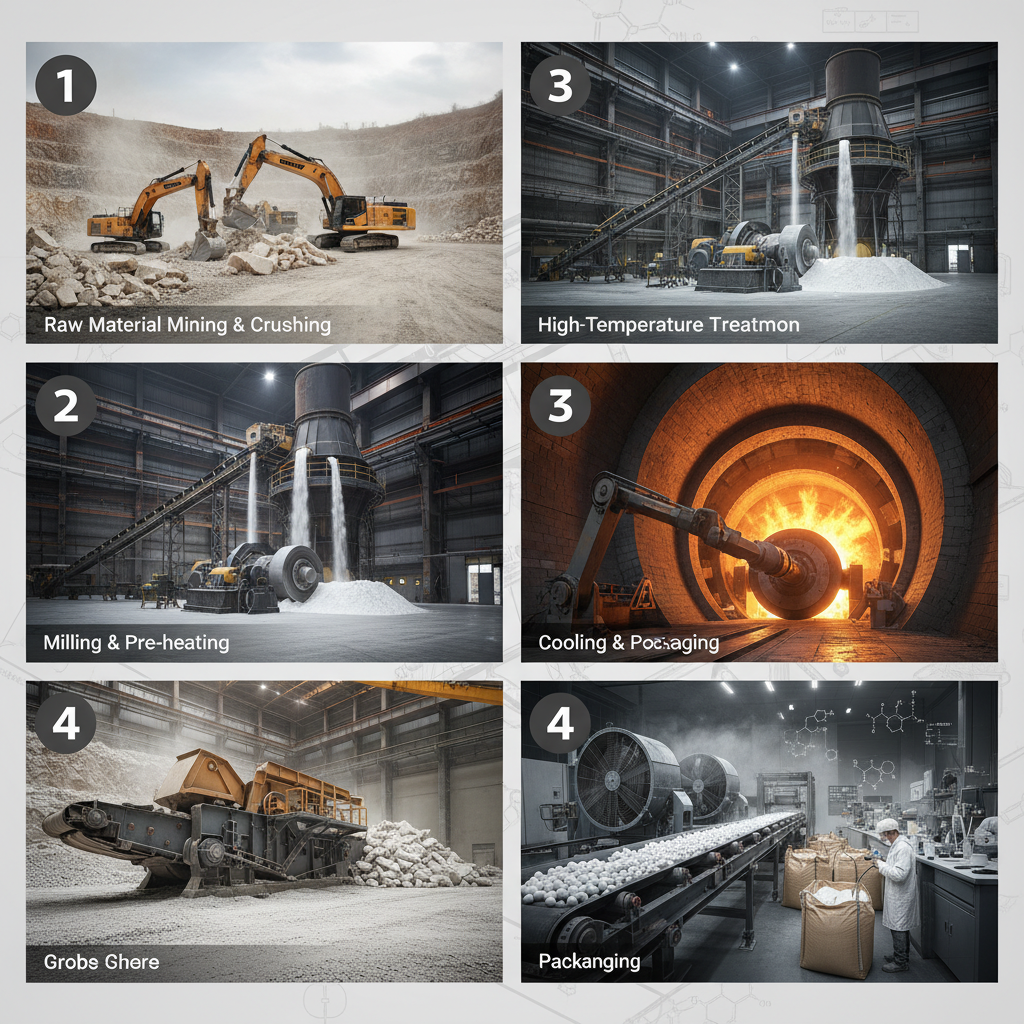
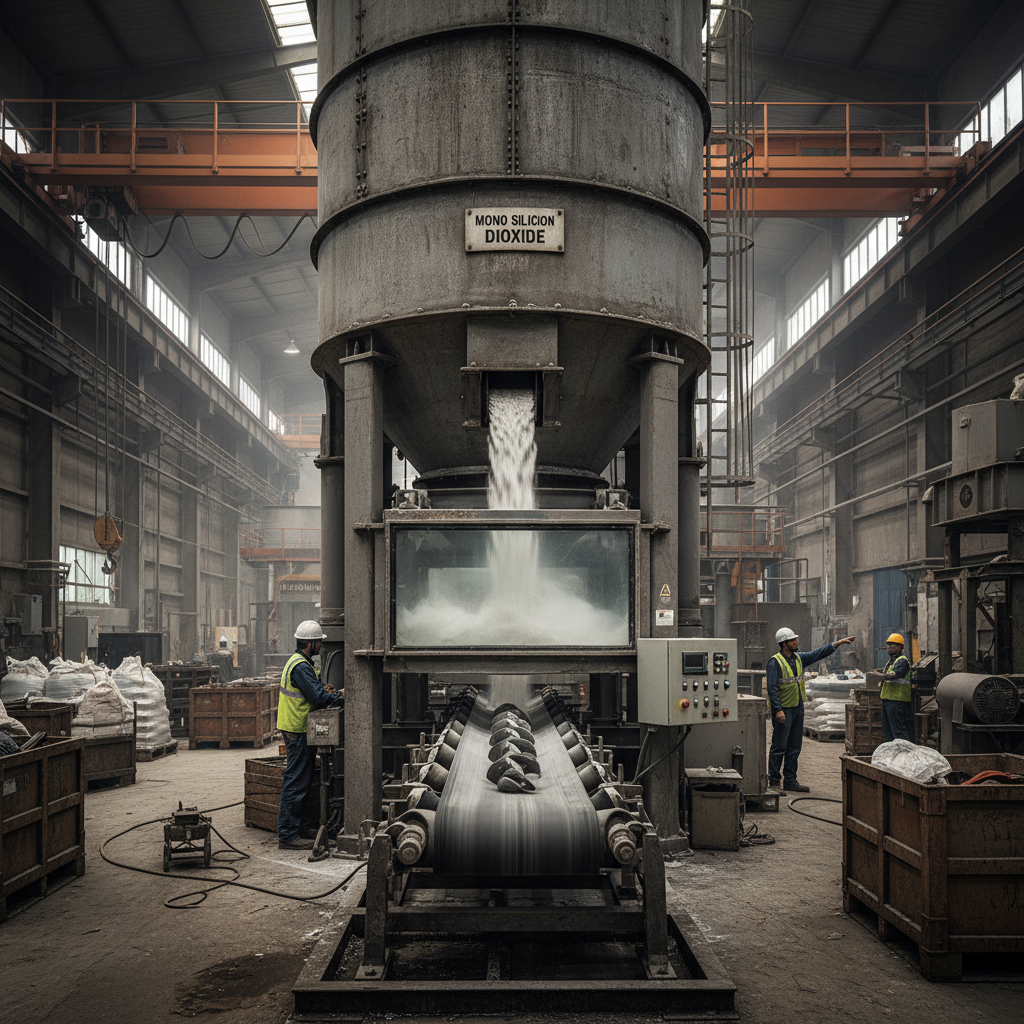
In the sophisticated landscape of modern industrial materials, silica silicon stands as a cornerstone of non-metallic mineral processing. This versatile material, known for its exceptional thermal stability and chemical inertness, serves as a critical functional filler across a multitude of sectors, from automotive coatings to high-performance ceramics. Understanding its properties is not merely a technical necessity but a commercial advantage for manufacturers seeking to optimize product durability and cost-efficiency.
Globally, the demand for high-purity silicon dioxide and its derivatives has surged as industries shift toward more sustainable and lightweight materials. By integrating precision-engineered silica silicon, companies can significantly enhance the structural integrity of polymers and the refractive indices of specialized glassware. This evolution reflects a broader trend in the mineral powder industry toward "functionalization," where raw materials are tailored to meet specific molecular performance metrics.
For procurement specialists and engineers, the challenge lies in balancing purity with particle size distribution to ensure seamless integration into production lines. Whether used as an anti-caking agent or a reinforcing filler, the correct grade of silica silicon can reduce material waste and improve the final product's lifespan. This guide explores the technical nuances and global applications of this essential mineral to help you make informed sourcing decisions.
Global Industry Context of Silica Silicon
The global market for silica silicon is intrinsically linked to the growth of the construction, electronics, and pharmaceutical industries. According to standards aligned with ISO quality management, the purity of silicon-based powders is now a primary metric for competitiveness. As emerging economies in Asia and Latin America expand their infrastructure, the demand for high-grade industrial fillers that can withstand extreme environmental stress has reached an all-time high.
However, the industry faces a significant challenge: the volatility of raw material sourcing and the need for lower carbon footprints during the calcination process. This has pushed leading manufacturers to invest in "green" processing techniques, ensuring that the production of silica silicon meets stringent international environmental regulations while maintaining the high surface area and porosity required for functional applications.
Defining Silica Silicon in Modern Manufacturing
In its simplest terms, silica silicon refers to the various forms of silicon dioxide (SiO2) and related silicon-based mineral powders processed for industrial use. While silica is naturally abundant in quartz and sand, the "industrial grade" version is carefully refined to control particle size and chemical purity, transforming it from a raw earth mineral into a precise engineering tool.
In the context of modern manufacturing, this material acts as a bridge between organic polymers and inorganic stability. For example, in the production of high-performance rubber or plastics, silica silicon is used to improve tear resistance and hardness without significantly increasing the weight of the final part. It is the invisible scaffolding that allows materials to perform under pressure.
Beyond mere filling, it addresses critical humanitarian and safety needs. From the creation of non-toxic food packaging to the development of medical-grade seals, the biocompatibility and stability of refined silicon powders ensure that products are safe for human contact and durable enough to prevent hazardous leaks in industrial chemical transport.
Core Components and Technical Factors
When evaluating silica silicon, the most critical factor is the Surface Area. A higher specific surface area (SSA) allows for better interaction between the filler and the matrix material, which is essential for achieving maximum reinforcement in composite materials.
Chemical Purity is the second pillar of quality. In high-precision electronics or optical glass manufacturing, even trace amounts of iron or aluminum impurities in the silica silicon can lead to discoloration or electrical failure, making ultra-pure grades indispensable.
Finally, Particle Size Distribution (PSD) determines the flowability and packing density of the powder. For industries like 3D printing or precision casting, a narrow PSD of silica silicon ensures a smooth finish and eliminates structural voids in the final molded product.
Global Applications and Real-World Use Cases
The versatility of silica silicon is evident in its wide deployment across diverse geographies. In the European automotive sector, it is heavily used in "green tires" to reduce rolling resistance, thereby improving fuel efficiency and reducing CO2 emissions. Meanwhile, in the North American construction industry, silicon-based fillers are integrated into high-performance concretes to enhance compressive strength and resist saltwater corrosion in coastal infrastructure.
In more specialized contexts, such as remote industrial zones or post-disaster relief, silica silicon plays a role in the creation of rapid-deployment insulating panels. These panels utilize the thermal insulation properties of silica-based foams to provide immediate temperature control for emergency shelters in extreme climates, demonstrating a direct link between mineral science and humanitarian aid.
Performance Analysis of Silica Silicon Grades
Long-Term Value and Sustainability Advantages
Investing in high-quality silica silicon provides tangible economic advantages over the long term. By increasing the wear resistance of industrial components, companies can extend the maintenance cycles of their machinery, drastically reducing operational downtime and replacement costs. The logical appeal is simple: better material input leads to a longer product lifecycle.
From an emotional and ethical perspective, the transition to sustainable silica silicon production fosters trust between manufacturers and consumers. By utilizing minerals that are sourced responsibly and processed with lower emissions, brands can signal their commitment to environmental stewardship. This innovation does not just serve the bottom line; it ensures that industrial progress does not come at the cost of planetary health.
Future Trends and Material Innovations
The future of silica silicon is being shaped by the digital transformation of the minerals industry. "Smart Powders" are currently in development, where the surface of the silica particle is chemically modified to react to external stimuli like temperature or pH changes. This could lead to self-healing coatings that automatically seal cracks in aircraft wings or pipelines.
Furthermore, the integration of silica silicon into green energy technologies is accelerating. In the production of next-generation lithium-ion batteries, silicon-based anodes are replacing graphite to significantly increase energy density. This shift is critical for the mass adoption of electric vehicles, as it promises longer ranges and faster charging times.
Automation in the processing plant is also redefining the consistency of the material. AI-driven sorting and milling systems now allow for the production of silica silicon with near-perfect spherical morphology, which is essential for the fluid dynamics required in advanced additive manufacturing (3D printing) and pharmaceutical powder flow.
Industry Challenges and Expert Solutions
Despite its benefits, the use of silica silicon is not without challenges. One common limitation is "agglomeration," where fine particles clump together, leading to uneven distribution in the host material. This often results in structural weak points and inconsistent product quality, causing frustration for quality control engineers.
To overcome this, experts recommend the use of advanced surface treatment agents, such as silanes, which modify the surface energy of the silica silicon particles. This ensures a more homogenous dispersion and a stronger chemical bond with the polymer matrix, effectively eliminating the risk of clumping.
Another challenge is the energy-intensive nature of traditional silica refining. Innovative approaches now include the use of waste-derived silica—extracting high-purity silica silicon from rice husk ash or glass waste. This circular economy approach not only reduces the environmental impact but also lowers the raw material cost for the manufacturer.
Comparative Analysis of Silica Silicon Processing Methods
| Processing Method |
Purity Level |
Cost Efficiency |
Primary Application |
| Precipitation |
High |
Moderate |
Rubber Reinforcement |
| Thermal Fusion |
Ultra-High |
Low |
Optical Glass |
| Mechanical Milling |
Moderate |
High |
Construction Fillers |
| Sol-Gel Process |
High |
Low |
Specialized Coatings |
| Waste Recovery |
Variable |
Very High |
Agricultural Fillers |
| Chemical Leaching |
High |
Moderate |
Catalyst Supports |
FAQS
Precipitated silica is produced via a chemical reaction, resulting in a high-surface-area amorphous powder ideal for reinforcement in rubber and plastics. Fused silica is created by melting high-purity quartz at extreme temperatures, resulting in a material with exceptional thermal shock resistance and optical clarity, typically used in semiconductor manufacturing and high-end glassware.
It acts as a reinforcing agent that increases the hardness and scratch resistance of the coating. Because of its chemical inertness, it also protects the underlying substrate from corrosion and UV degradation, extending the lifespan of the coated surface in harsh outdoor environments.
Yes, provided it meets the required purity standards. High-purity, food-grade silicon dioxide is widely used as an anti-caking agent and as a structural component in food-safe polymers. It is non-toxic and chemically stable, meaning it does not leach harmful substances into the food products.
The most effective way is to use surface-treated silica silicon, which has been coated with silane or other coupling agents to reduce particle attraction. Additionally, using high-shear mixing equipment or ultrasonic dispersion can help break down clumps and ensure a uniform blend.
Absolutely. Silica silicon is often used to improve the mechanical properties of bioplastics (like PLA), which are naturally weaker than petroleum-based plastics. It provides the necessary stiffness and thermal stability to make biodegradable materials viable for commercial packaging.
It should be stored in a cool, dry environment in moisture-proof packaging. Because some grades of silica silicon are hygroscopic (they absorb water from the air), exposure to humidity can lead to clumping and a decrease in the effectiveness of the powder during the mixing process.
Conclusion
In summary, silica silicon is far more than a simple mineral filler; it is a high-performance additive that drives innovation across the automotive, electronics, and construction industries. By balancing chemical purity, surface area, and particle size, manufacturers can unlock significant improvements in product durability, efficiency, and sustainability. From reducing the carbon footprint of tires to enabling the next generation of battery technology, the strategic application of this material is key to industrial evolution.
Looking ahead, the shift toward circular economy models and the integration of "smart" material properties will further elevate the importance of precision-engineered silicon powders. We recommend that companies prioritize sourcing from suppliers who offer rigorous quality certification and sustainable processing methods to ensure long-term reliability. For those seeking high-grade industrial fillers and functional powders to optimize their production, explore the possibilities of high-purity materials. Visit our website: www.hezhenshiye.com