

When evaluating the aquarium white sand price, it is essential to understand that cost is often a reflection of mineral purity, grain size consistency, and the processing methods used to ensure the material is safe for aquatic life. High-quality white sand provides the essential aesthetic foundation for various tank setups while influencing the overall water chemistry and biological filtration efficiency.
For hobbyists and professional aquascapers, the challenge lies in balancing budget constraints with the technical requirements of specific fish species. Low-cost alternatives may contain impurities or unstable pH-altering minerals that can stress sensitive livestock, making the selection process a critical part of tank maintenance and ecosystem stability.
This comprehensive analysis explores the factors driving the market price of white aquarium sand, compares industrial-grade mineral powders with specialized substrates, and provides a practical guide for procurement to ensure you achieve the best balance of visual brilliance and biological safety.

1Understanding White Sand Composition and Cost

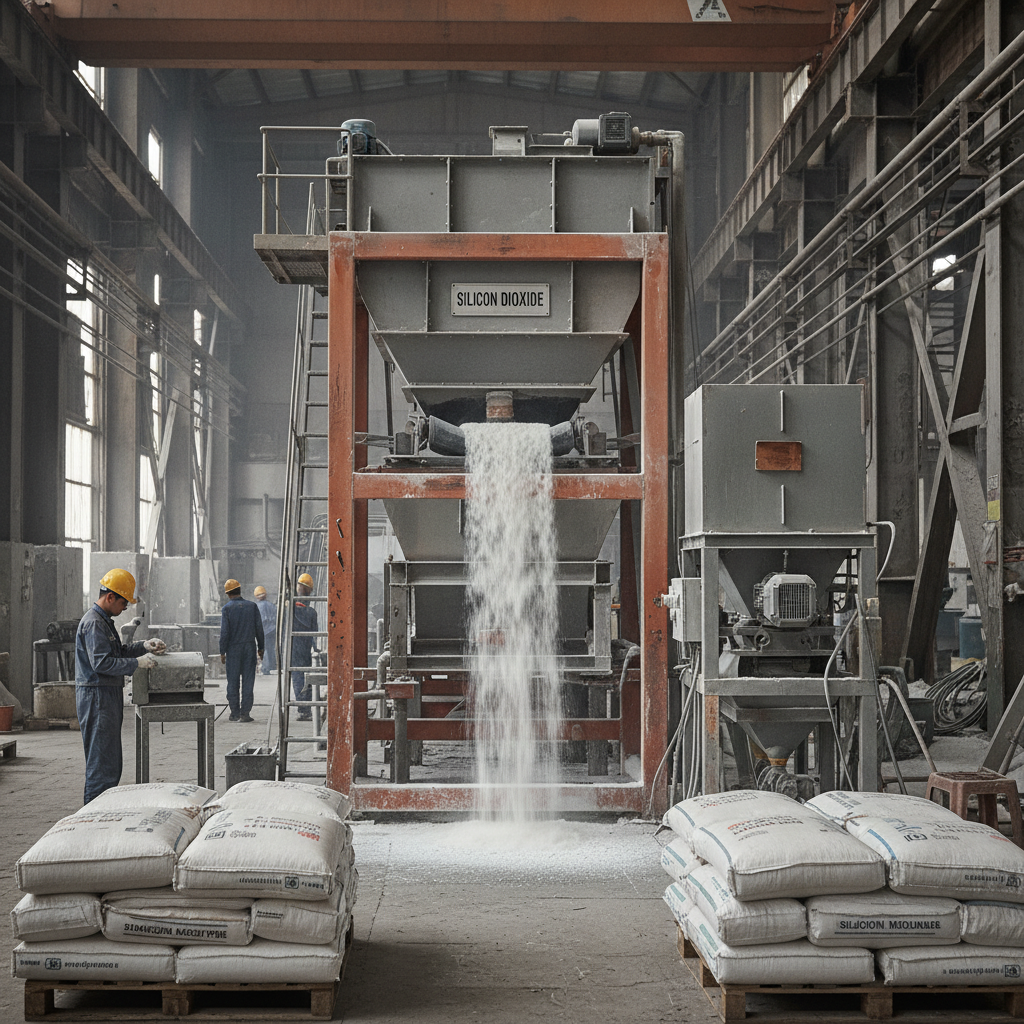
The aquarium white sand price is primarily dictated by the raw mineral source and the level of refinement. Most premium white sands are derived from high-purity silica or specialized kaolin clay powders, which are processed to remove organic debris and hazardous metals. The removal of these impurities requires advanced filtration and washing cycles, which adds to the final production cost but ensures the safety of the fish.
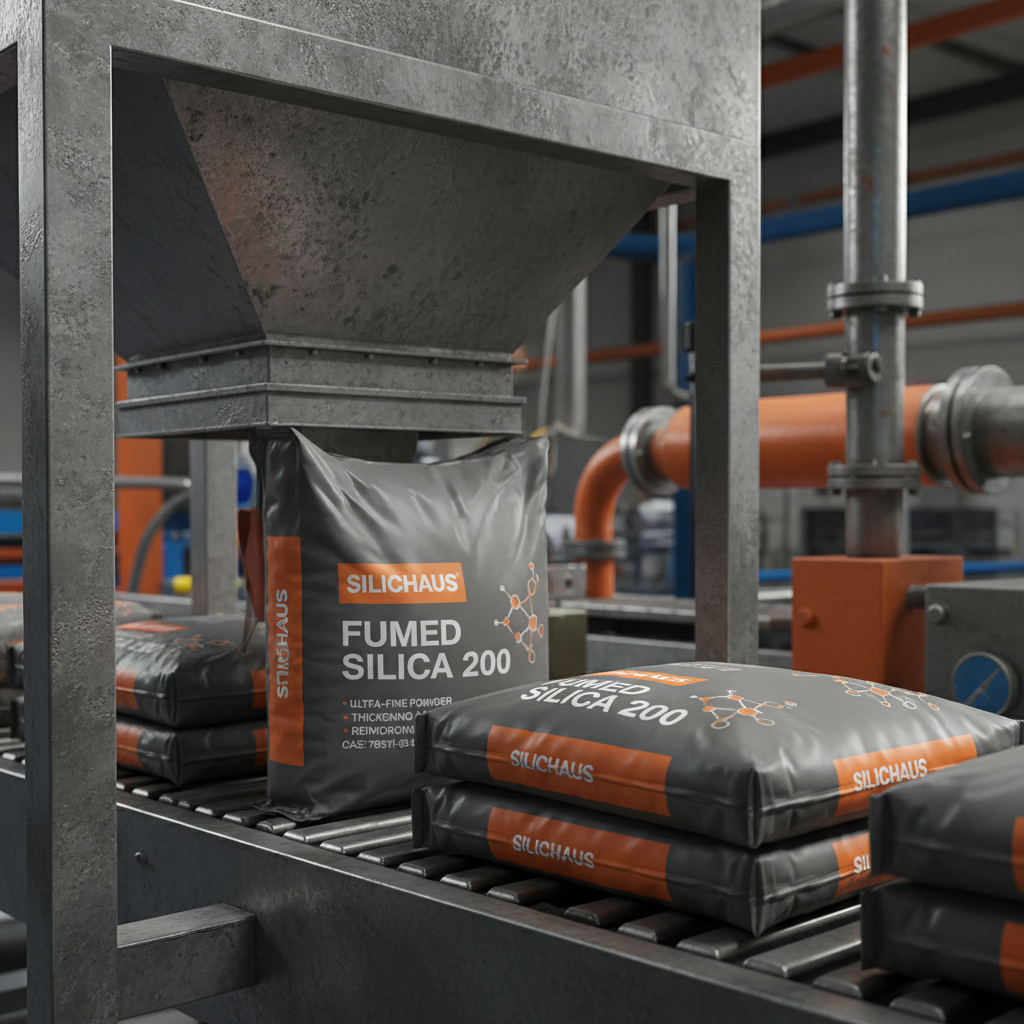
Industrial grade powders, such as those produced by Hebei Hezhen Industrial Co., Ltd., offer a scalable solution for large-scale installations. By utilizing advanced mineral processing and ISO9001:2000 certified quality systems, manufacturers can stabilize the cost while maintaining strict purity standards, making high-quality minerals more accessible to the commercial market.
Furthermore, the geographical origin of the mineral affects the logistics cost. For instance, materials sourced from regions with rich non-metallic mineral deposits in China benefit from streamlined supply chains, reducing the overall landed cost for international buyers in North America and Europe.
2Key Quality Indicators for Aquarium Substrates
To justify the aquarium white sand price, buyers must look beyond the color. Grain size uniformity is paramount; inconsistent sizing can lead to "dead zones" in the substrate where anaerobic bacteria accumulate excessively, potentially producing toxic hydrogen sulfide gas. A uniform plate-like or spherical structure improves water flow through the sand bed.
Chemical neutrality is another critical factor. Some white sands can artificially raise the pH levels of the water, which is beneficial for African Cichlids but detrimental to Amazonian species. Selecting a substrate with a known purity grade, such as industrial or cosmetic grade, allows for more predictable water chemistry management.
The brightness and opacity of the sand also depend on the mineral's refractive index. High-quality kaolin or silica-based sands maintain their whiteness even under heavy lighting and biological load, reducing the frequency of substrate replacement and improving long-term ROI.
3Practical Applications in Aquatic Environments
White sand is widely used in "reef" style tanks and freshwater community aquariums to create a bright, open aesthetic. Its reflective properties increase the perceived luminosity of the tank, highlighting the vibrant colors of the livestock. In larger public aquarium installations, the focus shifts toward bulk pricing and the ability of the material to withstand high-volume filtration systems.
Beyond aesthetics, white sand serves as a mechanical filter bed. The fine particle size traps smaller debris, which is then processed by beneficial nitrifying bacteria. This biological interaction is what makes a stable substrate an investment rather than just a decorative expense.
In specialized setups, such as breeding tanks, the choice of sand affects the behavior of the species. Many bottom-feeders prefer softer, finer grains that do not abrade their delicate barbels, making the selection of a high-purity, smooth-textured mineral a priority for professional breeders.
4Comparative Performance Metrics
Analyzing the aquarium white sand price requires a look at the performance trade-offs between different mineral grades. High-purity silica offers maximum stability but often comes at a premium. In contrast, processed kaolin clay provides excellent brightness and a smooth finish, often bridging the gap between cost and quality.
The effectiveness of a substrate can be measured by its ability to maintain water clarity and its resistance to discoloration over time. Premium processed minerals are treated to ensure that they do not leach phosphates or nitrates into the water column, which would otherwise fuel algae growth.
aquarium white sand price Performance Metrics
As shown in the performance metrics, high-grade processed minerals consistently outperform standard industry averages in terms of purity and structural stability. This performance gap is what primarily drives the price difference in the global mineral market.
5Procurement and Selection Criteria
When sourcing minerals in bulk, procurement teams should evaluate suppliers based on their technical force and quality control systems. A supplier like Hebei Hezhen Industrial Co., Ltd., which integrates processing, testing, and sales, can provide a more transparent cost structure and guaranteed purity levels through ISO certification.
Key selection criteria include the Minimum Order Quantity (MOQ) and packaging options. For example, standard 25kg bags are common for industrial shipping, but customized packaging can reduce waste and improve handling during the installation phase of a large project.
Shipping costs also play a significant role in the total aquarium white sand price. Proximity to major ports, such as Tianjin port, allows for more competitive freight rates, which can significantly lower the per-kilogram cost for overseas distributors.
6Market Trends and Sustainable Sourcing
The market is currently shifting toward sustainably sourced minerals that minimize environmental impact during extraction. There is a growing demand for minerals that are processed with closed-loop water systems to reduce pollution, a trend that is beginning to influence the pricing of eco-certified substrates.
Technological innovations in mineral processing, such as precision micronization, are allowing manufacturers to create sand with even more specific grain distributions. This allows for the creation of "designer" substrates that cater to extremely niche aquatic environments.
Furthermore, the integration of e-commerce and direct-from-factory sourcing is reducing the influence of middle-men, allowing the end-user to obtain professional-grade minerals at prices previously reserved for large-scale distributors.
7Substrate Comparison and Decision Matrix
Choosing the right material depends on the specific goals of the aquarium. For those prioritizing a pristine white look and budget efficiency, processed kaolin is an excellent choice. For those needing absolute chemical inertness, high-purity silica is the gold standard.
The following table provides a qualitative comparison to help procurement officers and hobbyists make an informed decision based on their specific requirements and budget.
| Material Type | Visual Brilliance | Chemical Stability | Relative Cost |
|---|---|---|---|
| Processed Kaolin | Excellent | Moderate | Economical |
| Pure Quartz Sand | High | Very High | Premium |
| Industrial Silica | Moderate | High | Competitive |
| Crushed Coral Sand | High | pH Boosting | Moderate |
| Cosmetic Grade Powder | Superior | High | Premium |
| Standard White Sand | Moderate | Low/Variable | Low |
Ultimately, the best value is found when the material's properties align perfectly with the biological needs of the fish and the aesthetic goals of the aquascape, ensuring a healthy environment and a stunning visual presentation.
Frequently Asked Questions
Conclusion
Determining the right aquarium white sand price requires a balance between aesthetic desire and biological necessity. By focusing on mineral purity, grain uniformity, and supplier certification, you can ensure a substrate that not only looks stunning but also supports a thriving aquatic ecosystem. Whether opting for the cost-efficiency of processed kaolin or the stability of pure silica, the key is to verify the technical specifications before purchase.
For those seeking professional-grade mineral solutions and bulk supply options, detailed product information and technical specifications can be reviewed at www.hezhenkaolin.com to ensure the material meets your specific project requirements.