

Understanding Silica Types: A Comprehensive Guide
Silica, also known as silicon dioxide (SiO₂), is one of the most abundant compounds on Earth. It exists in numerous forms, each with unique properties and applications. This article will explore the various silica types, delving into their structures, characteristics, and industrial uses. Understanding these distinctions is crucial for selecting the appropriate silica form for specific applications, ranging from ceramics and construction to food and pharmaceuticals. We’ll cover crystalline and amorphous silica, outlining their key differences and common occurrences.
Crystalline Silica: Structure and Properties
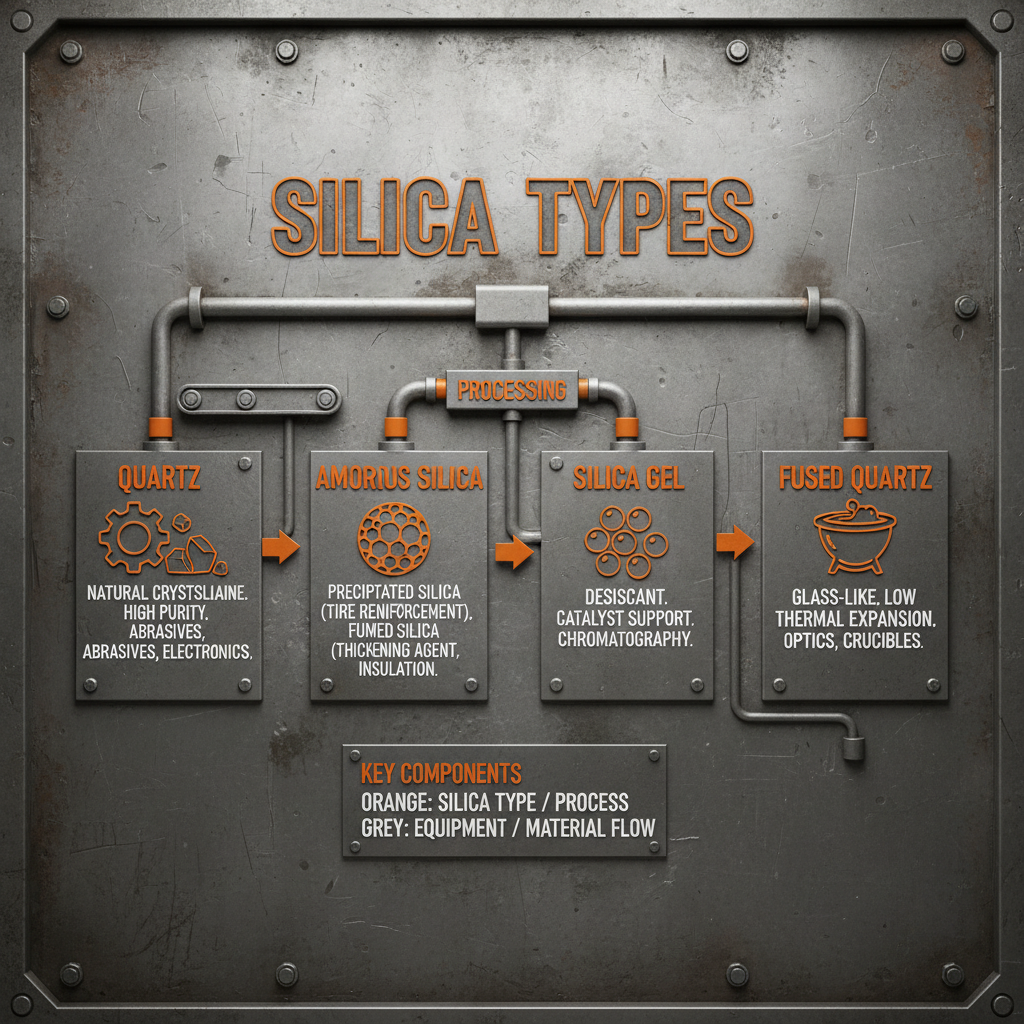
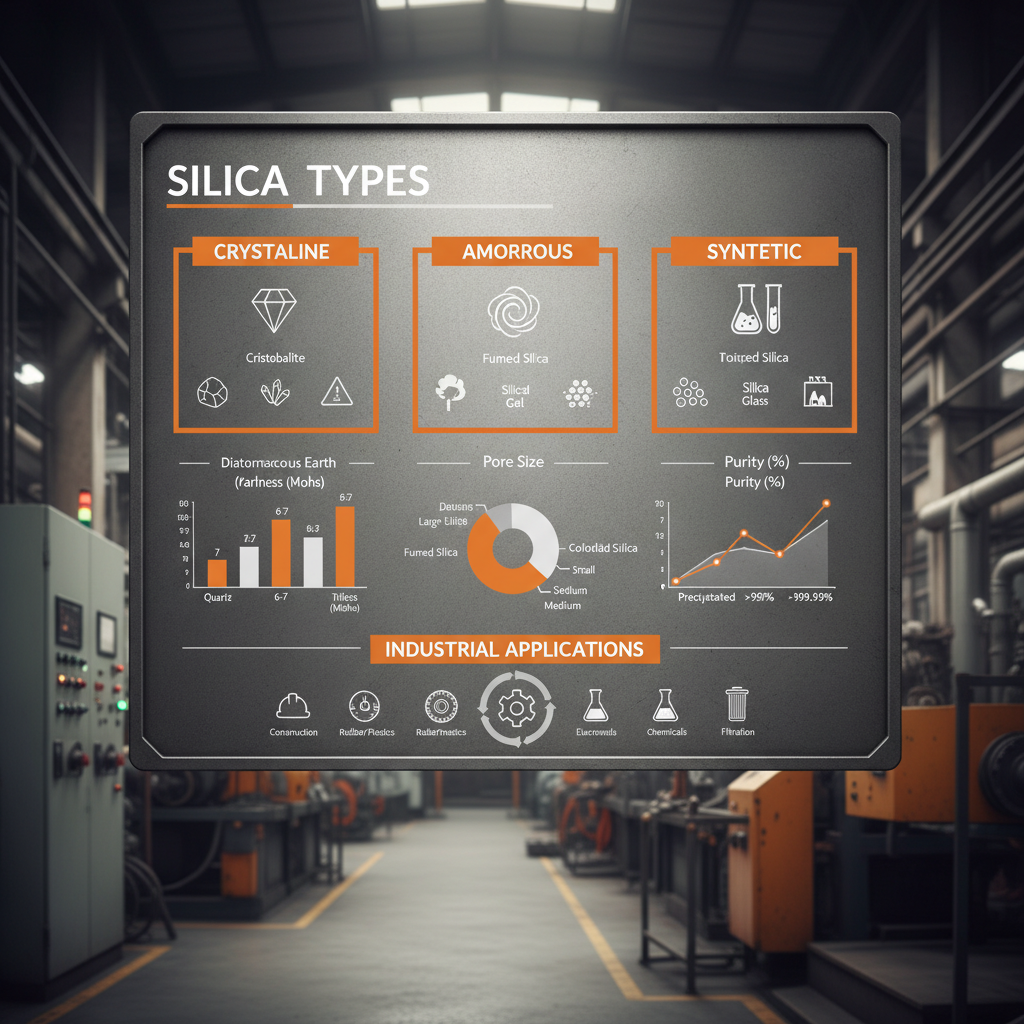
Crystalline silica forms a highly ordered, repeating structure. This structured arrangement contributes to its hardness and chemical inertness. The most common crystalline forms include quartz, tridymite, and cristobalite. Quartz is the most stable and abundant, commonly found in sand, granite, and other rocks. Tridymite and cristobalite are typically formed at higher temperatures and are less common. Crystalline silica is often used in glassmaking, abrasives, and as a component in concrete. However, it’s important to note that inhaling crystalline silica dust can pose health risks, making proper handling and safety measures essential. Its stability makes it ideal for applications requiring high durability.
Key Highlights: Crystalline silica forms a highly ordered structure contributing to its hardness. Common forms include quartz, tridymite, and cristobalite. It’s used in glassmaking, abrasives and concrete.
Amorphous Silica: Characteristics and Applications
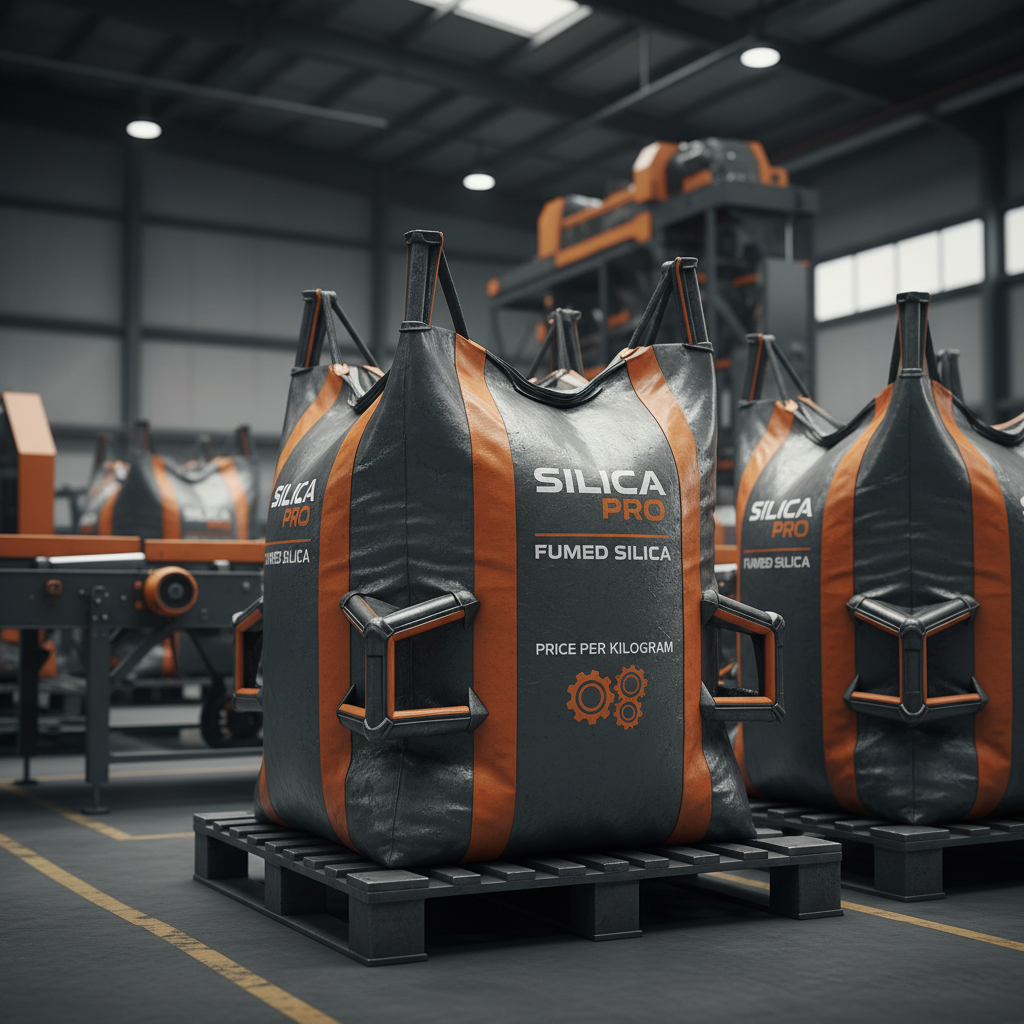
Unlike its crystalline counterpart, amorphous silica lacks a long-range ordered structure. This results in different physical and chemical properties. Common forms of amorphous silica include silica gel, fumed silica (pyrogenic silica), and diatomaceous earth. Silica gel is widely used as a desiccant due to its high surface area and ability to absorb moisture. Fumed silica is a fine powder used as a thickening agent, reinforcing filler, and anti-caking agent in various industries. Diatomaceous earth, derived from fossilized diatoms, is used as a filter aid, absorbent, and insecticide. These forms are generally considered less hazardous to inhale compared to crystalline silica.
Amorphous Silica Benefits:
• High surface area for absorption
• Used as desiccants, thickeners, and filter aids
• Generally less hazardous than crystalline silica
• Versatile applications in diverse industries
Comparing Crystalline and Amorphous Silica Types
Choosing between crystalline and amorphous silica depends heavily on the intended application. Crystalline silica’s hardness and stability make it ideal for durable products like glass and concrete, while amorphous silica's high surface area and absorbent properties are better suited for applications like drying agents and filtration. Safety considerations also play a significant role, with amorphous silica generally posing lower respiratory risks. Understanding these differences is crucial for optimizing performance and ensuring safe handling practices. Explore our range of silica products to find the best solution for your needs.
Industrial Applications Across Various Sectors
The diverse silica types find application across a wide range of industries. In the construction industry, crystalline silica is a key component of concrete, providing strength and durability. The pharmaceutical industry utilizes amorphous silica as an excipient in tablets and capsules. The food industry employs diatomaceous earth as a filtration aid in beverages. Furthermore, the cosmetic industry incorporates silica derivatives for their thickening and absorbent properties. From electronics to paints, the versatility of silica makes it an indispensable material in modern manufacturing.
Choosing the Right Silica for Your Application
Selecting the appropriate silica type requires careful consideration of the desired properties and performance characteristics. Factors such as particle size, surface area, purity, and crystalline structure all play a crucial role. At Hezhen Kaolin, we offer a comprehensive range of silica products tailored to meet specific industrial needs. Our team of experts can provide guidance and support to help you choose the optimal silica solution for your application. We are committed to delivering high-quality products and exceptional customer service.
Conclusion: Understanding and Utilizing Silica
The diverse world of silica offers a wealth of materials with unique properties and applications. From the robustness of crystalline forms to the versatility of amorphous silica, understanding these differences is critical for success across various industries. Hezhen Kaolin is your trusted partner for all your silica needs, providing high-quality products and expert support.
Frequently Asked Questions (FAQs)
What are the primary differences between quartz and amorphous silica?
Quartz is a crystalline form of silica with a highly ordered structure, making it very stable and hard. It’s often used in applications requiring durability. Amorphous silica, in contrast, lacks this long-range order and exists in forms like silica gel and fumed silica. It’s known for its high surface area and absorbent properties, making it ideal for uses like drying agents and thickening agents. The crystalline structure of quartz contributes to its resistance to chemical attack and weathering, while amorphous silica is generally easier to modify chemically.
Is crystalline silica always hazardous?
While crystalline silica itself isn't inherently hazardous, inhaling respirable crystalline silica dust can cause serious health problems, including silicosis, lung cancer, and kidney disease. The hazard stems from the fine particles being able to penetrate deep into the lungs. Proper safety measures, such as using respirators and implementing dust control measures, are essential when working with crystalline silica. It's crucial to adhere to OSHA regulations and best practices to minimize exposure.
How is fumed silica produced?
Fumed silica, also known as pyrogenic silica, is produced through a high-temperature hydrolysis process involving silicon tetrachloride (SiCl₄) in a flame. The reaction creates tiny silica particles that agglomerate and then are collected. The process parameters, such as temperature and pressure, control the particle size and surface area of the final product. It is commonly used as a thickening agent, reinforcing filler, and anti-caking agent.
What makes diatomaceous earth unique?
Diatomaceous earth is unique because it's composed of the fossilized remains of single-celled algae called diatoms. These diatoms have intricate silica cell walls, and when they die, these walls accumulate to form a soft, sedimentary rock. The structure of diatomaceous earth gives it a high porosity and large surface area, making it an excellent filter aid, absorbent, and mild abrasive. It is also used as an insecticide by disrupting the protective outer layer of insects.