

How to Choose the Best SiO2 Suppliers for Your Industrial Needs
Finding reliable sio2 suppliers is critical for manufacturers who depend on high-purity silicon dioxide for their production processes. Whether you are in the ceramics, glass, electronics, or chemical industry, the quality of your SiO2 raw material directly impacts the structural integrity and performance of your end product. With a global market filled with various options, distinguishing between a standard vendor and a strategic partner requires a deep understanding of purity levels, particle size distribution, and supply chain stability. In this guide, we will explore the essential criteria for selecting the right supplier and how to ensure you receive a product that meets stringent international standards.
The Role of Purity in Selecting SiO2 Suppliers
The primary differentiator among sio2 suppliers is the level of chemical purity they can guarantee. High-purity silicon dioxide (often exceeding 99.9%) is mandatory for semiconductor fabrication and precision optics, where even trace amounts of iron or aluminum can cause catastrophic failure. Conversely, industrial-grade SiO2 may be sufficient for construction or basic refractory bricks. A professional supplier should provide a comprehensive Certificate of Analysis (CoA) for every batch, detailing the exact percentage of SiO2 and the concentrations of any impurities. This transparency ensures that your manufacturing process remains consistent and reduces the risk of costly product recalls.
Comparing Grade Specifications from Leading SiO2 Suppliers
Not all silicon dioxide is created equal. When evaluating sio2 suppliers, it is helpful to categorize the products by their intended application. The table below provides a technical comparison between common grades of SiO2 to help you identify which specification aligns with your operational requirements. Understanding these differences prevents over-paying for purity you don't need or under-specifying for a high-precision project.
Supply Chain Reliability with Global SiO2 Suppliers
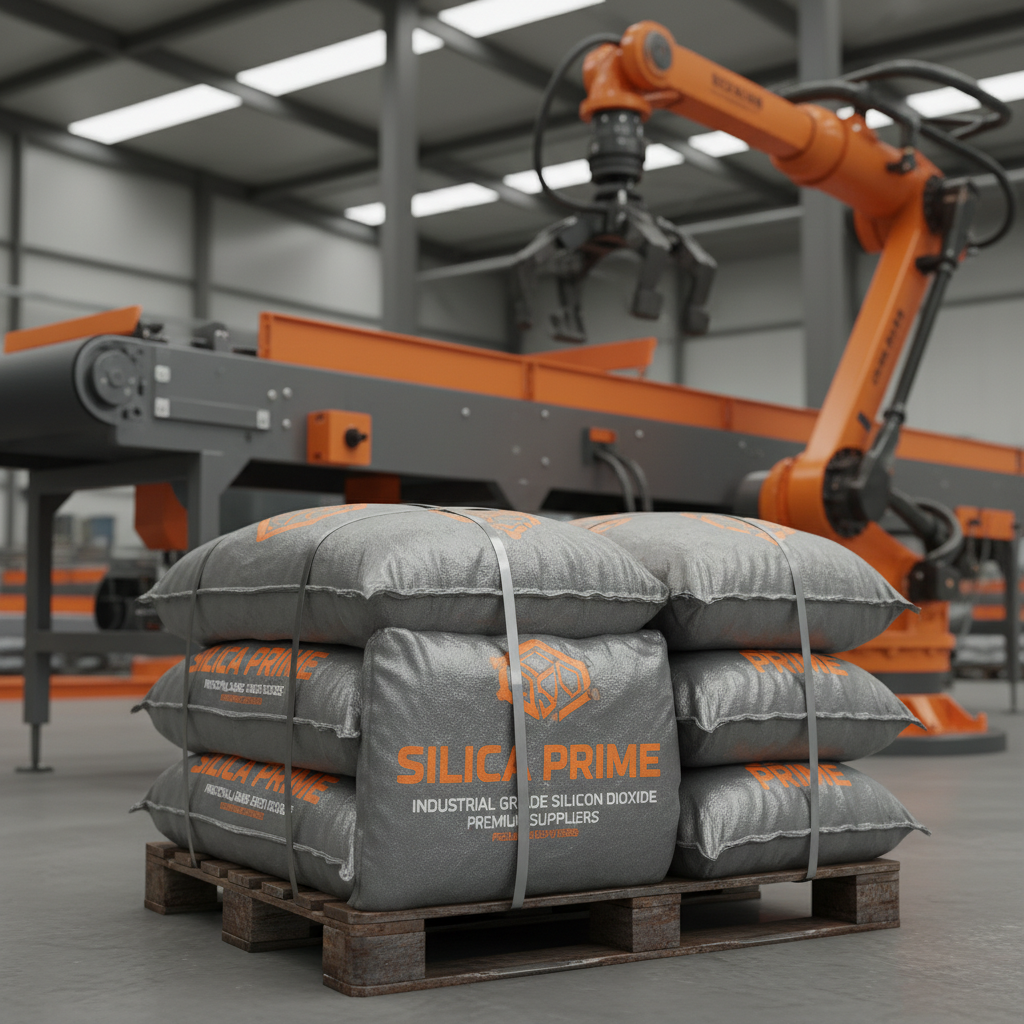
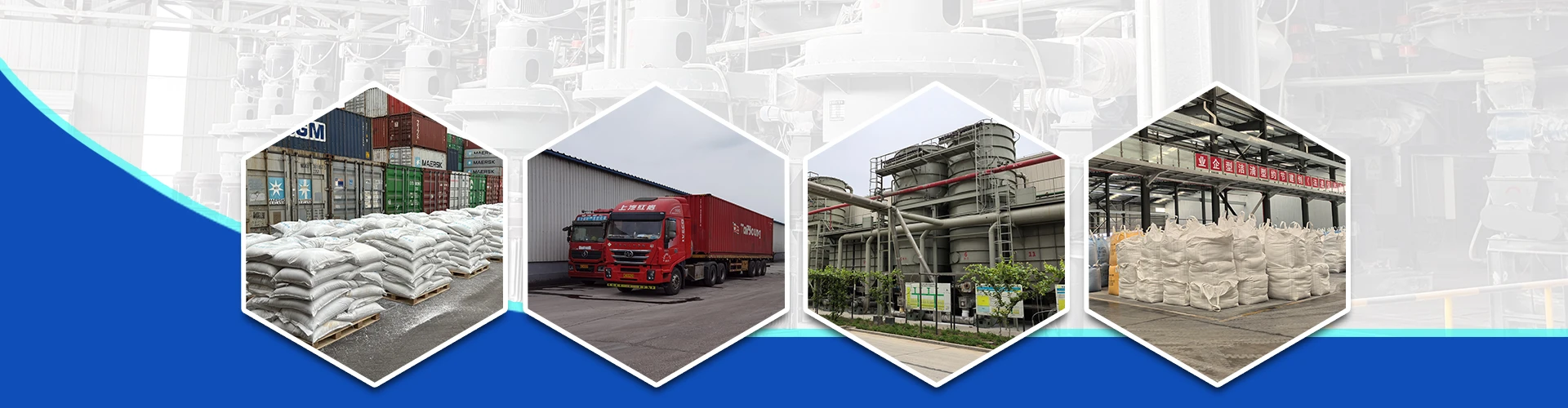
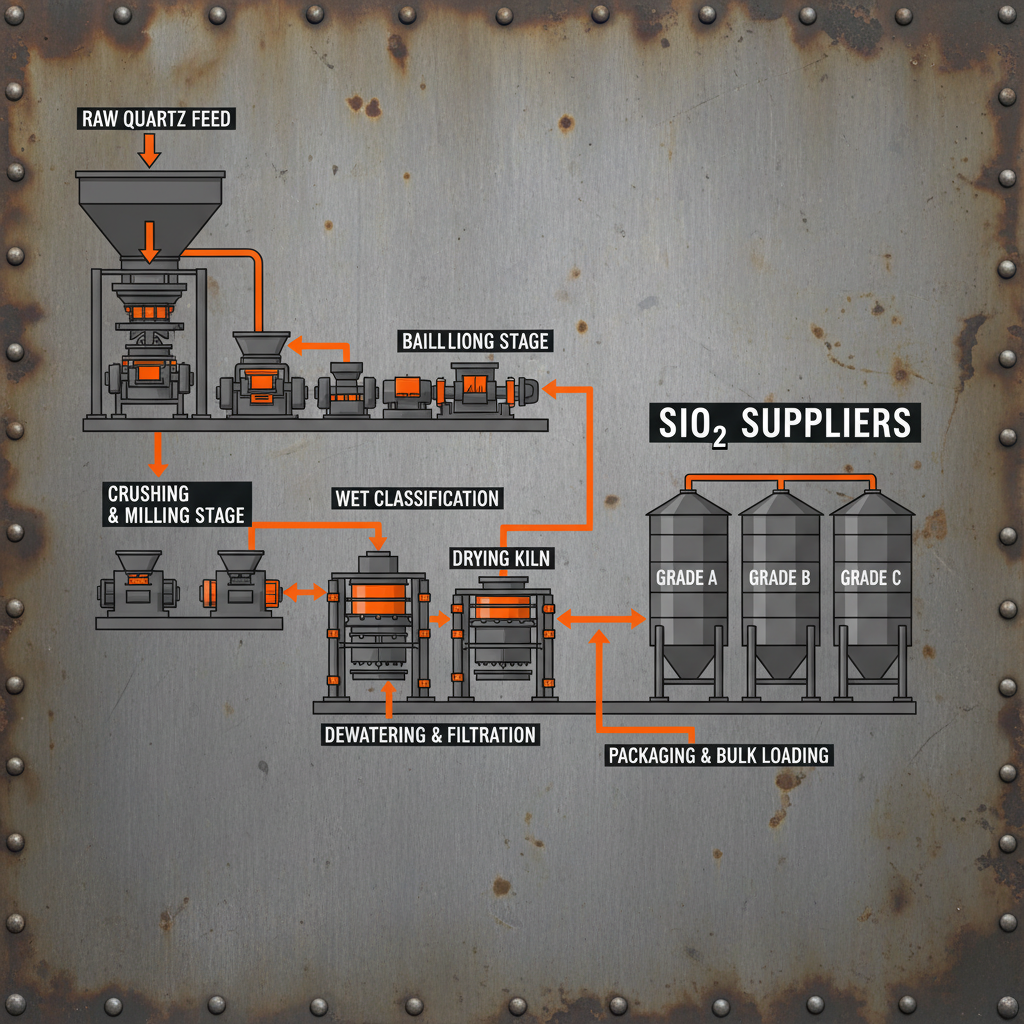
In the current economic climate, the ability of sio2 suppliers to maintain a consistent supply chain is just as important as the product quality itself. Lead time variability can halt production lines, leading to significant financial losses. When vetting partners, inquire about their sourcing methods—do they own the mines, or are they distributors? Suppliers with vertical integration typically offer better price stability and more reliable delivery schedules. Furthermore, look for those who provide flexible packaging options (from 25kg bags to bulk silos) and have experience with international logistics and customs clearance to ensure a seamless flow of materials.
Testing and Quality Control Standards
Rigorous quality control (QC) is the hallmark of top-tier sio2 suppliers. Modern facilities utilize X-ray Fluorescence (XRF) and Inductively Coupled Plasma (ICP) spectroscopy to verify elemental composition. Beyond chemical purity, physical properties like the Specific Surface Area (SSA) and Particle Size Distribution (PSD) are vital. If the particles are too coarse, they may cause abrasions in machinery; if too fine, they may clump and affect the homogeneity of a mixture. A trustworthy supplier will offer sample batches for client-side testing before committing to large-volume contracts.
Evaluating Cost vs. Value in SiO2 Sourcing
While it is tempting to choose the lowest bid among various sio2 suppliers, a "cheap" material can often become the most expensive mistake. Poorly processed silicon dioxide may contain moisture or organic impurities that lead to bubbling in glass or cracks in ceramic glazes. Instead, focus on the Total Cost of Ownership (TCO). This includes the purchase price, shipping costs, the cost of quality testing, and the potential risk of production downtime. Suppliers who provide technical support and guidance on material optimization often provide more value than those who simply sell a commodity.
Sustainability and Environmental Compliance
As global regulations on mining and processing tighten, the environmental footprint of your sio2 suppliers becomes a reflection of your own corporate social responsibility. Ethical sourcing, reduction of carbon emissions during transport, and waste-water treatment in the refining process are now key KPIs. Many leading companies are shifting toward suppliers who hold ISO 14001 certification. By partnering with environmentally conscious suppliers, you not only protect the planet but also safeguard your business against future regulatory penalties and improve your brand image in the eyes of eco-conscious consumers.
Conclusion: Securing Your Production with Premium SiO2
Selecting the right sio2 suppliers is a strategic decision that influences every stage of your manufacturing cycle. From ensuring extreme purity for high-tech applications to securing a stable supply chain for industrial output, the quality of your silicon dioxide is non-negotiable. By focusing on certified purity, technical specifications, and ethical sourcing, you can optimize your production efficiency and enhance product quality. Partner with a supplier that views your success as their own, ensuring a sustainable and prosperous business relationship.
Frequently Asked Questions (FAQs)
What should I look for in a Certificate of Analysis (CoA) from SiO2 suppliers?
A professional CoA should clearly list the percentage of SiO2 purity and the maximum allowable limits for impurities such as Al2O3, Fe2O3, and TiO2. Additionally, it should specify the testing method used (e.g., XRF or ICP). Ensure the CoA is batch-specific rather than a "typical" value sheet, as this guarantees that the specific shipment you receive has been tested and verified against your required specifications.
How does particle size affect the performance of silicon dioxide?
Particle size determines the surface area and reactivity of the material. Ultra-fine or nano-sized SiO2 is often used as a thickening agent or for high-precision electronic coatings because of its high surface energy. Conversely, coarser grains are preferred in refractory materials to provide structural strength and heat resistance. If the particle size is inconsistent, it can lead to uneven mixing, voids in cast materials, or unexpected shrinkage during the firing process in ceramics.
Can I request custom specifications from my SiO2 suppliers?
Yes, many top-tier sio2 suppliers offer customized grinding and purification services. If your application requires a specific mesh size or a particular purity threshold not found in standard grades, a professional supplier can adjust their processing parameters to meet your needs. It is recommended to start with a small trial order to validate that the custom specification performs as expected in your specific production environment.
What are the shipping considerations for bulk SiO2?
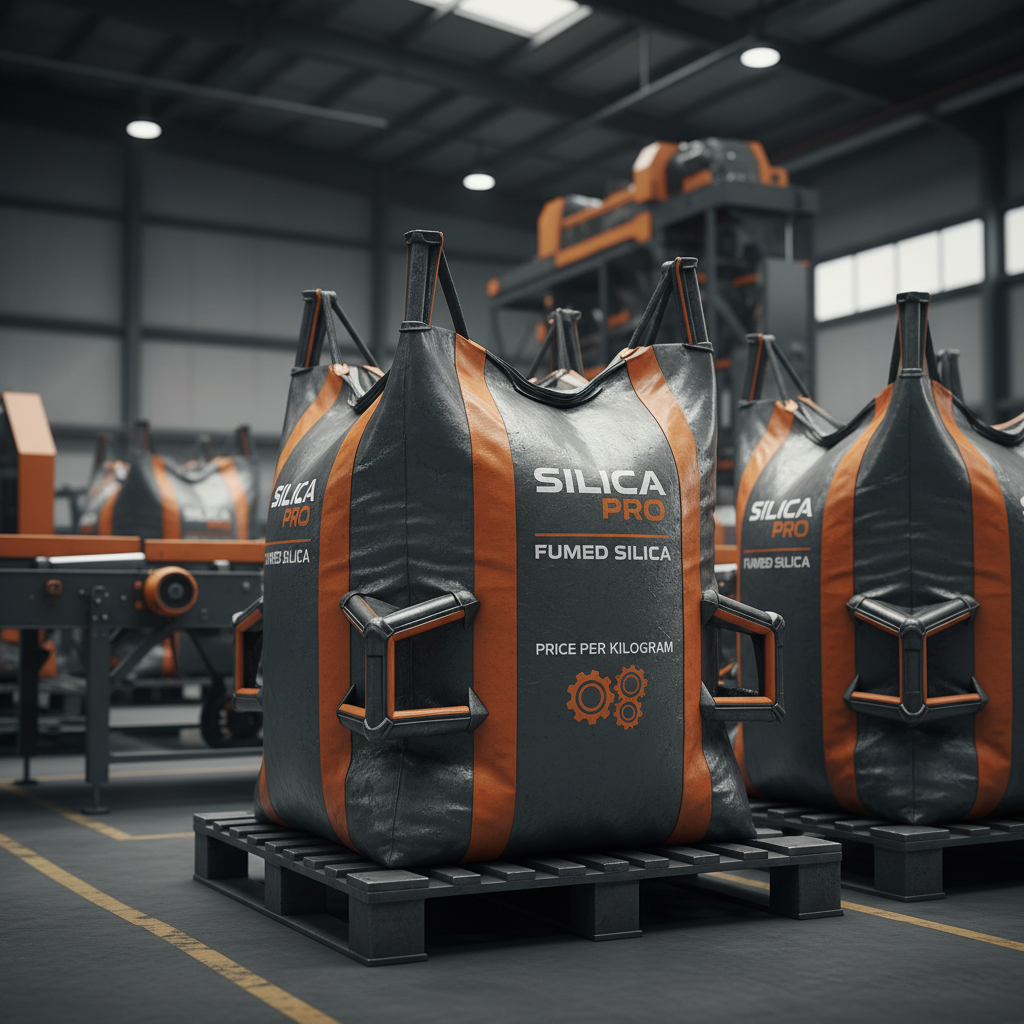
SiO2 is a heavy material, so freight costs can be a significant portion of the total expense. To optimize costs, consider bulk bags (super sacks) or containerized shipping. It is also crucial to ensure moisture-proof packaging, as absorbed water can cause the powder to clump and alter the weight and purity calculations. Always verify that your supplier uses pallets and wrapping that comply with international shipping standards (such as ISPM 15) to avoid delays at customs.