


Hydrophobic Fumed Silica for Sale: A Comprehensive Guide
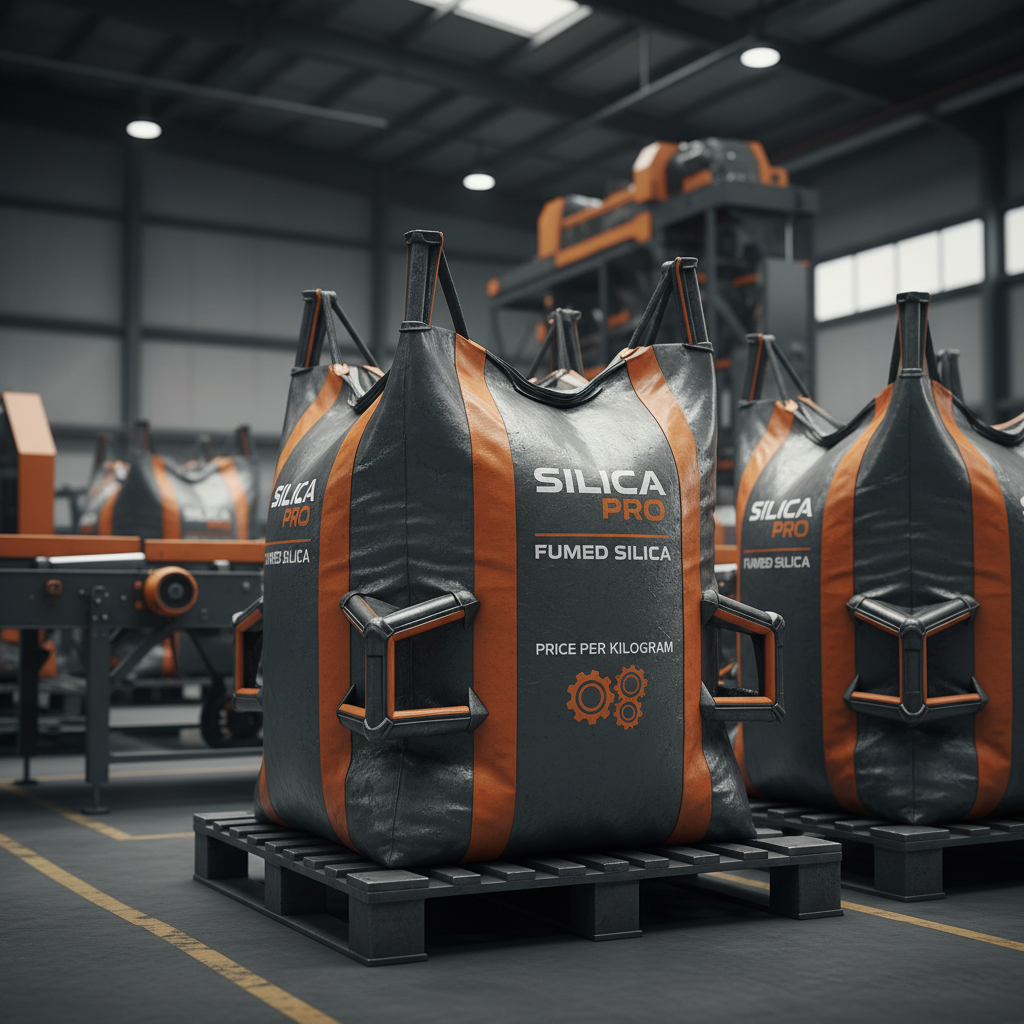
Hydrophobic fumed silica is a versatile material used in a wide range of industrial applications, from paints and coatings to adhesives and sealants. Its unique properties – particularly its hydrophobicity – make it a highly sought-after additive. This article delves into the uses, benefits, and sourcing of hydrophobic fumed silica, offering insights for businesses looking to improve their product performance. Understanding the nuances of this material is crucial for optimizing its effectiveness and ensuring quality in your final products.

What is Hydrophobic Fumed Silica?
Fumed silica, also known as pyrogenic silica, is produced through the high-temperature hydrolysis of silicon tetrachloride. The resulting powder is composed of amorphous silicon dioxide particles. Hydrophobic fumed silica undergoes a surface treatment process, typically with silanes, to replace the surface hydroxyl groups with hydrophobic groups. This modification dramatically alters the silica’s behavior, making it repel water instead of absorbing it. This characteristic is crucial for enhancing the performance of various materials by improving their water resistance, flow control, and anti-settling properties. It is distinct from hydrophilic fumed silica which readily absorbs water.
Key Highlights: Hydrophobic modification dramatically alters silica’s behavior, repelling water instead of absorbing it. Crucial for enhancing water resistance, flow control, and anti-settling properties.
Applications of Hydrophobic Fumed Silica
The unique properties of hydrophobic fumed silica make it a valuable additive in a multitude of industries. In paints and coatings, it improves scratch resistance, anti-sagging properties, and weatherability. Within the adhesives and sealants sector, it controls viscosity, prevents settling of pigments, and enhances bond strength. Furthermore, it’s used in cosmetics to improve texture and feel, in printing inks to control rheology, and in pharmaceutical formulations as a flow aid. Its ability to modify surface tension and improve dispersion makes it incredibly versatile. Hezhen Kaolin offers a range of grades tailored to specific application needs.
Application Benefits:
• Improved scratch resistance in coatings
• Prevents pigment settling in adhesives and sealants
• Enhanced texture and feel in cosmetics
• Controlled rheology in printing inks
Hydrophobic vs. Hydrophilic Fumed Silica: Key Differences
The primary difference between hydrophobic and hydrophilic fumed silica lies in their surface properties. Hydrophilic fumed silica readily attracts and absorbs water, forming a paste-like consistency when mixed with it. This makes it suitable for applications where water absorption is desired, such as thickening aqueous systems. In contrast, hydrophobic fumed silica repels water, creating a free-flowing powder that disperses easily in organic solvents. This is essential for maintaining viscosity control and preventing settling in non-aqueous formulations. Choosing the right type of silica is crucial for achieving the desired performance characteristics in your final product.
Choosing the Right Supplier: Hezhen Kaolin
When sourcing hydrophobic fumed silica for sale, it’s vital to choose a reputable supplier who can guarantee quality and consistency. Hezhen Kaolin offers a comprehensive range of fumed silica products, meticulously manufactured to meet stringent industry standards. We provide detailed product specifications, technical support, and reliable supply chain management. Our commitment to customer satisfaction makes us a trusted partner for businesses seeking high-performance materials.
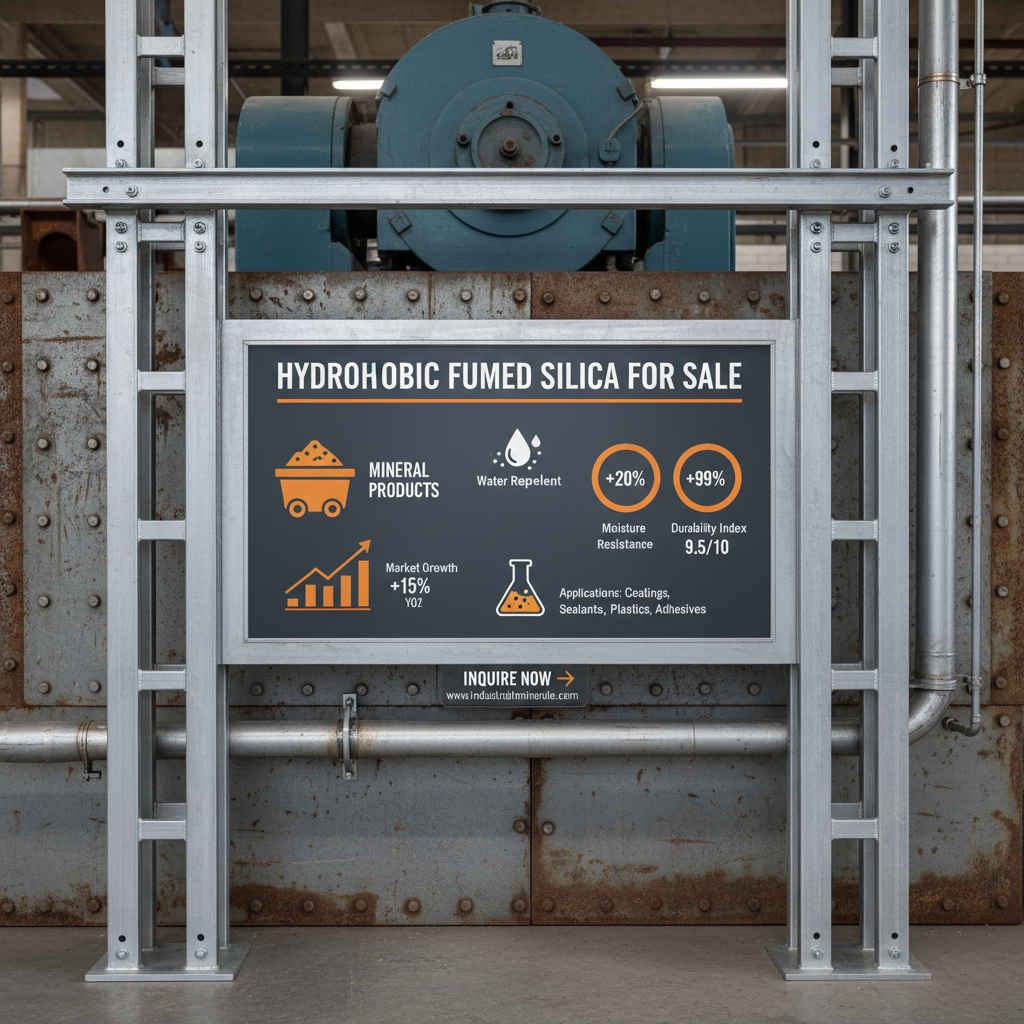
Product Specifications & Grades
We offer a variety of hydrophobic fumed silica grades, each designed for specific applications. Below is a summary of common specifications:
Conclusion: Elevate Your Products with Hydrophobic Fumed Silica
Investing in high-quality hydrophobic fumed silica is a strategic move for businesses aiming to enhance product performance and gain a competitive edge. Its versatile properties make it an invaluable additive across numerous industries. Hezhen Kaolin is committed to providing superior products, reliable service, and expert technical support to help you achieve your goals.
Frequently Asked Questions (FAQs)
What is the typical particle size of hydrophobic fumed silica?
The particle size of hydrophobic fumed silica typically ranges from 7 to 40 nanometers. The specific particle size distribution can vary depending on the manufacturing process and grade. Smaller particle sizes generally offer higher surface area and improved dispersion characteristics, while larger particles may provide better handling properties. The precise particle size is an important consideration when selecting the appropriate grade for your specific application. We provide detailed particle size analysis data with our product specifications.
How is hydrophobic fumed silica different from treated clay?
While both hydrophobic fumed silica and treated clay can impart water resistance, they differ significantly in their composition and properties. Hydrophobic fumed silica is composed of highly pure silicon dioxide particles, offering excellent chemical resistance and thermal stability. Treated clay, on the other hand, is a naturally occurring mineral that has been surface-modified to repel water. Fumed silica generally provides superior performance in terms of rheology control, transparency, and thermal stability, making it the preferred choice for demanding applications.
What safety precautions should be taken when handling hydrophobic fumed silica?
Hydrophobic fumed silica is generally considered a safe material, but it's important to handle it with care. As with any fine powder, inhalation should be avoided. We recommend wearing a dust mask or respirator during handling. Eye protection is also advised to prevent irritation. Ensure adequate ventilation in the work area. Refer to the Safety Data Sheet (SDS) for detailed safety information and handling procedures.