

Understanding Nonmetallic Minerals: A Comprehensive Guide
Nonmetallic minerals are essential components in a vast array of industries, from construction and agriculture to electronics and pharmaceuticals. These naturally occurring substances, lacking the metallic properties of ores, are critical for modern life. This article will delve into the world of nonmetallic minerals, exploring their types, applications, and importance in global trade. Understanding these minerals is key to appreciating their contribution to numerous sectors and recognizing the crucial role of suppliers like Hezhen Kaolin.
What are Nonmetallic Minerals?
Nonmetallic minerals are naturally occurring substances that do not contain metals. They’re broadly classified by their chemical composition and physical properties. Unlike metallic minerals, they generally lack luster, are poorer conductors of electricity, and are less malleable. Common examples include clay, gypsum, limestone, sand, gravel, and talc. These materials are fundamental building blocks for many industries and contribute significantly to our daily lives. Hezhen Kaolin specializes in high-quality kaolin, a key nonmetallic mineral, catering to diverse industrial needs.
Key Characteristics: Lacking metallic properties, poor conductors of electricity, and generally non-malleable. These minerals are often used for their physical and chemical properties rather than their inherent value as metals.
Types of Nonmetallic Minerals
The range of nonmetallic minerals is extensive. They can be categorized into several groups, including industrial minerals, sedimentary rocks, and certain types of gemstones. Industrial minerals, like kaolin, feldspar, and quartz, are used extensively in manufacturing processes. Sedimentary rocks, such as limestone and sandstone, are vital in construction. Gemstones, while often valued for their beauty, also possess unique physical properties applicable in specialized industries. Hezhen Kaolin focuses on providing superior kaolin for diverse applications, demonstrating the importance of specialized mineral suppliers.
Common Nonmetallic Mineral Categories:
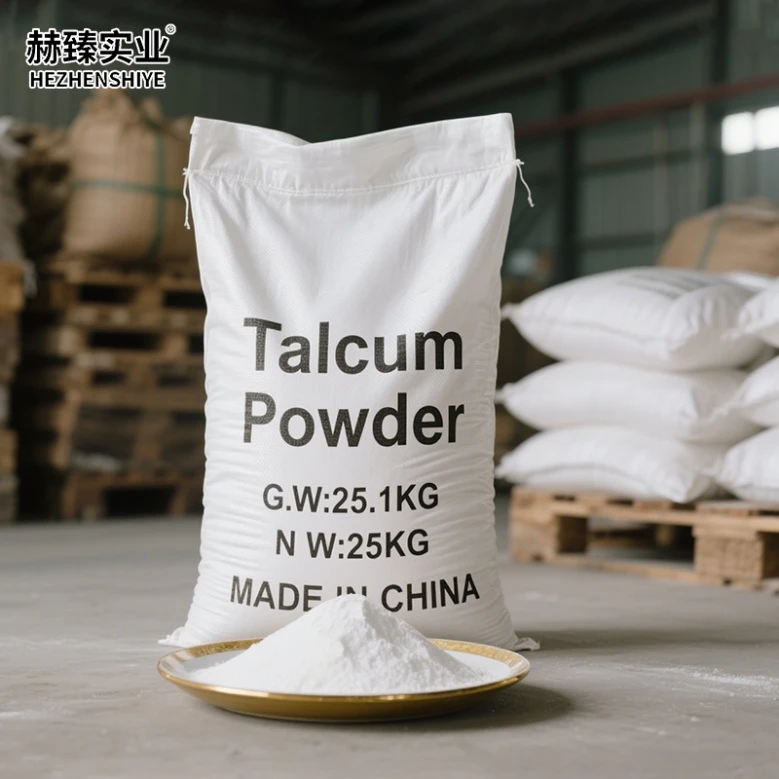
• Industrial Minerals: Kaolin, Feldspar, Quartz, Talc
• Sedimentary Rocks: Limestone, Sandstone, Shale
• Gemstones: Diamond, Ruby, Sapphire
Applications of Nonmetallic Minerals
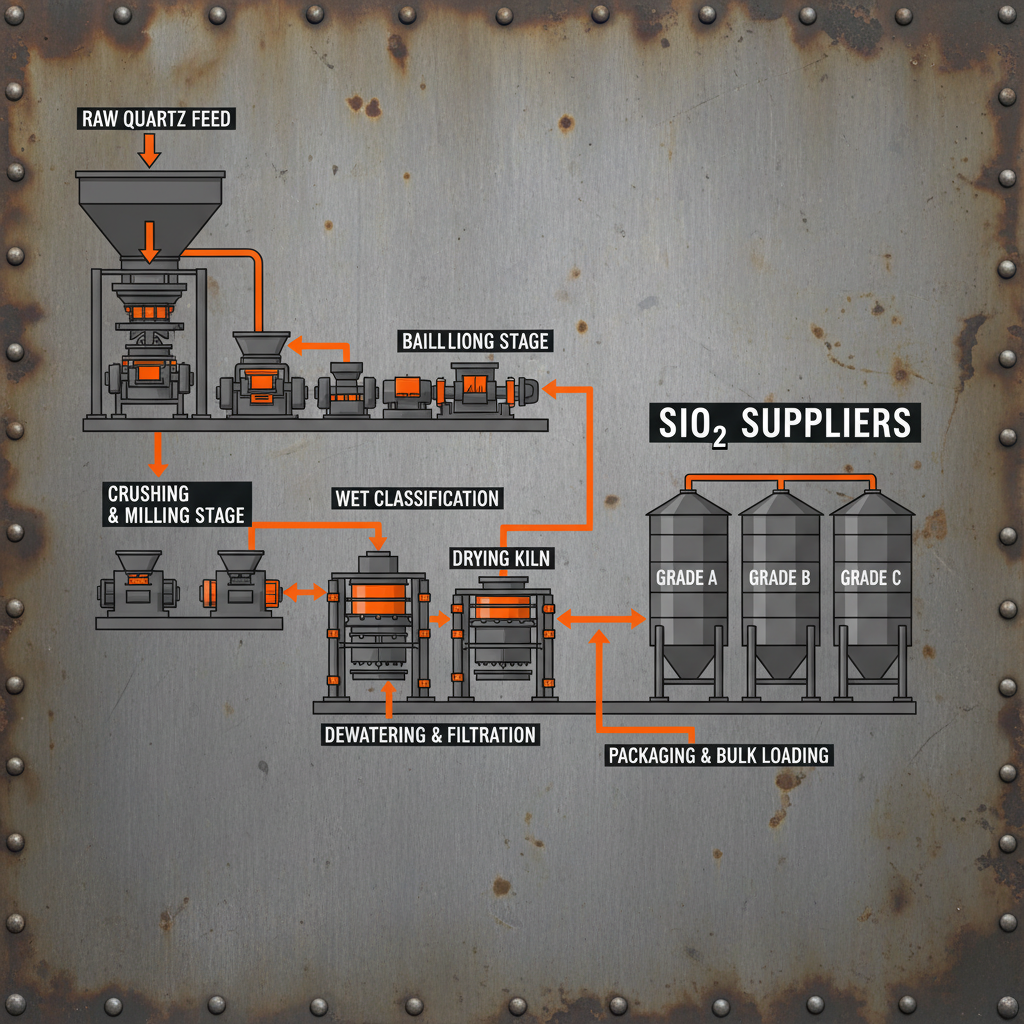
The applications of nonmetallic minerals are remarkably diverse. Kaolin, for example, is extensively used in paper manufacturing, ceramics, paints, and rubber production. Limestone is a key ingredient in cement and is also used in agriculture for soil conditioning. Silica sand is crucial for glassmaking and foundries. The demand for these minerals continues to grow alongside industrial development and population increase. Hezhen Kaolin's commitment to consistent quality and reliable supply ensures that industries can maintain their production processes effectively.
Global Trade and the Nonmetallic Mineral Market
The global trade in nonmetallic minerals is a significant aspect of the global economy. Countries with abundant reserves, such as China, the United States, and Brazil, are major exporters. Demand is driven by industrializing nations, especially in Asia and the Middle East. The market is subject to fluctuations based on economic conditions, transportation costs, and geopolitical factors. The quality and consistency of the mineral supply chain are paramount for industries that rely on these materials. Hezhen Kaolin is strategically positioned to meet the evolving needs of the international market.
The Future of Nonmetallic Mineral Exploration & Sustainability
As the world moves towards sustainable practices, the nonmetallic mineral industry is facing increasing scrutiny. Responsible mining, resource management, and reducing the environmental impact of processing are key priorities. Technological advancements in exploration and extraction techniques are crucial for minimizing waste and maximizing efficiency. Companies like Hezhen Kaolin are committed to environmentally conscious operations and sustainable sourcing practices.
Conclusion: The Indispensable Role of Nonmetallic Minerals
Nonmetallic minerals are the unsung heroes of modern industry. From the paper we write on to the buildings we inhabit, these essential materials are integral to our daily lives. Companies like Hezhen Kaolin play a crucial role in providing high-quality minerals that power a multitude of industries. Understanding the importance of these resources and embracing sustainable practices will ensure their continued availability for generations to come.
Frequently Asked Questions (FAQs)
What are the main environmental concerns associated with nonmetallic mineral mining?
Mining activities, even for nonmetallic minerals, can lead to several environmental concerns. These include habitat destruction, soil erosion, water contamination, and air pollution from dust and emissions. Responsible mining practices, such as land reclamation, water treatment, and dust control measures, are essential to mitigate these impacts. Sustainable sourcing and adherence to environmental regulations are increasingly important for minimizing the environmental footprint of the industry. Companies are also exploring innovative technologies to reduce waste and improve efficiency.
How does kaolin differ from other types of clay?
Kaolin is a specific type of clay mineral, known for its bright white color and fine particle size. Unlike other clays, such as bentonite or montmorillonite, kaolin is primarily composed of the mineral kaolinite. This composition gives kaolin unique properties like low plasticity, high chemical inertness, and excellent coverage. These characteristics make it particularly suitable for applications in paper coating, ceramics, and paints, where whiteness and purity are critical. Hezhen Kaolin specializes in producing high-quality kaolin tailored to specific industrial requirements.
What is the role of nonmetallic minerals in sustainable construction?
Nonmetallic minerals play a crucial role in sustainable construction by providing essential materials with lower environmental impacts compared to some alternatives. Limestone is a key ingredient in cement, a fundamental construction material. Silica sand is used in concrete. Clay minerals, like kaolin, can be incorporated into bricks and other building components. Utilizing locally sourced materials and adopting efficient production processes can further reduce the carbon footprint of construction projects. Research and development are focused on creating more sustainable construction materials using nonmetallic minerals.