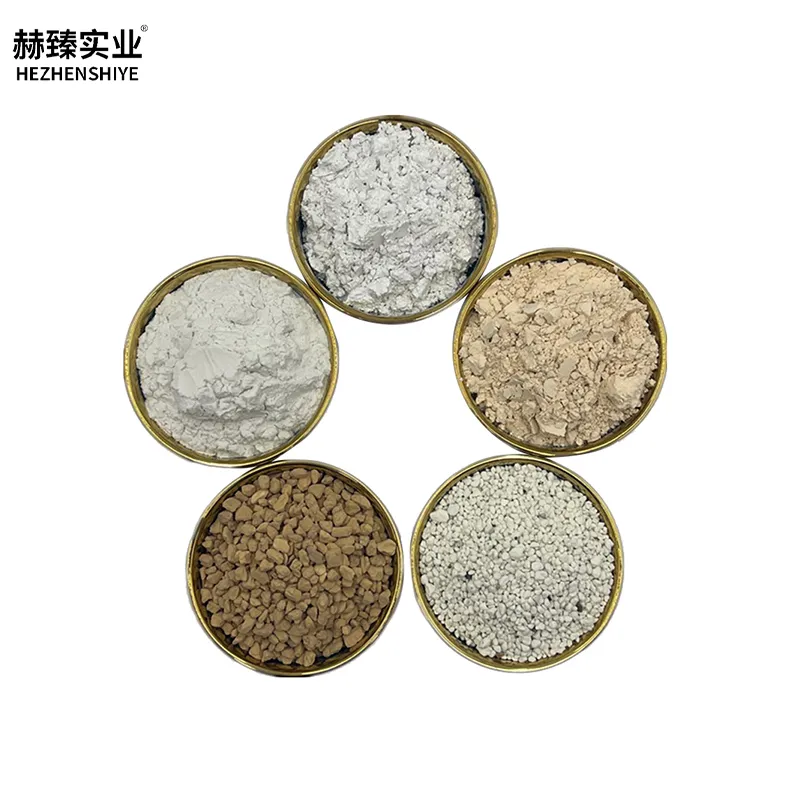
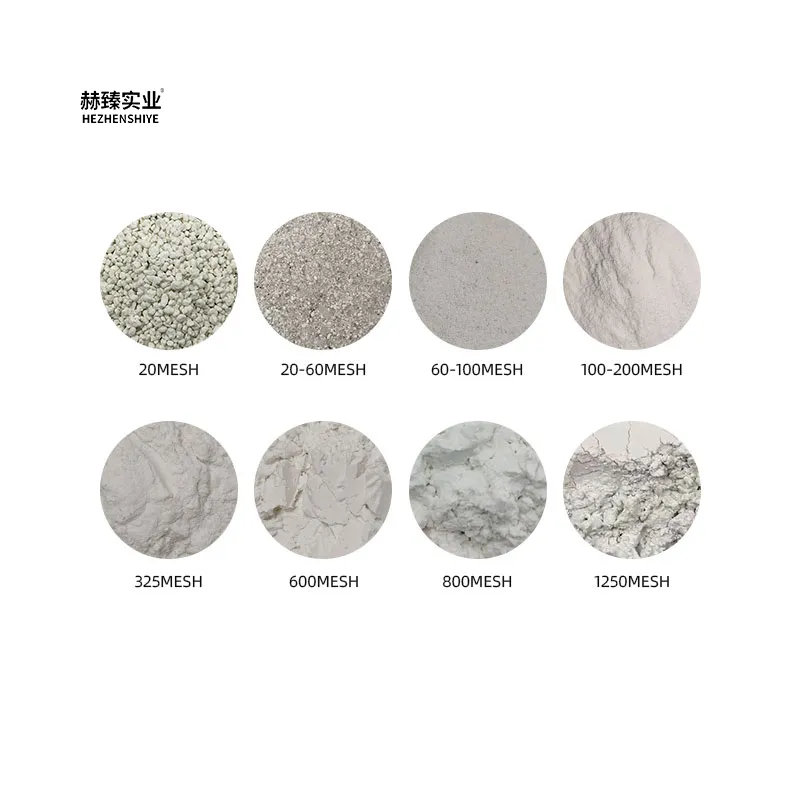
With a SiO₂ content exceeding 90% and low acid solubility, 200-mesh diatomite powder meets stringent industrial standards. Its cost-effectiveness, scalability, and adaptability across sectors—from environmental remediation to energy production—underscore its role as a cornerstone material in modern industrial processes.

Diatomaceous earth, also widely recognized as diatomite, is a naturally formed siliceous sedimentary rock that originates specifically from the fossilized skeletal remains of diatoms—microscopic, single-celled aquatic algae that possess intricate, silica-based shells known as frustules. These tiny diatoms thrive in various aquatic environments, ranging from oceans and lakes to rivers and ponds, and as they complete their life cycles, their frustules sink to the bottom of these water bodies. Over the course of millions of years, these accumulated frustules undergo gradual geological processes, including compaction under the weight of overlying sediments and mild cementation by minerals dissolved in water, eventually forming solid, layered diatomaceous earth deposits. These deposits are typically mined from quarries or open pits and then subjected to different processing techniques, such as crushing, drying, and in some cases calcination, to produce forms suitable for diverse applications. One of the most distinctive and valuable features of diatomaceous earth is its highly porous structure, a direct inheritance from the complex, honeycomb-like architecture of diatom frustules that remains intact even after fossilization. This unique porous configuration, characterized by an enormous internal surface area relative to its volume, endows diatomaceous earth with a suite of exceptional physical and chemical properties, rendering it a valuable material across a wide spectrum of industrial sectors.
The inherent porous nature of diatomaceous earth is the primary driver behind its remarkable adsorption capacity—a property that stands out among natural materials. Its intricate network of tiny pores acts like a molecular sponge, enabling it to trap and retain a wide range of substances, including liquids, gases, and even microscopic solid particles, with remarkable efficiency. This superior adsorption capability makes diatomaceous earth a preferred choice in numerous adsorption-focused applications across different industries. A prominent example lies in wastewater treatment, where diatomaceous earth plays a crucial role in purifying both industrial effluents and domestic wastewater. Industrial wastewater often contains various contaminants such as heavy metal ions, organic dyes from textile factories, and petroleum-based hydrocarbons from manufacturing processes, while domestic wastewater carries suspended solids, organic matter, and residual detergents. When introduced into wastewater treatment systems, diatomaceous earth particles disperse evenly, and their porous surfaces attract and bind these impurities, forming larger aggregates that can be easily separated through sedimentation or filtration. By effectively capturing suspended solids and harmful substances, diatomaceous earth helps to significantly reduce the pollutant load of wastewater before it is discharged into natural water bodies or reused for non-potable purposes like irrigation or industrial cooling. This application aligns perfectly with the growing global emphasis on water conservation and environmental protection, as diatomaceous earth offers a natural, cost-effective, and eco-friendly solution that avoids introducing synthetic chemicals into water systems, thereby minimizing secondary pollution risks.
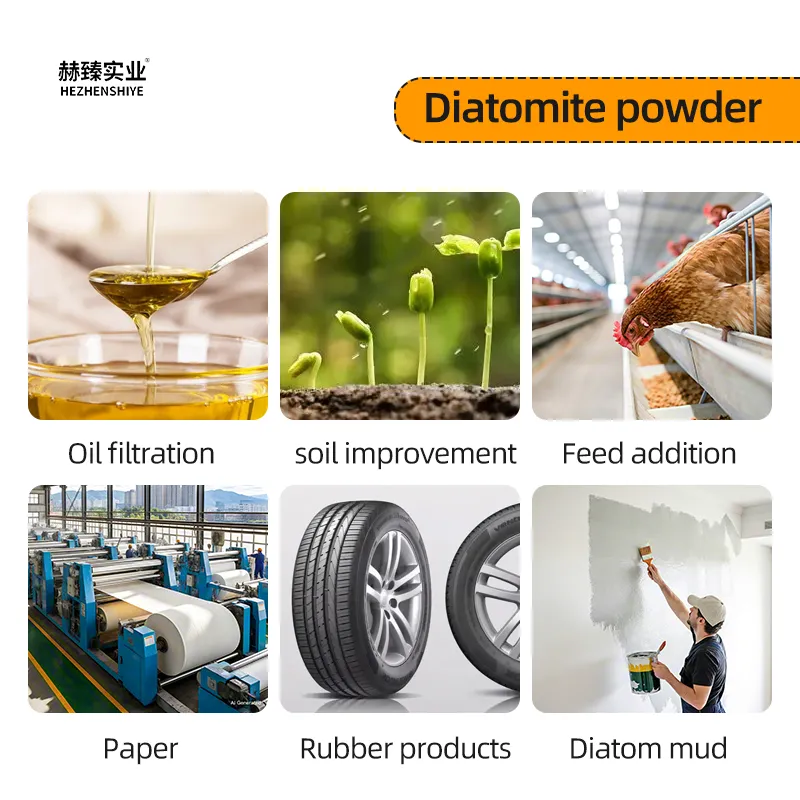
Another core application area where diatomaceous earth excels is filtration, a function closely tied to its porous structure. Unlike many conventional filter media, the porous framework of diatomaceous earth consists of interconnected, microscopic channels that create a highly effective barrier for capturing even ultra-fine particles—often as small as a few micrometers—that might pass through other filtering materials. This makes it an indispensable filter medium in a variety of industrial filtration processes. For instance, in industrial settings, diatomaceous earth is extensively used to clarify liquids such as lubricating oils, hydraulic fluids, and various chemical solutions. In the oil and gas industry, it is employed to filter crude oil derivatives to remove particulate impurities that could damage machinery or compromise product quality. It is also utilized in filtering non-food beverages, such as certain industrial-grade plant extracts or herbal infusions used in non-food products, where clarity and purity are essential. Beyond industrial applications, diatomaceous earth is a staple in swimming pool filtration systems. Pool water often contains tiny debris like dust, pollen, and fragmented algae that standard filter sands struggle to capture. When added to pool filters, diatomaceous earth coats the filter grids, forming a thin, porous layer that acts as a fine sieve, trapping these minute particles and leaving the water crystal clear. To further enhance its filtration performance, diatomaceous earth can undergo calcination—a thermal processing method where it is heated to high temperatures in a controlled environment. This process removes organic impurities from the pores, expands the pore size slightly, and increases the material’s overall porosity, thereby boosting its ability to capture particles and improving filtration efficiency.
Diatomaceous earth also holds a prominent position in the building materials industry, thanks to its unique combination of lightweight, insulating, and moisture-regulating properties that make it an ideal additive in a wide range of construction products. Its low density stems from its porous structure, which reduces the overall weight of building materials without sacrificing structural integrity—an important factor in modern construction that aims to minimize structural load and improve energy efficiency. In wall materials, such as interior wall panels and decorative boards, diatomaceous earth is added to enhance thermal insulation, helping to reduce heat transfer between indoor and outdoor environments. This, in turn, lowers energy consumption for heating and cooling systems, aligning with global efforts to promote energy-efficient buildings. It is also incorporated into floor fillers and underlayment products, where its lightweight nature makes installation easier while its soundproofing properties help to reduce noise transmission between floors. In exterior coatings and paints, diatomaceous earth improves weather resistance and durability, while also contributing to thermal insulation of building exteriors. In green building practices, which prioritize environmental sustainability and indoor air quality, diatomaceous earth-based materials are particularly sought after. Their natural composition ensures they do not release harmful volatile organic compounds (VOCs) into the air, and their excellent moisture regulation capabilities set them apart from conventional building materials. These materials can actively absorb excess moisture from humid indoor air, preventing condensation and mold growth, and then release the stored moisture back into the air when humidity levels drop effectively maintaining a balanced indoor humidity range of 40% to 60%, which is optimal for human comfort. This unique feature has driven a surge in demand for diatomaceous earth in regions where green building certifications, such as LEED or BREEAM, are widely adopted and promoted.
Beyond these mainstream application areas—wastewater treatment, filtration, and building materials—diatomaceous earth serves as a versatile functional additive in a diverse array of industrial products, leveraging its porous structure, chemical inertness, and physical stability. In the plastics and rubber industries, it is commonly used as an inorganic filler. When incorporated into plastic resins or rubber compounds, diatomaceous earth particles disperse uniformly, reinforcing the material’s mechanical properties such as tensile strength, hardness, and impact resistance. At the same time, it reduces the amount of expensive base polymers needed, thereby lowering overall material costs without compromising product quality. This makes it a cost-effective additive in products ranging from plastic pipes and containers to rubber tires and seals. In the coatings and paints industry, diatomaceous earth acts as an effective matting agent. Its porous particles scatter light that hits the surface of dried paint, reducing gloss and creating a smooth, matte finish that is highly desired in architectural coatings, furniture paints, and industrial coatings. The concentration of diatomaceous earth can be adjusted to achieve different levels of matte effect, offering flexibility to manufacturers. Additionally, diatomaceous earth functions as a stable carrier for catalysts in various chemical reactions. Its large surface area provides ample sites for catalysts to attach, and its inert nature ensures it does not react with the reactants or products of the reaction. This is particularly useful in petroleum refining, where diatomaceous earth-supported catalysts help break down heavy hydrocarbons into lighter fuels, and in chemical synthesis processes, where they enhance reaction efficiency and selectivity. These diverse applications across multiple industries not only highlight the versatility of diatomaceous earth but also underscore its ability to adapt to the specific needs of different manufacturing processes.





 Banner PDF
 Get A Quote