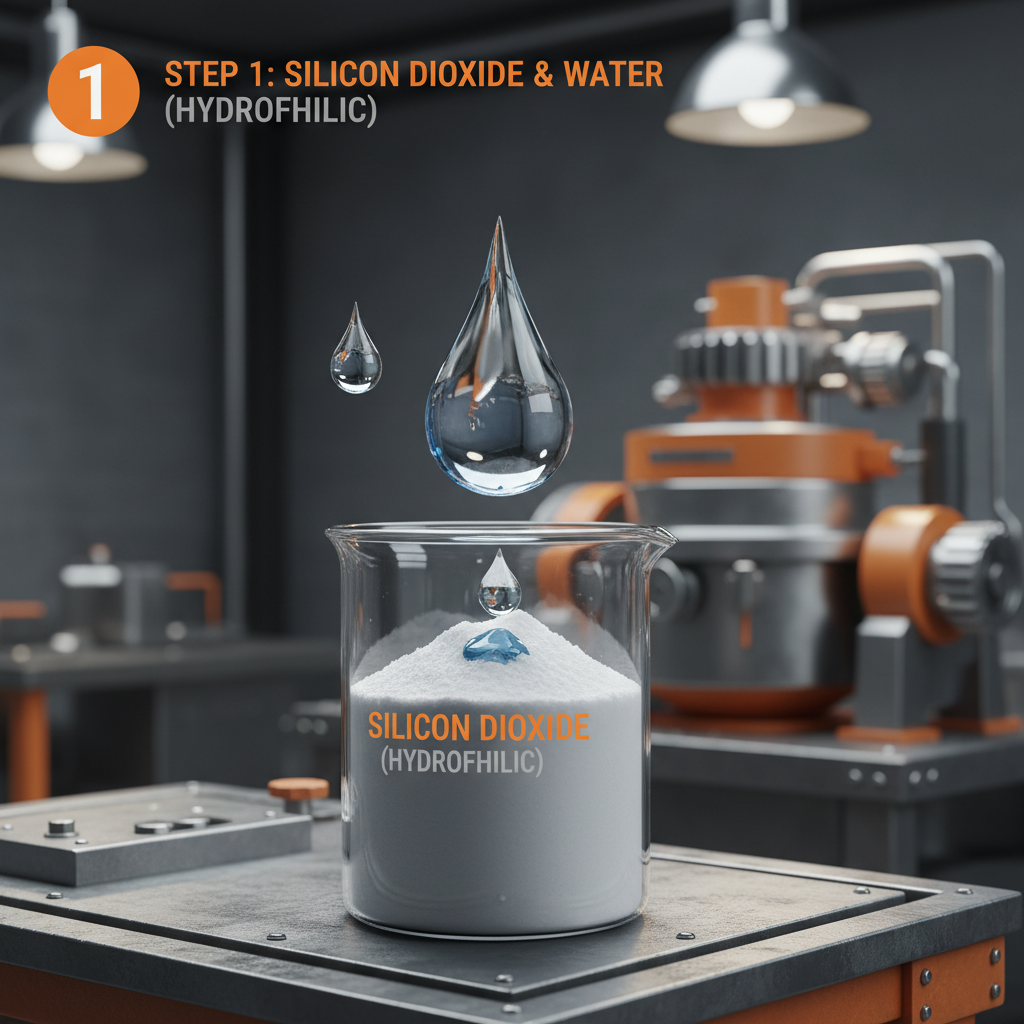
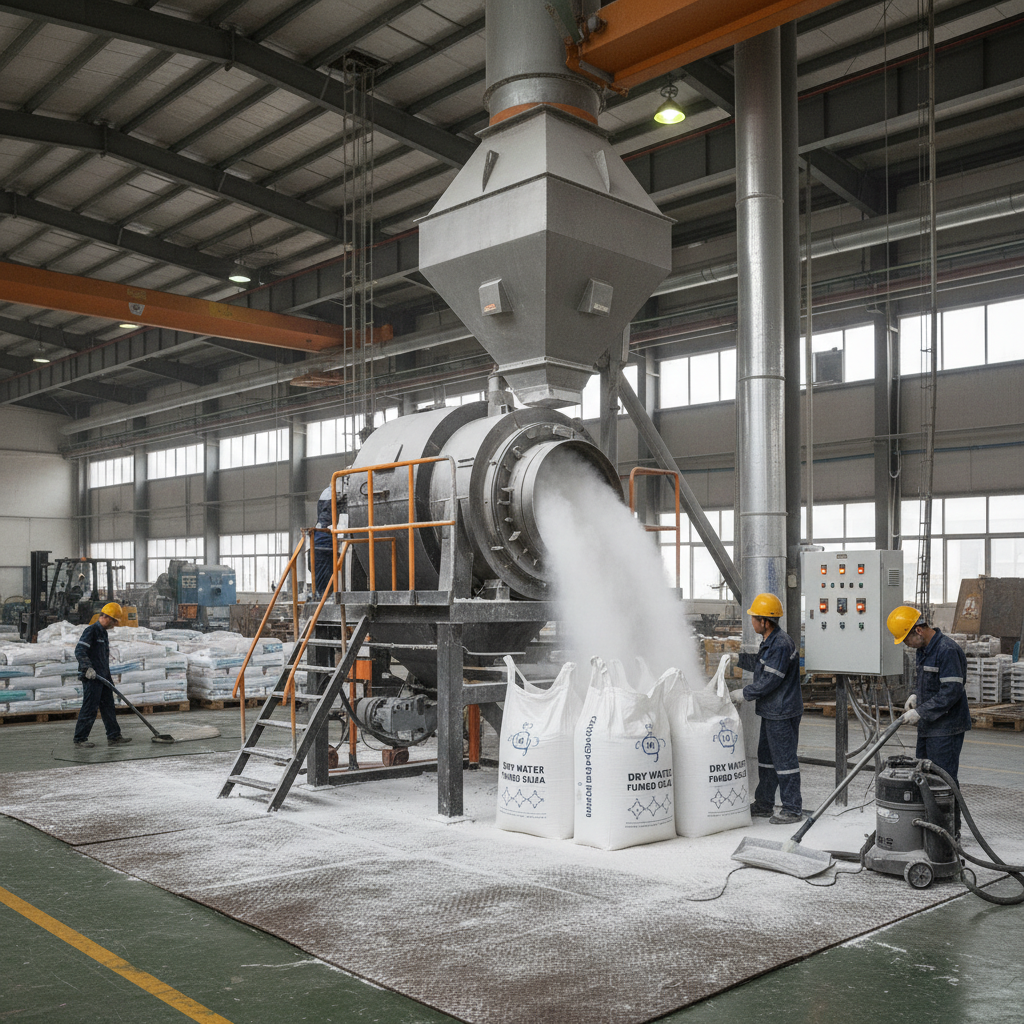
In the landscape of industrial materials, silica and silicon dioxide stand as fundamental pillars that support a vast array of manufacturing processes. From the precision of high-tech electronics to the robustness of construction materials, these compounds provide the essential chemical stability and physical strength required for modern infrastructure. Understanding the nuance between various forms of these materials is not merely a technical necessity but a commercial advantage for companies seeking to optimize product performance and durability.
Globally, the demand for high-purity silicon-based compounds is surging as industries shift toward more sustainable and high-performance additives. The versatility of silica and silicon dioxide allows them to function as thickening agents, reinforcing fillers, and catalysts, making them indispensable in the production of polymers, ceramics, and specialty coatings. For procurement managers and engineers, sourcing the right grade of silica is critical to ensuring the structural integrity of the final product.
Beyond their basic chemical structure, these materials play a pivotal role in enhancing the efficiency of resource utilization. By integrating specialized silicon dioxide powders, manufacturers can reduce material waste and improve the thermal resistance of their products. This guide explores the technical depths and commercial applications of these materials, providing a comprehensive roadmap for those looking to leverage the power of mineral powder processing in the non-metallic mineral industry.
Global Relevance of Silica and Silicon Dioxide
The global market for silica and silicon dioxide is deeply intertwined with the growth of the urban construction and semiconductor industries. According to recent industrial data aligned with ISO quality standards, the demand for high-purity silica has grown exponentially as the world transitions toward "smart cities" and greener building materials. The ability of these minerals to provide high thermal stability and chemical inertness makes them a cornerstone of the global supply chain.
However, a significant challenge facing the industry is the consistency of purity across different mining regions. Variations in the mineral composition can lead to structural failures in high-stress applications, such as aerospace components or precision glassware. This has led to an increased reliance on advanced processing techniques to ensure that silicon dioxide powders meet the rigorous specifications required for modern high-tech manufacturing.
Defining the Nature of Silicon Dioxide
At its most basic level, silica and silicon dioxide refer to the compound SiO2, which is one of the most abundant minerals on Earth's crust. In the industrial context, it manifests in various forms, including crystalline quartz and amorphous silica. The primary difference lies in the atomic arrangement; while crystalline silica is highly ordered, amorphous silica is disordered, offering different properties such as increased reactivity and surface area for adsorption.
For the non-metallic mineral industry, the "meaning" of silica extends beyond a simple formula to its role as a functional filler. When integrated into other materials, it modifies viscosity, enhances hardness, and improves the flow characteristics of powders. This makes it a critical bridge between raw mineral extraction and the creation of high-value functional materials used in everything from toothpaste to tire rubber.
In humanitarian and infrastructure contexts, the purity of silicon dioxide is essential for creating safe, durable glass and ceramics. By refining these materials, industry leaders can produce heat-resistant panels for emergency shelters or high-strength insulators for power grids in remote industrial zones, directly impacting the safety and reliability of essential services globally.
Core Technical Components of Silica
One of the most critical factors when evaluating silica and silicon dioxide is Chemical Purity. High purity ensures that no trace metals interfere with the chemical reactions in catalysts or cause discoloration in optical glass. This dimension of quality is what separates commodity-grade sand from industrial-grade silica powder.
Surface Area and Porosity are equally vital. In applications like desiccants or chromatography, the internal structure of silicon dioxide determines its absorption capacity. By manipulating the pore size during the manufacturing process, engineers can create materials that target specific molecular sizes, optimizing the efficiency of filtration and purification systems.
Finally, Particle Size Distribution (PSD) dictates the scalability and application of the powder. Fine-milled silica is used for precision fillers in paints, whereas coarser grains are preferred for abrasive blasting or construction. Maintaining a tight PSD allows manufacturers to achieve consistent product density and a smoother finish in molded components.
Practical Industrial Applications
The application of silica and silicon dioxide spans multiple continents and diverse sectors. In Northern Europe and North America, it is extensively used in the production of high-performance tires, where precipitated silica reduces rolling resistance, thereby increasing fuel efficiency and reducing CO2 emissions. This application highlights the intersection of mineral science and environmental sustainability.
In the Asia-Pacific region, particularly in rapid-growth industrial zones, silicon dioxide is a key component in the electronics industry. It serves as the primary insulating layer in integrated circuits, enabling the miniaturization of chips that power smartphones and AI servers. Furthermore, in the construction of high-rise infrastructure, silica fume is used as a pozzolanic additive in concrete to increase compressive strength and reduce permeability.
Performance Ratings of Different Silica and Silicon Dioxide Types
Long-term Value and Sustainability
The long-term value of investing in high-quality silica and silicon dioxide lies in the reduction of life-cycle costs. Products engineered with superior silicon-based fillers exhibit higher wear resistance and thermal stability, which means fewer replacements and lower maintenance costs for the end-user. This creates a cycle of trust and reliability between the material supplier and the manufacturer.
From a sustainability perspective, the shift toward "green silica" is transforming the industry. By utilizing waste products from rice husks or other agricultural by-products to synthesize silicon dioxide, companies are reducing their reliance on energy-intensive mining. This innovation not only lowers the carbon footprint of the manufacturing process but also provides a new revenue stream for agricultural communities, blending industrial profit with social responsibility.
Future Innovations in Silicon Materials
The future of silica and silicon dioxide is being shaped by nanotechnology and digital transformation. We are seeing the rise of mesoporous silica nanoparticles (MSNs), which are being developed for targeted drug delivery systems in medicine. These materials can carry active pharmaceutical ingredients and release them in response to specific biological triggers, representing a leap from heavy industry to precision healthcare.
In the realm of energy, the integration of silicon dioxide into next-generation battery anodes is promising to solve the stability issues of silicon batteries. By creating a protective silica shell around silicon particles, researchers can prevent the material from cracking during charge-discharge cycles, potentially doubling the energy density of electric vehicle batteries.
Automation and AI are also optimizing the production of these materials. Real-time sensor data and machine learning algorithms are now used to control the precipitation process of silica, ensuring an unprecedented level of batch-to-batch consistency. This digital shift ensures that the "invisible" components of our products are more reliable than ever before.
Challenges and Expert Solutions
Despite its utility, the handling of silica and silicon dioxide presents challenges, primarily regarding respiratory health when dealing with crystalline forms. The industry has responded by developing advanced dust-suppression technologies and closed-loop conveying systems that minimize worker exposure. Expert insights suggest that transitioning to amorphous forms where possible can significantly mitigate these risks.
Another hurdle is the energy intensity of the smelting and refining process. The high temperatures required to produce fused silica contribute significantly to greenhouse gas emissions. To combat this, the industry is exploring plasma-arc melting and hydrogen-fueled furnaces, which promise to decouple production growth from carbon emissions.
Lastly, the global supply chain for ultra-high purity silica is often concentrated in a few regions, leading to price volatility. The solution lies in diversifying sources and investing in synthetic silica production. By mastering the chemical synthesis of silicon dioxide, manufacturers can ensure a stable supply and maintain quality control regardless of geographical constraints.
Comparative Analysis of Silica and Silicon Dioxide Grades
| Material Grade |
Purity Level (%) |
Primary Application |
Cost-Efficiency Score |
| Industrial Quartz |
98.5% - 99.5% |
Construction/Glass |
9/10 |
| Precipitated Silica |
99.0% - 99.8% |
Rubber/Tires |
7/10 |
| Fused Silica |
99.9% + |
Semiconductors |
5/10 |
| Colloidal Silica |
99.7% - 99.9% |
Precision Polishing |
6/10 |
| Silica Fume |
85% - 95% |
High-Strength Concrete |
8/10 |
| Amorphous Silica |
99.2% - 99.6% |
Pharmaceuticals |
7/10 |
FAQS
Technically, they are the same chemical compound (SiO2). However, in industrial terms, "silicon dioxide" often refers to the pure chemical substance or synthetic versions, while "silica" is more commonly used to describe the mineral form found in nature, such as quartz or sand. The distinction is usually based on the context of use—chemical synthesis versus geological extraction.
Precipitated silica is used as a reinforcing filler in tire treads. It reduces the internal friction of the rubber, which lowers the rolling resistance. This results in better fuel economy for vehicles and improved wet-grip performance, enhancing overall road safety without compromising the durability of the tire.
Most forms are safe, but crystalline silica (like quartz dust) can be hazardous if inhaled over long periods, leading to silicosis. Amorphous silica is generally considered much safer. Industry professionals should always use appropriate PPE and dust-extraction systems to ensure a safe working environment.
Yes, specifically in the form of silica fume. Silica fume is a byproduct of silicon metal production. When added to concrete, it fills the voids between cement particles, creating a denser, stronger, and more impermeable structure. This reduces the amount of cement needed and prevents the ingress of corrosive agents, extending the lifespan of the structure.
Purity is typically measured using X-ray Fluorescence (XRF) or Inductively Coupled Plasma (ICP) spectroscopy. These methods allow technicians to detect trace impurities down to parts-per-million (ppm) levels, ensuring that the material meets the strict requirements for electronics or pharmaceutical applications.
High-quality, processed mineral powders can be sourced from specialized non-metallic mineral manufacturers. We recommend looking for suppliers that provide detailed certificates of analysis (CoA) and adhere to ISO standards to ensure consistency in particle size and purity. Visit our website for more information on professional sourcing.
Conclusion
In summary, silica and silicon dioxide are far more than simple minerals; they are the versatile building blocks of modern industrialization. From improving the efficiency of automotive transport to enabling the precision of the digital age, these materials provide the essential stability, strength, and functionality required for a wide array of products. By focusing on purity, particle size, and sustainable sourcing, manufacturers can unlock significant value and ensure the longevity of their products in a competitive global market.
As we move toward a future defined by green energy and nanotechnology, the role of silicon-based materials will only expand. We encourage industry professionals to stay abreast of innovations in synthetic silica and sustainable processing to remain at the forefront of their respective fields. For premium industrial powders and expert guidance on material selection, we invite you to explore our comprehensive product range. Visit our website: www.hezhenshiye.com