

Understanding Aerosil Silica Powder: Applications and Benefits
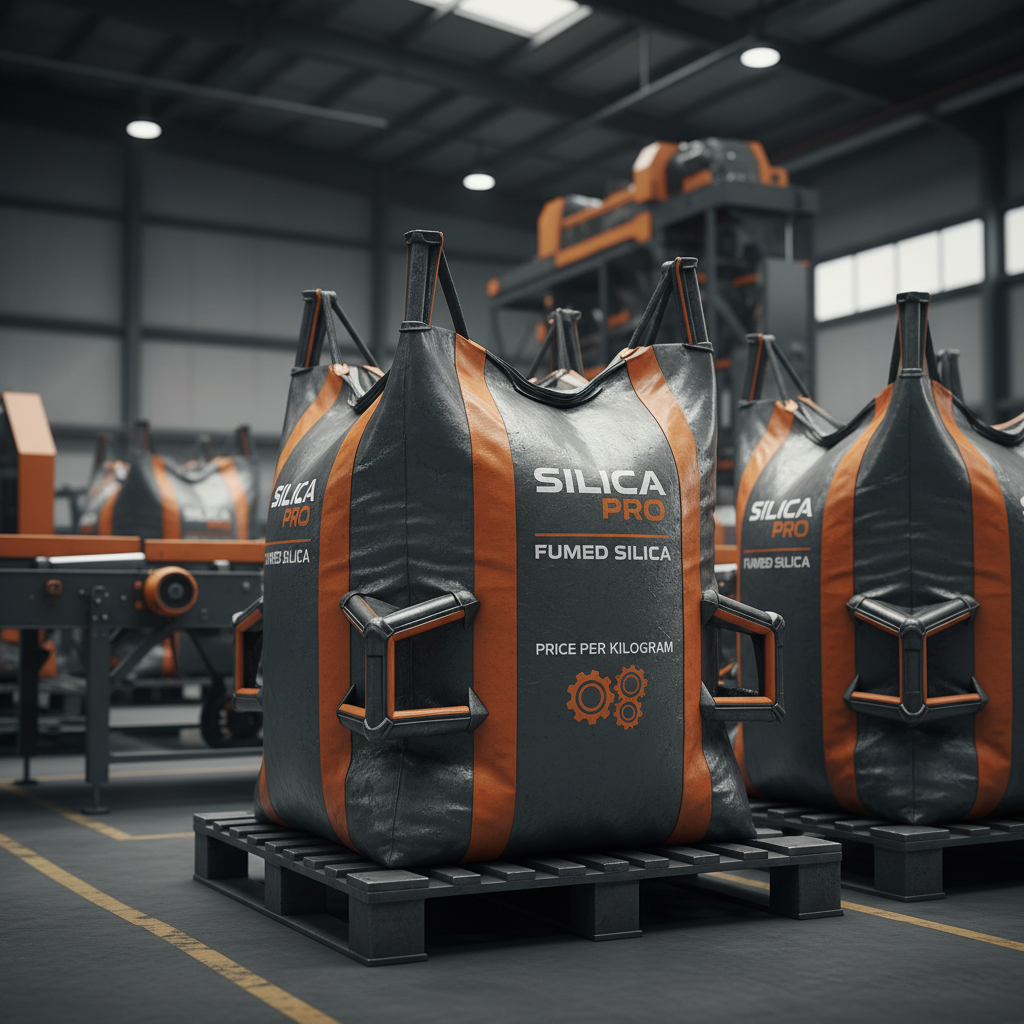
Aerosil silica powder, also known as fumed silica, is a versatile synthetic amorphous silica with a wide range of applications across various industries. Its unique properties – including high purity, large surface area, and light weight – make it an invaluable additive in everything from adhesives and sealants to paints, coatings, and even pharmaceuticals. At Hezhen Kaolin, we specialize in providing high-quality aerosil silica powder tailored to meet diverse industrial needs. This article will explore the characteristics, applications, and advantages of using this remarkable material.
What is Aerosil Silica Powder?
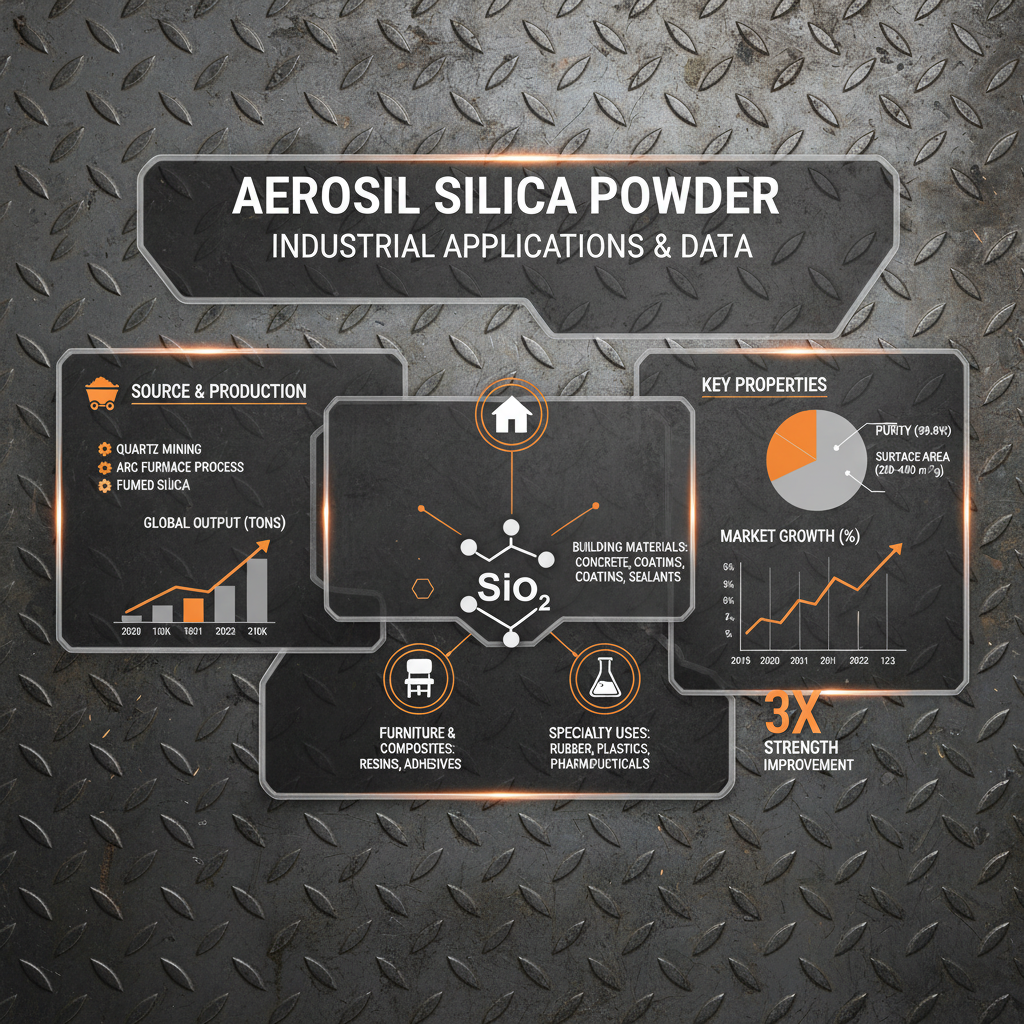
Aerosil silica powder is produced through the high-temperature hydrolysis of silicon tetrachloride in a hydrogen-oxygen flame. This process creates spherical, non-porous particles that are aggregated into chains and clusters. These aggregates impart thickening, thixotropic, and anti-settling properties to various formulations. The resulting powder is incredibly fine, with particle sizes ranging from 7 to 40 nanometers, contributing to its exceptional surface area—typically between 50 and 600 m²/g. This high surface area is crucial for its effectiveness as a reinforcing filler and rheology control agent. Its purity levels are also extremely high, typically exceeding 99.8%, ensuring minimal impact on the final product's properties.
Key Highlights: Aerosil silica powder boasts a high surface area, exceptional purity, and unique rheological properties, making it a versatile additive for a wide range of applications.
Key Applications of Aerosil Silica Powder
The versatility of aerosil silica powder stems from its ability to modify the properties of various materials. In the adhesives and sealants industry, it enhances viscosity, prevents sagging, and improves bonding strength. In paints and coatings, it provides thickening, anti-settling, and reinforcement, leading to improved durability and scratch resistance. It's also widely used in the pharmaceutical industry as a flow aid in capsule and tablet manufacturing, and as a thickening agent in topical formulations. Furthermore, it finds applications in the rubber and plastics industries, enhancing mechanical properties and reducing compression set. The diverse range of uses demonstrates the adaptability of this material.
Application Areas:
• Adhesives & Sealants: Enhances viscosity and bonding.
• Paints & Coatings: Improves durability and anti-settling.
• Pharmaceuticals: Flow aid and thickening agent.
• Rubber & Plastics: Enhances mechanical properties.
Aerosil Silica Powder Grades & Their Properties
Different grades of aerosil silica powder are available, each tailored to specific applications. These grades vary in surface area, particle size, and degree of aggregation. Hydrophilic grades are readily dispersible in polar solvents, while hydrophobic grades are treated to repel water, making them ideal for use in non-polar systems. Choosing the correct grade is vital to achieving the desired performance characteristics in the final product.
Benefits of Choosing Hezhen Kaolin for Your Aerosil Needs
At Hezhen Kaolin, we are committed to providing our customers with consistently high-quality aerosil silica powder. We offer a comprehensive range of grades to suit diverse applications, coupled with expert technical support to help you select the optimal product for your specific needs. Our rigorous quality control processes ensure that our products meet the highest industry standards. Furthermore, we are dedicated to prompt and reliable delivery, minimizing downtime and maximizing efficiency for your operations.
Conclusion: Unlock the Potential with Aerosil Silica Powder
Aerosil silica powder is a remarkable material offering a wide array of benefits across numerous industries. Its unique properties—high surface area, purity, and versatile functionality—make it an indispensable additive for enhancing product performance and process efficiency. Partner with Hezhen Kaolin to access premium-quality aerosil silica powder and expert support to unlock the full potential of this powerful material.
Frequently Asked Questions (FAQs)
What safety precautions should be taken when handling Aerosil silica powder?
Aerosil silica powder is generally considered safe, but it's essential to take appropriate precautions. Avoid inhaling the powder, as it can cause respiratory irritation. Always wear a dust mask or respirator when handling the material. Skin and eye contact should also be avoided; wear gloves and safety glasses. Ensure adequate ventilation in the work area. Refer to the Safety Data Sheet (SDS) for detailed safety information. Proper handling practices minimize any potential risks associated with this material.
How is Aerosil silica powder dispersed effectively in a liquid system?
Effective dispersion of aerosil silica powder requires careful consideration. Due to its tendency to aggregate, high-shear mixing is often necessary. Using a suitable dispersing agent can also significantly improve dispersion. The choice of dispersing agent depends on the polarity of the liquid system. For hydrophilic grades, polar dispersing agents are recommended, while hydrophobic grades require non-polar agents. Proper dispersion ensures the material's full performance benefits are realized.
What is the difference between hydrophilic and hydrophobic Aerosil silica powder?
Hydrophilic aerosil silica powder readily interacts with water and polar solvents, making it ideal for aqueous systems. Hydrophobic grades, on the other hand, have been surface-treated to repel water and prefer non-polar environments. This difference in surface chemistry dictates their compatibility with various formulations. Hydrophobic grades are often used in applications requiring water resistance or where compatibility with organic solvents is essential.
Can Aerosil silica powder be used to improve the flowability of powders?
Yes, aerosil silica powder is frequently used as a flow aid in powder formulations. Its fine particle size and high surface area help to reduce interparticle friction, improving powder flowability. This is particularly beneficial in applications like capsule filling, powder coating, and dry blending. The amount of aerosil used will depend on the specific powder characteristics and the desired flow properties.