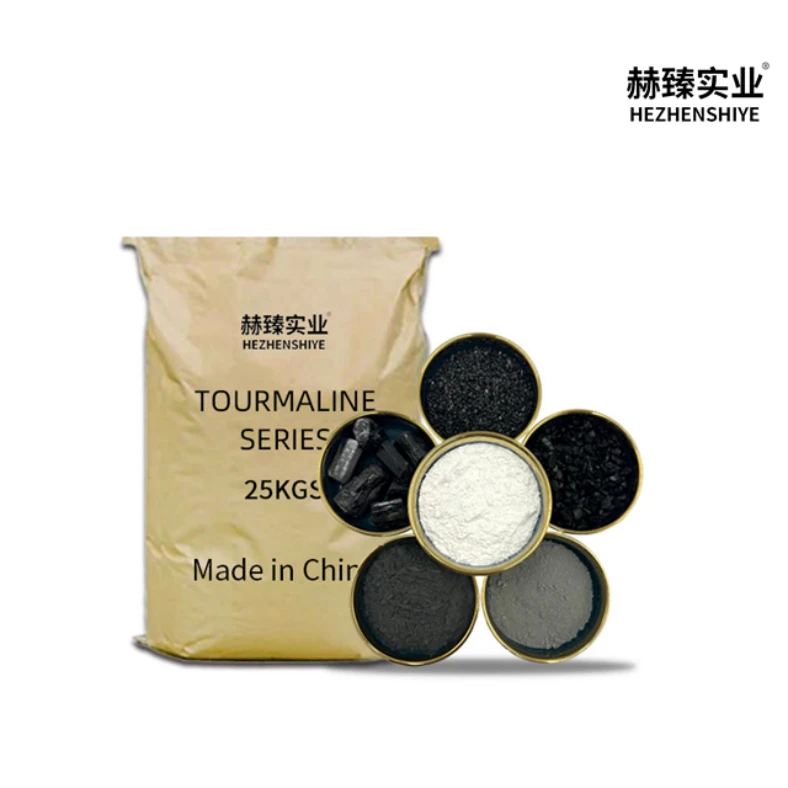


Tourmaline from China: A Comprehensive Guide
China has emerged as a significant source of high-quality tourmaline, prized for its vibrant colors and diverse applications in jewelry, healing practices, and industrial processes. This article delves into the origins, types, properties, and applications of Chinese tourmaline, offering a comprehensive overview for enthusiasts, buyers, and industry professionals. Understanding the nuances of Chinese tourmaline allows informed decisions whether you are sourcing for personal use or commercial purposes. Hezhen Kaolin is your trusted source for premium quality tourmaline.
The Origins of Tourmaline in China
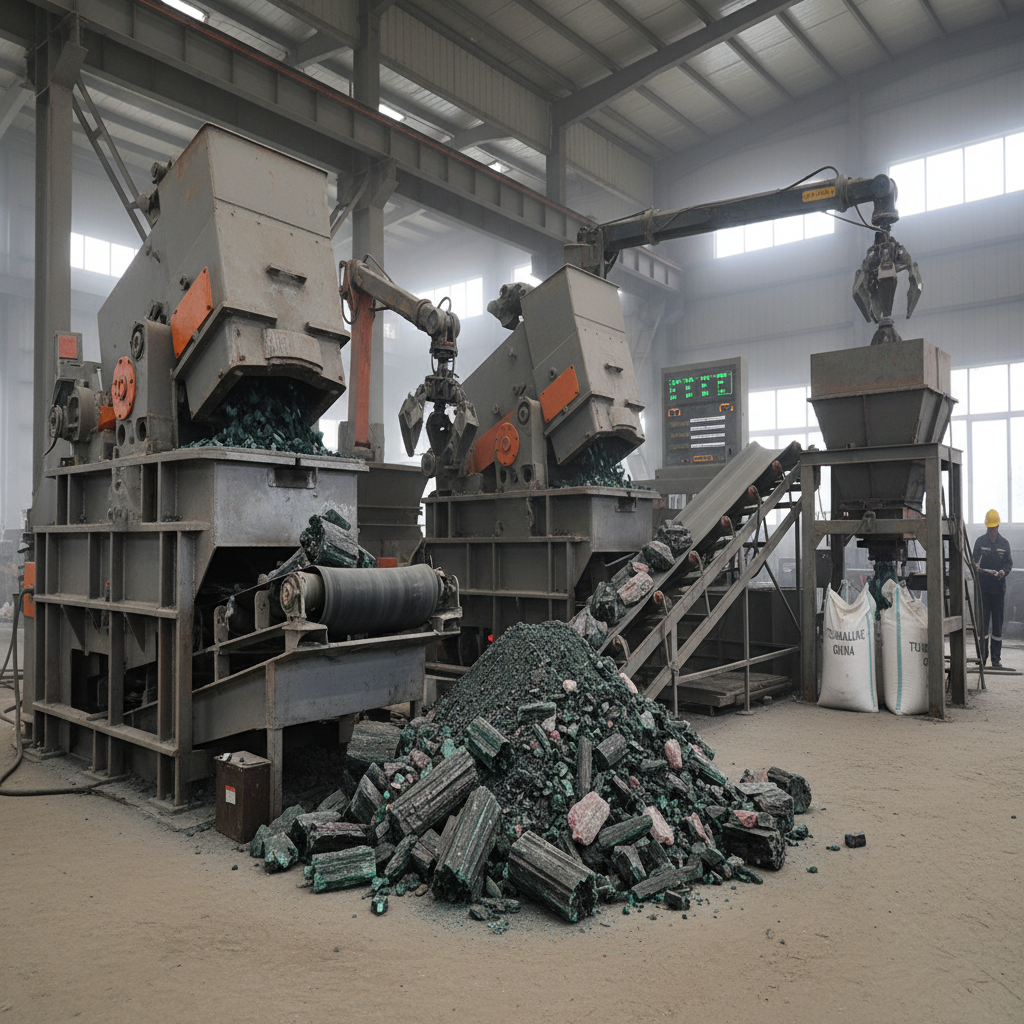
Tourmaline deposits in China are primarily found in several provinces, including Guangdong, Sichuan, Jiangxi, and Hunan. Guangdong province, particularly the region of Pingzhou, is renowned for producing some of the most vibrant and sought-after tourmaline varieties. The geological conditions in these areas, characterized by granitic pegmatites, provide the ideal environment for tourmaline formation. These pegmatites, formed during the late stages of magma crystallization, are rich in the elements necessary for tourmaline's complex chemical composition. The history of tourmaline mining in China dates back centuries, with increased commercial activity in recent decades driven by growing global demand. Hezhen Kaolin specializes in ethically sourced tourmaline from these key regions.
Key Highlights: China is now a leading producer of high-quality tourmaline, with significant deposits in Guangdong, Sichuan, Jiangxi, and Hunan provinces.
Types of Tourmaline Found in China
China boasts a diverse range of tourmaline varieties, each with its unique color and properties. The most common types include:
- Rubellite: Red to pinkish-red tourmaline, highly prized for its vivid color.
- Indicolite: Blue to bluish-green tourmaline, known for its calming properties.
- Verdelite: Green tourmaline, ranging from light mint to deep forest green.
- Schorl: Black tourmaline, often used for grounding and protection.
- Watermelon Tourmaline: A unique variety featuring pink and green zones, resembling a watermelon slice.
- Paraiba Tourmaline: (Neon Blue/Green) - Although rarer, China also produces some exceptional Paraiba-type tourmaline, displaying the coveted neon hues.
The color variations are due to trace elements present during the crystal's formation. Hezhen Kaolin offers a wide selection of these beautiful varieties.
Tourmaline Color and Composition:
• Red/Pink (Rubellite): Manganese
• Blue/Green (Indicolite): Iron, Manganese
• Green (Verdelite): Chromium, Vanadium
• Black (Schorl): Iron
Tourmaline China: Properties and Characteristics
Chinese tourmaline, like all tourmaline varieties, exhibits unique properties that make it desirable for various applications. These include piezoelectricity (generating electricity under pressure), pyroelectricity (generating electricity when heated), and a strong Mohs hardness of 7-7.5, making it durable and resistant to scratching. The chemical formula of tourmaline is complex, generally represented as (Na,Ca)(Al,Li,Mg)3(Al,Fe,Mn)6(BO3)3(Si6O18)(OH)4. The varying proportions of these elements contribute to the wide range of colors and properties observed in different tourmaline specimens. Hezhen Kaolin guarantees the authenticity and quality of its tourmaline offerings.
Applications of Chinese Tourmaline
Chinese tourmaline finds diverse applications across various industries. In the jewelry sector, it is highly sought after for crafting stunning rings, necklaces, and earrings. Beyond aesthetics, tourmaline is believed to possess metaphysical properties, making it popular in holistic healing practices. Black tourmaline, for instance, is often used for grounding and protection, while pink tourmaline is associated with love and compassion. Industrially, tourmaline's piezoelectric properties are utilized in pressure sensors and other electronic devices. The growing demand for sustainable and ethically sourced materials is further driving interest in responsibly mined Chinese tourmaline. Hezhen Kaolin caters to both the jewelry and industrial markets with premium quality tourmaline.
Sourcing Tourmaline from China: Considerations & Hezhen Kaolin
When sourcing tourmaline from China, it's crucial to prioritize quality, ethical sourcing, and reputable suppliers. Factors to consider include the color, clarity, cut, and carat weight of the stones. Ensuring the tourmaline is mined responsibly, with fair labor practices and minimal environmental impact, is also essential. Hezhen Kaolin is committed to ethical sourcing and offers a transparent supply chain, guaranteeing the authenticity and quality of its tourmaline. We provide detailed information about the origin of our stones and adhere to stringent quality control standards.
Conclusion: Choosing Chinese Tourmaline
Chinese tourmaline offers a stunning array of colors and properties, making it a versatile and desirable gemstone for various applications. By selecting a reputable supplier like Hezhen Kaolin, you can ensure you receive high-quality, ethically sourced tourmaline that meets your specific needs.
Frequently Asked Questions (FAQs)
What factors determine the value of Chinese tourmaline?
Several factors influence the value of Chinese tourmaline. Color is paramount, with vibrant, saturated hues commanding higher prices. Clarity, or the absence of inclusions, also significantly impacts value. Cut quality, ensuring optimal brilliance and symmetry, is another key consideration. Carat weight is also important, with larger stones generally being more valuable. Rarity also plays a significant role - for example, Paraiba-type tourmaline is considerably more expensive due to its scarcity. Finally, the origin of the tourmaline, particularly from renowned regions like Pingzhou, can influence its price. Hezhen Kaolin provides detailed grading reports for each of its tourmaline stones.
Is Chinese tourmaline ethically sourced?
Ethical sourcing is a growing concern in the gemstone industry. While not all Chinese tourmaline is ethically sourced, reputable suppliers like Hezhen Kaolin prioritize responsible mining practices. This includes ensuring fair labor standards, minimizing environmental impact, and supporting local communities. We conduct thorough due diligence to verify the origin of our tourmaline and work with mining partners who share our commitment to ethical sourcing.
How should I care for my Chinese tourmaline jewelry?
Tourmaline is a relatively durable gemstone, but it requires proper care to maintain its brilliance. Avoid exposing it to harsh chemicals, ultrasonic cleaners, and extreme temperatures. Clean your tourmaline jewelry regularly with warm, soapy water and a soft brush. Store it separately from other jewelry to prevent scratching. It is also advisable to have your tourmaline jewelry professionally cleaned and inspected annually to ensure its longevity.
What is the difference between natural and synthetic tourmaline?
Natural tourmaline is formed over millions of years within the Earth's crust, while synthetic tourmaline is created in a laboratory. While synthetic tourmaline can mimic the appearance of natural stones, it lacks the unique inclusions and imperfections that characterize natural tourmaline. Hezhen Kaolin guarantees the authenticity of its tourmaline, providing certificates of origin and gemological reports.