

Iron Oxide Powder: A Comprehensive Guide
Iron oxide powder is a versatile chemical compound with a wide range of applications across numerous industries. From pigments and coatings to magnetic materials and even biomedical uses, its properties make it an invaluable component in countless products. This article will delve into the different types of iron oxide powder, their applications, key properties, and sourcing considerations. Understanding the nuances of iron oxide powder is crucial for manufacturers and professionals seeking high-quality materials for their specific needs. It will help you to find a reliable supplier like Hezhen Kaolin.

Understanding the Different Types of Iron Oxide Powder
Iron oxide powder isn’t a single entity; it encompasses several different forms, each with unique characteristics. The most common types include Red Iron Oxide (Fe₂O₃), Yellow Iron Oxide (FeO(OH)·nH₂O), Black Iron Oxide (Fe₃O₄), and Brown Iron Oxide. These variations are due to differences in their chemical composition, particle size, and manufacturing processes. Red iron oxide, for instance, is known for its intense color and is widely used in paints and coatings. Black iron oxide, possessing magnetic properties, finds application in magnetic recording media. The specific type chosen will depend heavily on the desired application and required properties.
Key Highlights: Different iron oxide powders offer unique properties like color, magnetic susceptibility, and chemical stability, making them suitable for a diverse range of applications.
Applications Across Industries
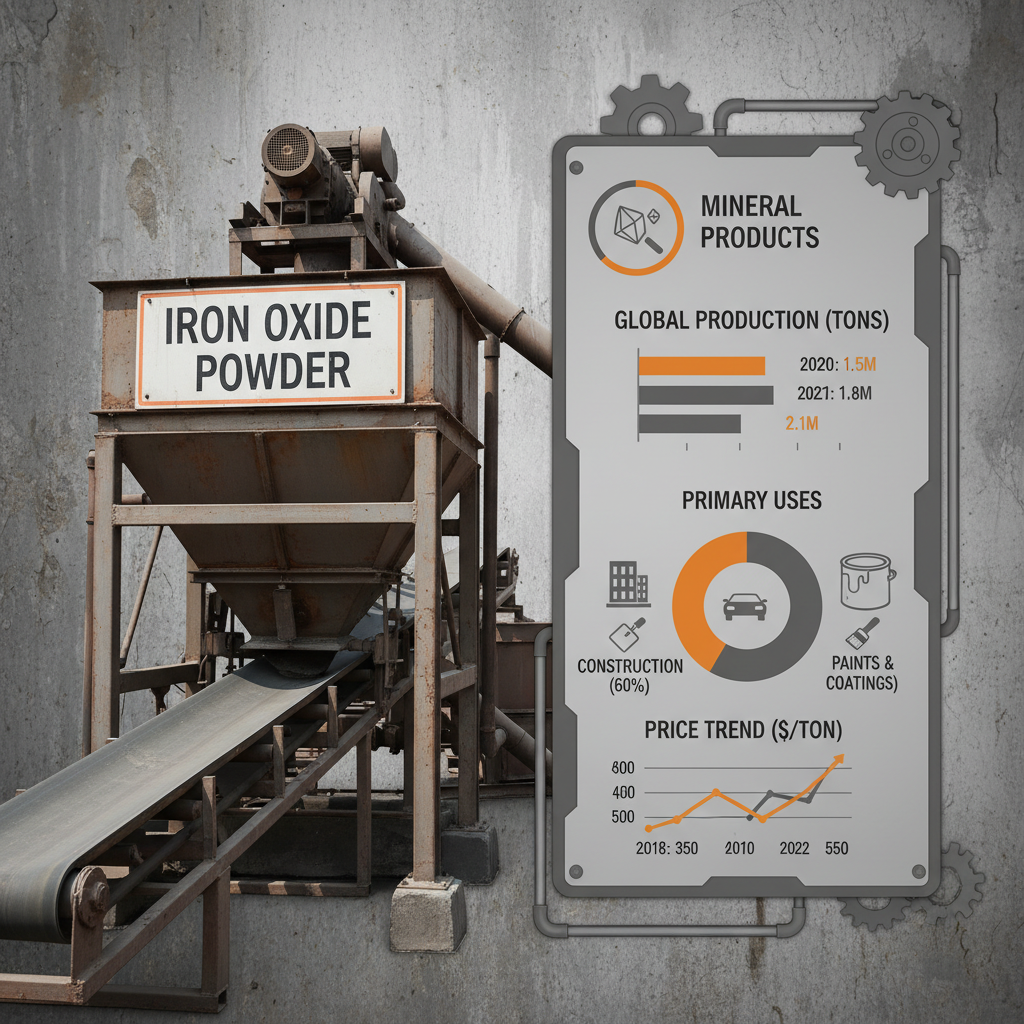
The versatility of iron oxide powder shines through its diverse applications. In the construction industry, it serves as a coloring agent for concrete, bricks, and tiles. The coatings industry utilizes it for creating durable and corrosion-resistant paints and coatings. In plastics, it acts as a colorant and UV stabilizer. The cosmetics industry incorporates it as a pigment in makeup and skincare products. Moreover, it's a critical component in magnetic recording tapes, ferrite cores, and even as a contrast agent in medical imaging. The demand for high-quality iron oxide powder continues to grow alongside these expanding applications.
Key Application Areas:
• Construction (concrete, bricks, tiles)
• Coatings (paints, corrosion resistance)
• Plastics (colorant, UV stabilizer)
• Cosmetics (makeup, skincare)
Iron Oxide Powder: Key Properties and Characteristics
Several key properties define the quality and suitability of iron oxide powder. These include its purity, particle size distribution, color strength, and chemical stability. High purity ensures consistent performance and minimizes unwanted side effects. Particle size influences dispersion characteristics and color intensity. Chemical stability guarantees resistance to degradation from environmental factors like UV radiation and moisture. Understanding these properties allows buyers to select the optimal iron oxide powder for their specific requirements.
Sourcing High-Quality Iron Oxide Powder
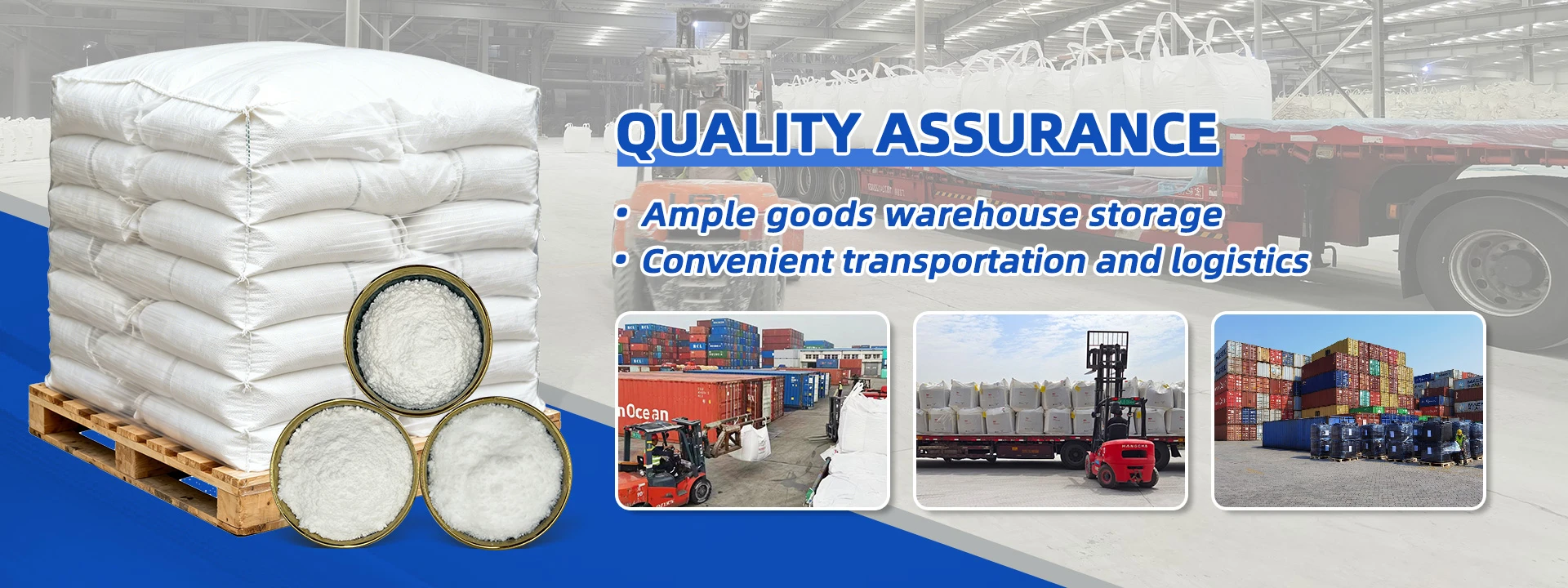
Selecting the right supplier is paramount for ensuring consistent quality and reliable supply. Look for manufacturers with a proven track record, strong quality control processes, and certifications like ISO 9001. Consider factors like production capacity, lead times, and shipping capabilities. A reputable supplier, such as Hezhen Kaolin, will offer detailed product specifications, technical support, and competitive pricing. Don't hesitate to request samples for testing before committing to a large order.
Product Specifications (Red Iron Oxide)
Here is a typical specification sheet for Red Iron Oxide:
Conclusion: Choosing the Right Iron Oxide Powder
Selecting the appropriate iron oxide powder is crucial for achieving optimal results in your application. Consider the type, properties, and supplier reputation to ensure consistent quality and performance. With careful selection, you can leverage the versatility of this remarkable material to enhance your products and processes.
Frequently Asked Questions (FAQs)
What are the main differences between red, yellow, and black iron oxide?
The primary differences lie in their chemical composition and resulting properties. Red iron oxide (Fe₂O₃) provides a strong red color and is non-magnetic. Yellow iron oxide (FeO(OH)·nH₂O) offers a yellow to orange hue and is also non-magnetic, but generally less lightfast than red iron oxide. Black iron oxide (Fe₃O₄) is magnetic and provides a black color. These differences dictate their applications – red and yellow are common pigments, while black is used in magnetic materials. Choosing the right one depends entirely on your specific needs regarding color, magnetism, and application environment.
How is iron oxide powder manufactured?
Iron oxide powder is typically manufactured through several processes, including the Penniman-Zoph process, the Laux process, and precipitation methods. The Penniman-Zoph process involves the thermal decomposition of iron salts. The Laux process uses the oxidation of ferrous sulfate. Precipitation methods involve the controlled precipitation of iron hydroxides from solution, followed by calcination to form the desired iron oxide. The manufacturing process significantly impacts the particle size, purity, and properties of the final product.
What safety precautions should be taken when handling iron oxide powder?
While generally considered non-toxic, iron oxide powder can cause irritation to the eyes, skin, and respiratory system. It's important to wear appropriate personal protective equipment (PPE), including safety glasses, gloves, and a dust mask, when handling the powder. Ensure adequate ventilation in the work area to minimize dust inhalation. Avoid creating dust and follow proper handling procedures outlined in the safety data sheet (SDS) provided by the supplier.