

Iron Oxide Pigment Suppliers: A Comprehensive Guide
Finding reliable iron oxide pigment suppliers is crucial for industries ranging from construction and coatings to plastics and ceramics. The quality and consistency of these pigments directly impact the final product's color, durability, and overall performance. This article delves into the key factors to consider when selecting a supplier, the types of iron oxide pigments available, common applications, and a look at why Hezhen Kaolin stands as a leading provider. We will provide insights to help you make an informed decision to optimize your supply chain and enhance your product quality.
Understanding Iron Oxide Pigments
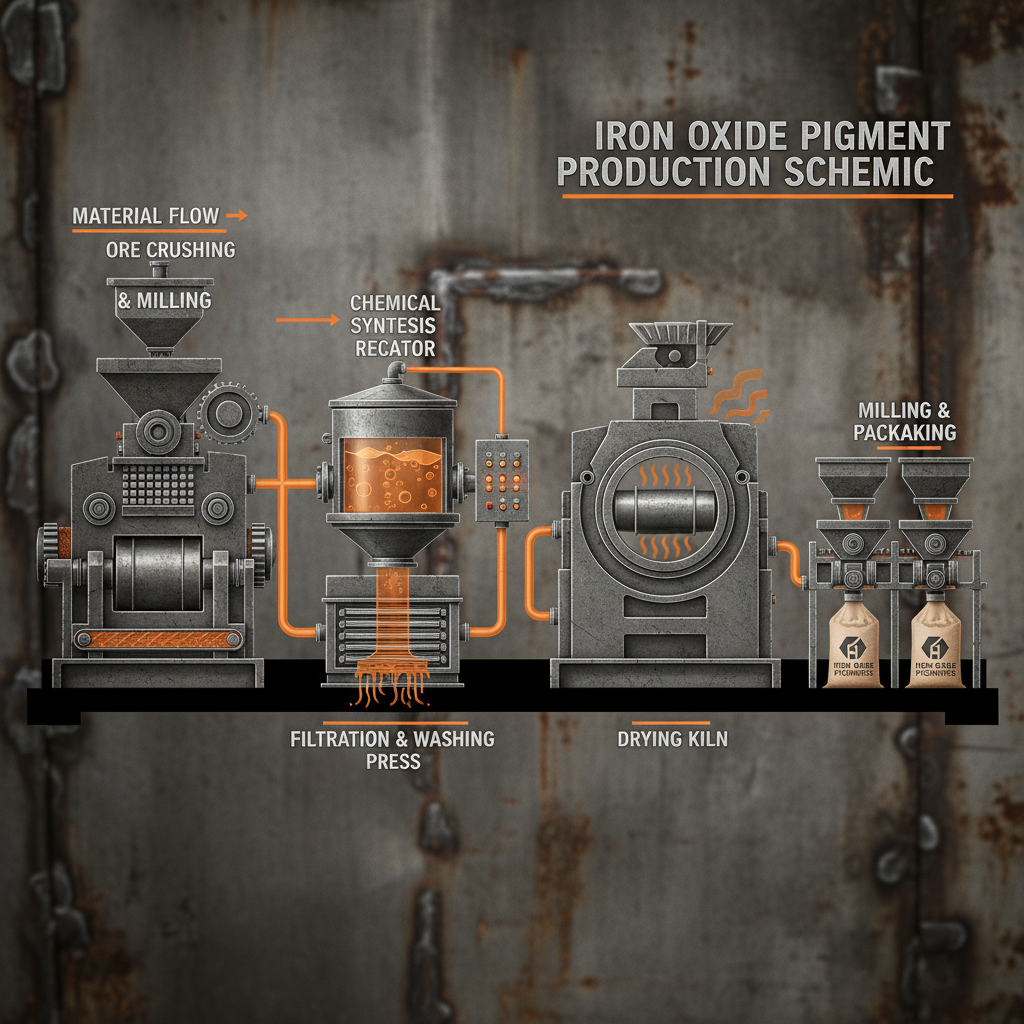
Iron oxide pigments are synthetic or natural compounds used to impart color, primarily reds, yellows, and blacks. Synthetic iron oxides offer superior consistency, purity, and particle size control compared to natural sources. They are chemically stable, resistant to UV degradation, and non-toxic, making them ideal for a wide range of applications. The color of the pigment is determined by the oxidation state of the iron and the particle size. Different manufacturing processes yield varying hues and properties. When evaluating iron oxide pigment suppliers, it’s essential to understand these nuances.
Key Highlights: Synthetic iron oxides provide superior consistency and purity, while natural sources are often more cost-effective but may have variability.
Types of Iron Oxide Pigments and Their Applications
Iron oxide pigments come in several varieties, each suited to specific applications. Red iron oxide (Fe₂O₃) is widely used in paints, coatings, and construction materials. Yellow iron oxide (FeO(OH)·nH₂O) provides a bright, durable color for plastics, rubber, and concrete. Black iron oxide (Fe₃O₄) is used for coloring asphalt, plastics, and coatings, offering excellent UV absorption. Brown iron oxide is a blend of red, yellow, and black, offering a versatile earth-tone color. Understanding the specific properties of each type is critical when sourcing from iron oxide pigment suppliers.
Applications Overview:
• Construction: Concrete, bricks, roofing tiles
• Coatings: Paints, varnishes, powder coatings
• Plastics: Masterbatches, PVC, polyethylene
• Ceramics: Glazes, tile bodies
Key Considerations When Choosing Iron Oxide Pigment Suppliers
Selecting the right iron oxide pigment supplier involves more than just price. Consider factors like product quality, consistency, color matching capabilities, lead times, technical support, and regulatory compliance. A reputable supplier should provide certifications of analysis (COA) for each batch, demonstrating adherence to quality standards. They should also have robust quality control processes in place and offer customized solutions to meet your specific needs. Furthermore, efficient logistics and reliable delivery are critical for maintaining your production schedule.
Why Choose Hezhen Kaolin as Your Iron Oxide Pigment Supplier?
Hezhen Kaolin has established itself as a trusted partner for businesses seeking high-quality iron oxide pigments. We offer a comprehensive range of colors and grades, backed by rigorous quality control and reliable supply chain management. Our commitment to customer satisfaction, coupled with our technical expertise, sets us apart. We provide customized solutions, responsive support, and competitive pricing. We prioritize consistency in every batch, ensuring your products maintain their desired color and performance. Contact us today to discuss your pigment needs.

Product Specifications (Red Iron Oxide)
Here's a sample specification sheet for our popular Red Iron Oxide pigment. Specifications can vary based on your requirements, and custom formulations are available.
Conclusion: Partner with Hezhen Kaolin for Superior Iron Oxide Pigments
Selecting the right iron oxide pigment supplier is a critical decision that impacts your product quality and bottom line. Hezhen Kaolin delivers the consistency, quality, and support you need to succeed. From reliable supply to technical expertise, we are committed to being your trusted partner.
Frequently Asked Questions (FAQs)
What is the difference between synthetic and natural iron oxide pigments?
Synthetic iron oxide pigments are manufactured through controlled chemical processes, resulting in high purity, consistent particle size, and predictable color. Natural iron oxides are derived from mined ores and can exhibit variations in color and composition due to inherent impurities. Synthetic pigments generally offer superior performance and reliability, especially in applications demanding precise color matching. While natural options can be more cost-effective, they may require additional processing to achieve desired consistency. Choosing between the two depends on your specific application requirements and budget.
How do I determine the appropriate particle size for my application?
Particle size significantly influences pigment performance. Smaller particle sizes generally provide higher tinting strength and better dispersion, ideal for coatings and plastics. Larger particle sizes offer increased opacity and are suitable for applications like concrete coloring where hiding power is crucial. The optimal particle size depends on the specific resin or binder system used and the desired visual effect. We at Hezhen Kaolin can help you select the appropriate grade based on your application needs.
What quality control measures does Hezhen Kaolin employ?
Hezhen Kaolin adheres to strict quality control standards throughout the manufacturing process. This includes rigorous testing of raw materials, in-process monitoring, and final product analysis. We are ISO 9001 certified, demonstrating our commitment to quality management. Each batch is accompanied by a Certificate of Analysis (COA) detailing its specifications, ensuring transparency and traceability. We conduct tests for color, particle size, chemical composition, and other relevant parameters to guarantee consistent product quality.
Are your iron oxide pigments environmentally friendly?
Yes, our iron oxide pigments are environmentally friendly and comply with relevant regulations. They are non-toxic, chemically inert, and do not release harmful substances. The manufacturing process is designed to minimize waste and environmental impact. We are committed to sustainable practices and responsible sourcing.