

White Carbon Black vs Alternative Fillers Selection Guide
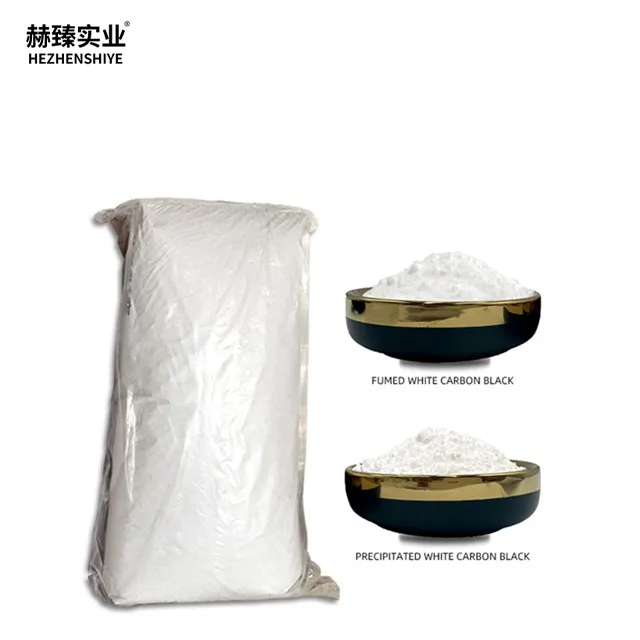
Strategic alternative filler selection determines whether R&D Directors and Chemical Procurement Managers achieve targeted mechanical performance or face compounding failures in industrial matrices. This analysis establishes exact performance thresholds where White Carbon Black outperforms sub-optimal mineral silicates, and conversely, identifies precise formulation conditions requiring alternative chemical inputs.
Procurement teams evaluating mechanical enhancements across rubber reinforcing agent applications and plastic filler formulations will find clear comparative benchmarks below, designed to eliminate costly trial-and-error cycles in bulk chemical sourcing.
White Carbon Black Outperforms Mineral Silicates in Rubber Reinforcement
Reinforcement Dynamics in Elastomer Systems
Tensile strength values increase significantly when White Carbon Black is compounded into rubber matrices compared to unreinforced systems, while alternative mineral silicates often function as inert extenders rather than active reinforcing agents. Polymer chains interact more effectively with the high specific surface area of the active filler, resulting in enhanced abrasion resistance and tear strength across vulcanized elastomer batches.
Evaluation protocols for high-performance rubber compounds depend on variable processing parameters like mixing temperatures and curing packages, to be confirmed with the supplier.
Fatigue Resistance and Structural Integrity
Elastomer matrices formulated with White Carbon Black maintain structural integrity under high dynamic fatigue cycles, whereas sub-optimal mineral silicates typically exhibit premature micro-cracking under identical mechanical stress conditions. Cross-linking density improves directly when filler dispersion is optimized during internal mixing stages, driving measurable gains in modulus and elongation at break.
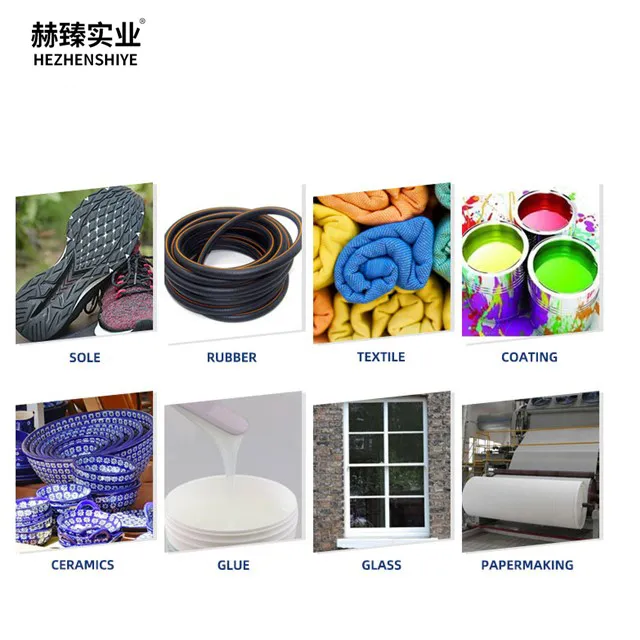
Procurement teams sourcing fillers for heavy-duty tire treads, conveyor belts, and industrial seals select this material to achieve targeted mechanical performance boundaries without introducing unverified numerical purity percentages.
Performance Matrix of White Carbon Black Versus Mineral Silicates
Quantitative Benchmarks for Elastomer Reinforcement
Mineral silicates frequently fail to match the dynamic modulus achieved when active reinforcing agents are compounded into heavy-duty rubber matrices. Secondary polymer networks established directly influence tear resistance and resilience across industrial vulcanized batches.
| Material | Application | Primary Functional Trait | MOQ |
|---|---|---|---|
| White Carbon Black | Rubber reinforcing agent | High mechanical reinforcement and tensile strength | 1kg |
| Mineral Silicate | Plastic filler | Bulk extension with variable mechanical support | to be confirmed with the supplier |
Compound Longevity and Dynamic Fatigue Metrics
Elastomer compounds containing active particulate fillers retain structural integrity under extended fatigue cycles, whereas alternative mineral choices often develop localized degradation under identical mechanical stress conditions. Mechanical performance metrics increase significantly when high specific surface area grades are properly dispersed through internal mixing equipment.
Decision Criteria for Elastomeric Formulations
Elastomer formulators balancing processing efficiency against target mechanical endpoints select active reinforcing agents based on end-use abrasion demands. Curing packages and mixing temperatures remain critical variables that must be aligned with specific polymer network requirements to prevent compounding failures.
Formulating Coatings and Inks with White Carbon Black Versus Calcium Carbonate
Matting Efficiency and Viscosity Control in Liquid Media
Liquid resin vehicles achieve controlled gloss levels and stable thickening performance through active particle networks formed by functional fillers. Formulators evaluating optical performance rely on fine particle distributions to suppress light reflection effectively across complex solvent systems.
Resin vehicle viscosity increases predictably when active fillers are introduced into liquid matrices. High shear rates during milling stages break down initial agglomerates to optimize optical clarity and film smoothness.
Dispersion Demands Versus Calcium Carbonate Alternatives
Precipitated calcium carbonates function primarily as cost-effective space-fillers within high-loading paint systems, though they require higher loading levels to match the rheological profiles achieved by active reinforcing agents. Particle size distribution differences dictate that alternative mineral carbonates deliver broader particle spacing without providing equivalent thickening efficiency under identical resin conditions.
Mill base formulation expenses increase when processors adopt high surface area grades due to extended dispersion timelines. Processing equipment selection must accommodate specific wetting characteristics depending strictly on the selected resin polarity and ambient temperature during mixing.
Regulatory Boundaries Between Industrial White Carbon Black and Regulated Grades
Operational Separation of Industrial and Sensitive Applications
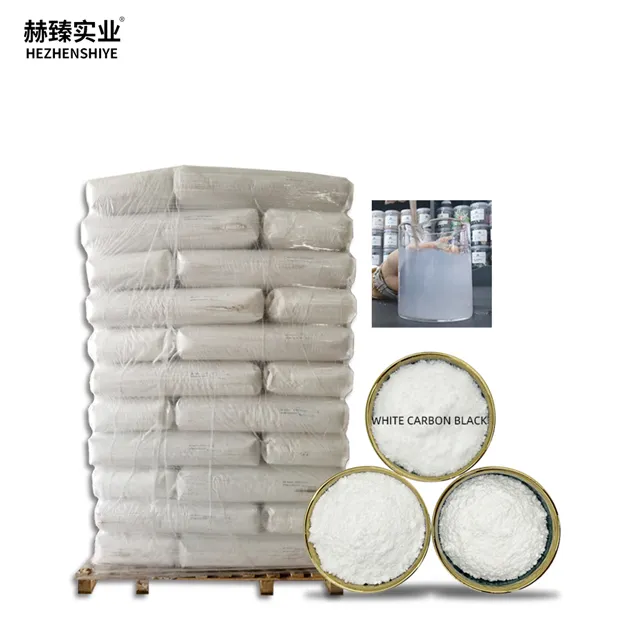
Supply chain segregation protocols demand that procurement departments physically and administratively divide industrial-grade material lines from cosmetic, food processing, and pharmaceutical applications. Without explicit operational barriers, cross-contamination between a rubber reinforcing agent and an active pharmaceutical ingredient creates severe liability across multi-market manufacturing facilities. Chemical batch tracking systems record storage locations, transfer containers, and handling equipment dedicated solely to specific vertical markets to prevent accidental cross-usage.
Regulatory compliance depends heavily on adhering to strict processing boundaries defined by regional chemical inventories and end-use destination parameters. Industrial consignments designated for plastic filler or coating industry usage often carry technical tolerances that fail to meet the purity demands of pharmaceutical preparations or food additive formulations. Documentation availability from the commercial department provides verifiable proof for sector audits, avoiding unauthorized substitutions in regulated end uses.
Cross-Contamination Mitigation in Multi-Market Facilities
- Dedicated storage silos prevent airborne migration of particulate matter between rubber industry workshops and cosmetics processing rooms.
- Cleaning validation schedules eliminate residue carryover when packaging lines alternate between environmental protection applications and pharmaceutical preparations.
- Batch documentation systems trace every kilogram of material from the initial 1kg sample phase to final factory deployment.
Distinguishing Industrial Materials from Fumed Silicas
Procurement teams ensure staff do not confuse industrial White Carbon Black with fumed silica grades or unrelated chemical categories during warehouse intake. Technical documentation from the commercial team clarifies exact CAS numbers and morphological properties, preventing misapplication in sensitive matrices. Material handling errors escalate quickly when industrial-grade inventory enters sensitive production lines without proper verification of purity thresholds.
Processing boundaries remain absolute depending on facility registrations and the intended end-use sector defined in purchase orders. Commercial teams supply the required compliance files upon formal request to support internal quality audits.
Evaluating Baseline Compatibility Through Standard 1kg Sampling Norms
Bulk chemical procurement initiates reliably through a targeted trial phase utilizing a 1kg sample size to verify performance parameters before scaling commitments. Chemical buyers acquire this initial quantity to validate raw material compatibility within active rubber, plastic, and environmental formulations. Laboratory technicians run preliminary compounding batches using the test material to measure dispersion behavior and baseline mechanical outcomes.
Initial Laboratory Verification Protocols
Rigorous bench-scale testing helps formulators confirm whether active reinforcing fillers meet specific rheological and curing expectations. Technicians measure Mooney viscosity and cure kinetics during these preliminary trials to detect potential processing anomalies early.
Small-scale evaluation prevents costly formulation errors before transitioning orders to large storage containers.
Scaling Up to Industrial Bulk Orders
Successful laboratory outcomes justify advancing from introductory sample units to full commercial quantities packaged in bulk bags. Sourcing teams align delivery schedules with manufacturing throughput demands to maintain uninterrupted production lines across elastomer and polymer facilities.
Aligning Alternative Filler Selection with Specific Matrix Requirements
Decision Framework for Chemical Procurement Managers
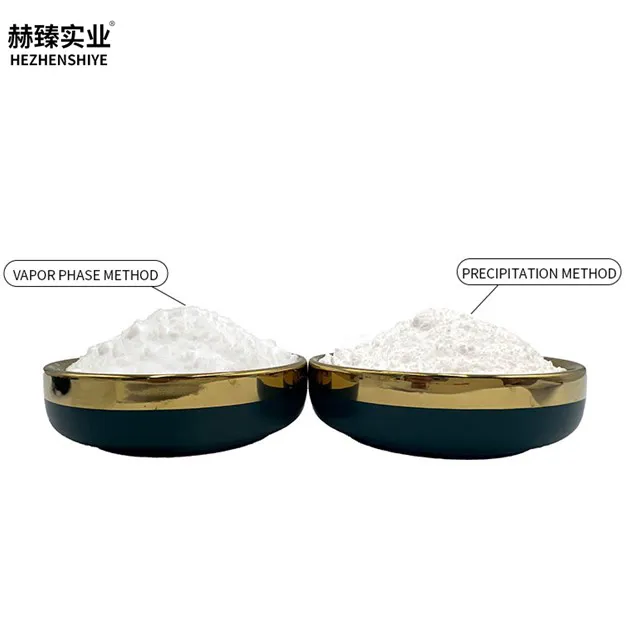
Chemical procurement managers balancing cost, dispersion efficiency, and mechanical performance must evaluate specific end-use demands before selecting between White Carbon Black and alternative mineral fillers. When elastomer applications require maximum tensile strength and tear resistance, active filler integration dictates long-term component durability. Conversely, budgets constrained by basic stiffness targets in secondary molded goods often benefit from mineral silicates operating as cost-effective extenders.
Dispersion parameters and mixing equipment capabilities govern the successful integration of fine particle powders in industrial workflows. High specific surface area materials demand rigorous internal mixing protocols to prevent agglomeration, whereas alternative fillers with coarser particle size distributions disperse readily under standard processing conditions. Formulators weigh these processing variables against targeted mechanical endpoints to eliminate compounding failures during bulk production runs.
Balancing Mechanical Performance Against Processing Costs
End-use application demands ultimately dictate whether the higher initial cost of active reinforcing agents is justified by extended service life. Elastomer components subjected to dynamic fatigue cycles require the structural integrity delivered exclusively by White Carbon Black networks. Meanwhile, static applications with minimal mechanical stress tolerate alternative mineral options without compromising finished part functionality.
- High-demand rubber matrices prioritize tear resistance and tensile strength over raw material savings.
- Coatings and ink formulations weigh viscosity shifts against optical performance metrics.
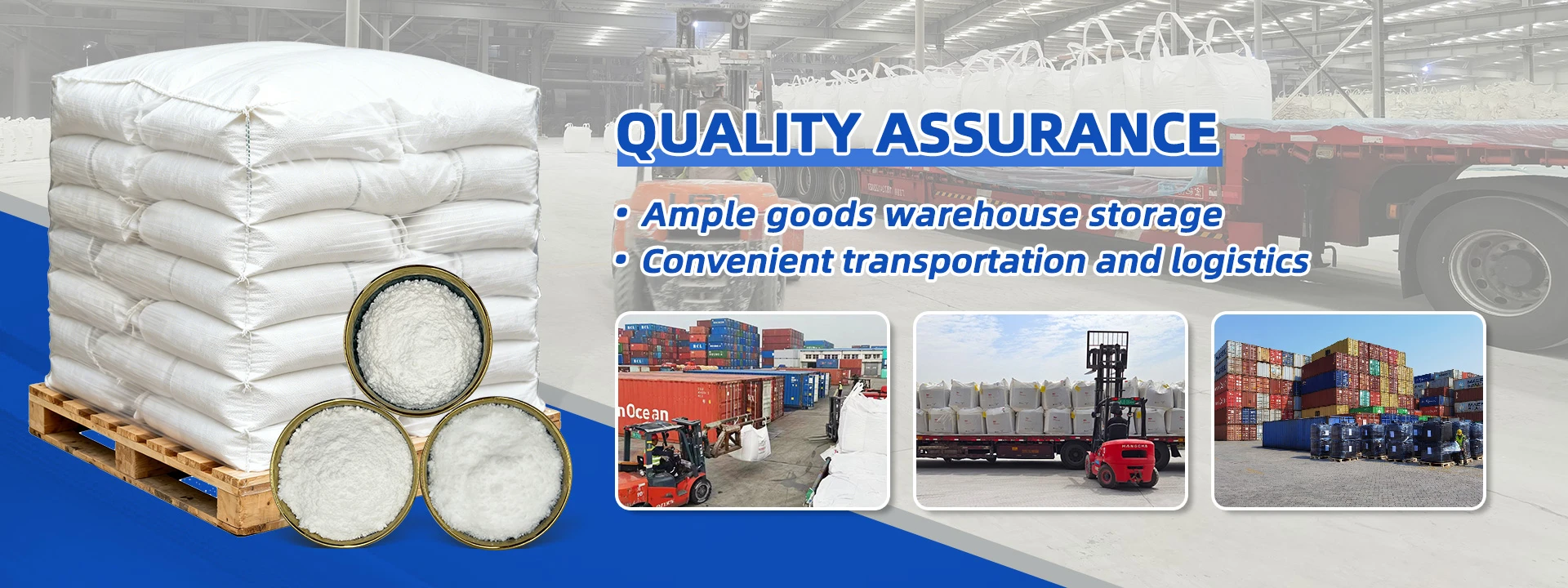
- Bulk bag procurement strategies depend directly on annual consumption volume forecasts and destination port logistics.
Frequently Asked Questions
White Carbon Black functions as an active rubber reinforcing agent that significantly improves tear strength and dynamic modulus in vulcanized batches. Alternative mineral silicates often act as inert extenders that lack the polymer-filler interaction needed for high mechanical performance. Formulators select active grades when end-use abrasion demands exceed the structural capacity of basic mineral fillers, with precise dosing determined by batch compound requirements.
Precipitated calcium carbonates function adequately as general extenders but fail to provide the targeted matting and thickening control achieved when preparing high-performance coatings. White Carbon Black improves the hiding power, adhesion, and stability of ink while controlling viscosity during high-shear processing. Selection depends heavily on target optical density and dispersion equipment capabilities rather than standard filler costs.
- Provides high specific surface area for effective rheology control
- Enhances optical performance and surface finish in industrial printing applications
Procurement teams must maintain strict inventory segregation to separate industrial-grade materials from food processing, pharmaceutical, and cosmetics applications. Cross-contamination risks compromise purity compliance and violate operational safety standards in regulated downstream sectors. Sourcing managers verify that supply chains maintain dedicated storage boundaries based on intended end-use classification.
Evaluation begins with requesting a 1kg sample size to test baseline compatibility in laboratory mixing trials before committing to bulk bag procurement. This initial testing phase allows R&D teams to verify dispersion behavior, hardness, and tensile changes across rubber, plastics, and environmental applications. Testing parameters remain dependent on internal mixing equipment efficiency and targeted elastomer hardness grades.
Alternative mineral fillers suit applications where high mechanical reinforcement or advanced optical thickening is unnecessary and baseline cost reduction is the primary driver. When formulations require plastic filler additions solely for volumetric displacement rather than structural modification, basic mineral options reduce input expenses. Final selection depends on balancing processing viscosity limits against end-use mechanical demands.
Optimized dispersion of active particulate fillers establishes secondary polymer networks that resist premature micro-cracking during continuous flexing cycles. In contrast, poorly dispersed alternative fillers create localized stress concentration points that accelerate mechanical failure. Processing variables like internal mixing duration and shear rates directly dictate final network uniformity and dynamic resilience.
Conclusion
Laboratory testing workflows initiate smoothly when technical staff evaluate initial compound responses across target parameters.
Procurement teams arranging trial orders specify exact delivery schedules depending on destination port logistics and seasonal shipping capacity.