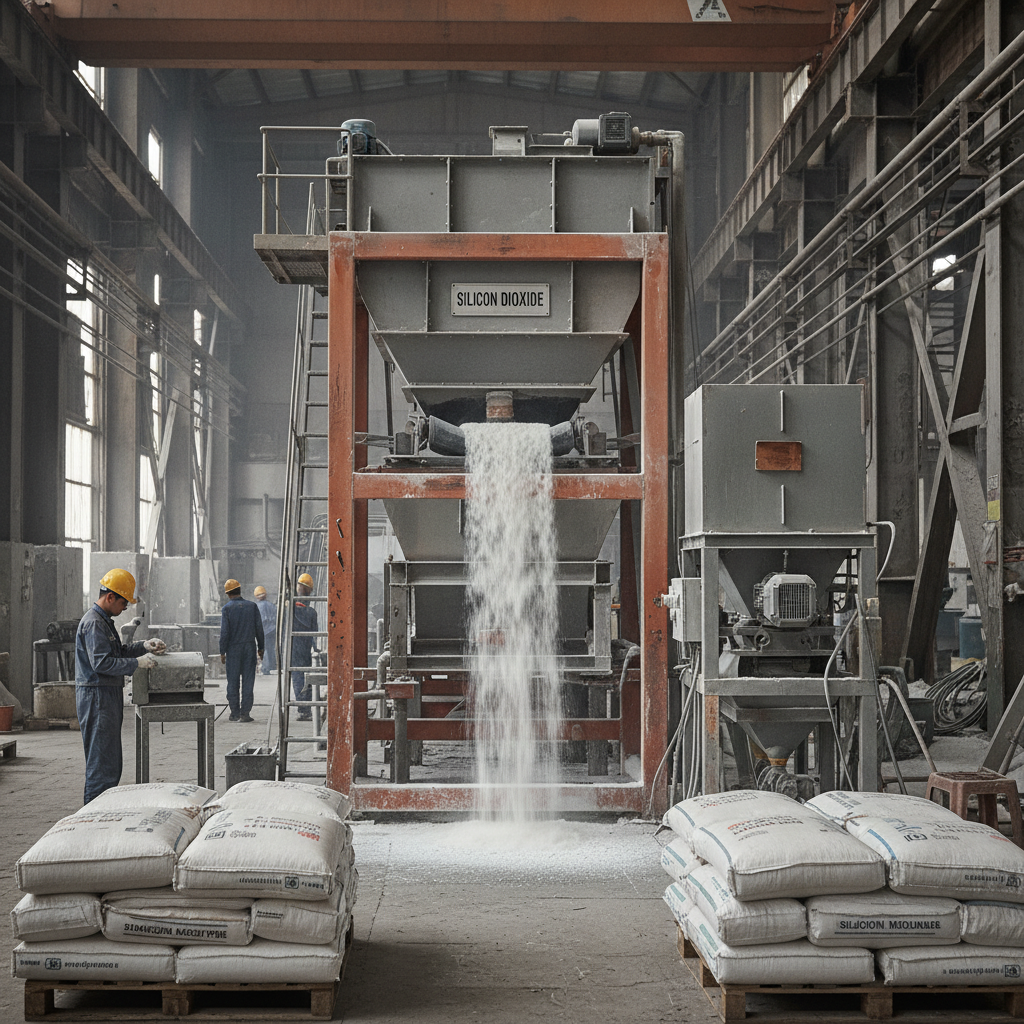


Finding high-quality yet cheap colored sand for industrial and decorative use requires a balance between raw material cost and final performance. In the non-metallic mineral processing industry, colored sand serves as a critical aesthetic and functional component in everything from epoxy flooring to specialized construction fills.
Procurement professionals often struggle with the trade-off between low unit prices and the purity of the mineral pigments. Substandard materials can lead to uneven color distribution, poor adhesion in resin systems, or instability under UV exposure, which ultimately increases the total cost of ownership.
This guide provides a practical framework for evaluating the cost-to-quality ratio of colored sand, analyzing technical specifications, and identifying the key factors that allow manufacturers to maintain affordability without sacrificing industrial-grade performance.

Understanding the Cost Structure of Colored Sand

The pricing of cheap colored sand is primarily driven by the base mineral used—such as quartz or silica—and the type of pigment applied. Industrial-grade materials often utilize iron oxide pigments due to their stability and cost-effectiveness, allowing for mass production of hues like red, yellow, and black without significant price spikes.
Beyond raw materials, the processing stage, including crushing, screening for specific flake sizes, and the coating process, determines the final market price. Companies that integrate mineral processing and sales, such as Hebei Hezhen Industrial Co., Ltd., can reduce intermediary costs, providing more competitive pricing for high-volume industrial orders.
Technical Specifications for Industrial Grade Materials
When sourcing affordable colored sand, technical purity is the most critical metric. For industrial applications, a purity level of 90-95% is generally acceptable, ensuring that the sand interacts correctly with binders without introducing unwanted impurities that could weaken the structural integrity of the final product.
Shape and size distribution are equally vital. Whether the material is delivered as a powder or in flake form, consistency in the grain size ensures a uniform visual appearance. In the context of industrial fillers, the ability to maintain a specific mesh size allows for predictable mixing ratios and consistent application thickness across large surfaces.
Application Analysis: Epoxy Resin and Flooring
One of the most effective uses of color flakes and sand is in combination with epoxy resin. This synergy creates a seamless, durable floor that is both functional and aesthetically modern. The colored particles are broadcast into the wet resin, providing not only a customized look but also increasing the slip resistance of the surface.
This application is widely adopted in commercial spaces, offices, and residential garages. Because these environments require high durability, the colored sand must be chemically inert to prevent reactions with the epoxy chemicals, which could lead to discoloration or bubbling over time.
Evaluating the Relative Value of Different Gradients
Not all colored sand provides the same value relative to its cost. Different mineral bases and pigment concentrations affect the coverage rate and longevity of the color. The following illustrative framework shows a normalized value score based on typical industrial requirements such as UV stability, coverage, and purity.
As shown in the conceptual comparison, standard industrial grades offer the best balance of cost and utility, while premium food-grade or specialized architectural sands carry higher costs due to stricter purity certifications and specialized processing.
Procurement Strategies for Bulk Mineral Powders
To achieve the lowest per-unit cost, buyers should focus on MOQ (Minimum Order Quantity) and packaging optimization. Ordering in standard 25kg bags or customized bulk packaging reduces logistics costs and minimizes material waste during handling.
Furthermore, sourcing directly from manufacturers in mineral-rich regions, such as Hebei province in China, allows buyers to leverage geographical resource advantages. This direct-from-factory approach eliminates the markups associated with distributors and ensures a more transparent supply chain for large-scale projects.
Common Risks in Low-Cost Sand Sourcing
The primary risk of choosing the cheapest available option is "color drifting," where the hue changes after application due to low-quality pigments. This is particularly problematic in outdoor settings where UV exposure can fade poorly bonded colors, leading to a patchy and unprofessional finish.
Another significant concern is the presence of excessive moisture or organic contaminants in the sand. These impurities can interfere with the curing process of resins or cements, resulting in structural weak points or surface peeling. Verifying the purity grade (e.g., 90-95%) is the most effective way to mitigate these risks.
Decision Framework for Supplier Selection
When choosing a supplier for colored sand, buyers must evaluate a combination of technical capacity and service reliability. The following table compares different sourcing approaches based on industrial needs.
| Sourcing Type | Cost Level | Quality Control | Best Use Case |
|---|---|---|---|
| Local Distributor | High | Variable | Small, urgent projects |
| Factory Direct | Low | Strict/Standard | Large industrial rolls |
| Generic Importer | Medium | Moderate | Medium-scale retail |
| Specialized Mill | Medium-High | Very High | High-end architecture |
| Bulk Commodity | Very Low | Basic | Simple fill applications |
| Custom Blends | Variable | Precise | Branded corporate floors |
For most industrial operators, the Factory Direct model provides the optimal intersection of low cost and guaranteed purity, especially when the manufacturer holds ISO certifications and has a dedicated R&D team for quality inspection.
Frequently Asked Questions
Costs are primarily determined by the base mineral purity, the type of pigment used, the precision of the particle size screening, and the logistics of bulk transportation.
Yes, provided the sand is industrial grade (90-95% purity) and mixed with a high-quality epoxy resin to ensure a durable, seamless, and wear-resistant finish.
Flakes are larger particles used primarily for visual texture and slip resistance in flooring, while powders are used for uniform coloring in cast products or fillers.
Ensure the sand uses UV-stable iron oxide pigments and apply a high-quality UV-resistant clear topcoat over the final installation.
While some suppliers offer samples as low as 1kg, standard industrial orders typically start at 25kg per bag to optimize shipping and pricing.
Yes, specific grades are processed to meet food-grade safety standards for use in non-contact decorative elements within food processing environments.
Conclusion
Achieving a cost-effective installation with cheap colored sand depends on selecting a material that meets specific industrial purity and stability standards. By focusing on factory-direct sourcing and verifying technical specifications like the 90-95% purity range, procurement managers can significantly reduce costs without compromising the longevity or appearance of their projects.
For detailed specifications on industrial-grade colored sand, flakes, and other non-metallic mineral powders, you can explore the product range and technical capabilities at www.hezhenkaolin.com.