

Factors Influencing White Sand for Aquarium Price and Purity
When designing a high-end aquatic environment or industrial coating system, the selection of mineral substrates often determines the long-term stability and aesthetic quality of the project. For professionals seeking a balance between visual purity and chemical inertness, refined white minerals like calcined kaolin clay offer a superior alternative to standard sands. These materials are processed at extreme temperatures to remove impurities and enhance brightness, providing a stable base that does not alter water chemistry or compromise the integrity of rubberized coatings.
Understanding the factors that influence white sand for aquarium price requires a look into the refining process, purity levels, and the specific functional grade of the mineral. Whether you are sourcing for ornamental aquaculture or high-performance industrial rubber applications, the transition from raw mineral to a refined, industrial-grade powder involves complex calcination and grading processes that ensure consistent particle size and maximum whiteness.

The Role of Calcination in Enhancing Mineral Purity and Whiteness
Calcined kaolin clay undergoes a specialized high-temperature treatment process that fundamentally transforms its physical and chemical properties. Unlike raw minerals, which may contain organic impurities or moisture, the calcination process ensures the material becomes chemically inert. This is critical for applications where the substrate must not leach minerals into the surrounding environment or react with chemical binders in a coating.
The result is a refined clay that exhibits enhanced whiteness and brightness. In the context of professional aquatic setups, this provides the stark, clean background required for high-contrast displays. In industrial settings, this whiteness allows for a more consistent color match in rubber and plastic coatings, reducing the need for expensive pigments. The removal of hydroxyl groups during heating also increases the material's hardness and stability, making it resistant to degradation over time.
- Thermal Transformation: High-temperature processing converts the mineral structure to an anhydrous state.
- Chemical Inertness: Reduced reactivity ensures stability in diverse chemical environments.
- Visual Clarity: Enhanced brightness and purity for high-end aesthetic requirements.

Technical Advantages of Functional Mineral Fillers in Rubber Coatings
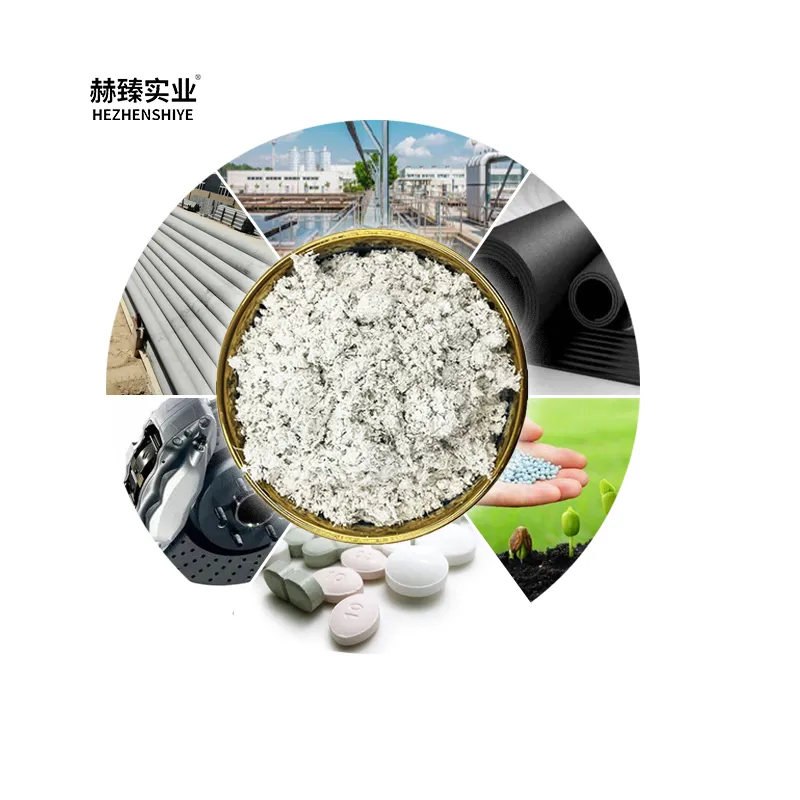
Beyond aesthetics, the integration of calcined kaolin clay into rubber coatings provides significant mechanical and protective benefits. When used as a functional filler, it enhances the overall durability of the rubber, specifically improving tensile strength and abrasion resistance. This makes it an ideal choice for automotive components, construction seals, and electronic housings where wear and tear are constant factors.
Furthermore, these refined minerals provide critical protection against environmental stressors. The high purity of the clay contributes to improved UV stability and weather resistance, preventing the rubber from cracking or yellowing under prolonged sunlight exposure. The inherent properties of the mineral also introduce a level of flame retardancy, which is a mandatory requirement for many electronics and construction industry standards.
From a procurement perspective, utilizing high-grade mineral fillers allows manufacturers to optimize costs. By replacing a portion of expensive raw rubber polymers with high-performance calcined clay, companies can maintain or even improve the final product's performance while significantly reducing raw material expenditures.
Critical Selection Criteria for Sourcing Industrial Grade Mineral Powders
Selecting the right mineral grade depends heavily on the final application. For those focusing on the commercial side of the market, such as distributors or OEM manufacturers, the purity level is the primary metric. Purity ranges from 90% to 99%, with higher percentages typically reserved for cosmetics or high-precision electronic coatings where any trace impurity could lead to product failure.
Particle shape and size distribution are also vital. A powder form is standard for coatings to ensure a smooth, homogeneous blend, whereas a granular form is preferred for substrates. Buyers must evaluate the "grade" of the material—whether it is Industrial Grade or Cosmetics Grade—as this determines the level of filtration and the strictness of the quality control protocols applied during production.
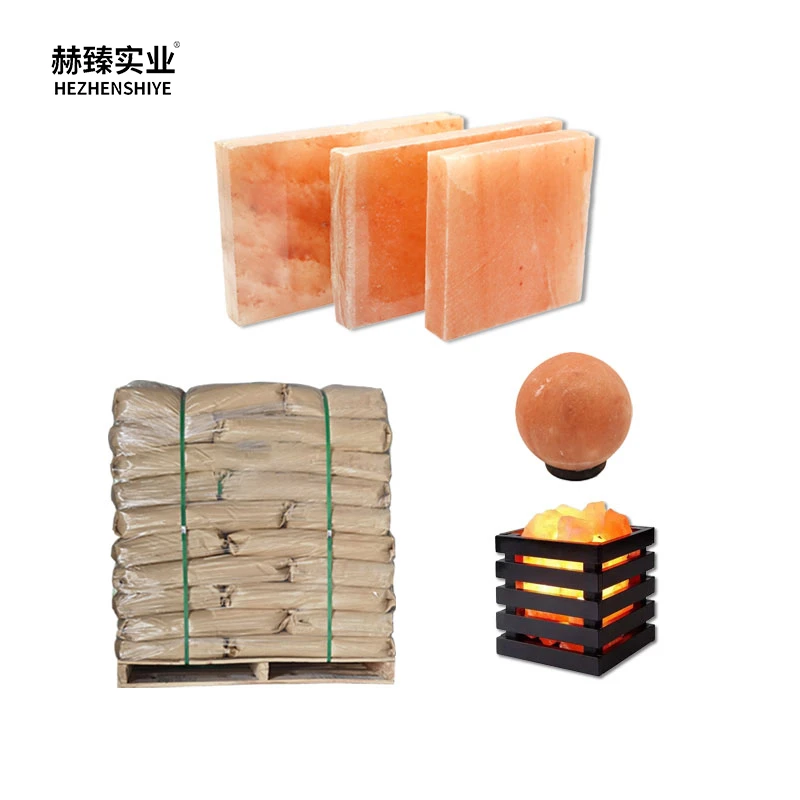
Additionally, the packaging and MOQ (Minimum Order Quantity) should align with the production scale. Professional suppliers typically offer 25kg bags but provide customized packaging for large-scale industrial contracts to ensure material stability during international transit and storage.
Technical Specification and Application Matrix
| Parameter | Industrial Grade | Cosmetics Grade | Aquatic/Ornamental | Evaluation Factor |
|---|---|---|---|---|
| Purity Level | 90-95% | 98-99% | 95%+ | Chemical Stability |
| Color Profile | White/Yellowish | Pure White | Bright White | Aesthetic Impact |
| Form Factor | Powder | Ultra-fine Powder | Granular/Powder | Application Method |
| UV Resistance | High | Medium | N/A | Durability |
| Typical Use | Rubber Coating | Skin Care/Fillers | Substrate Base | End-Use Goal |
Supply Chain Reliability and Quality Assurance in Mineral Processing
The consistency of mineral products is entirely dependent on the manufacturer's quality management system. For a company like Hebei Hezhen Industrial Co., Ltd., the integration of ISO9001:2000 certification ensures that every batch of SiO2 series, kaolin, or talc powder meets rigorous international standards. A strong technical force, including engineers and specialists, is required to manage the transition from raw ore extraction to the final refined powder.
Reliability in the supply chain also involves the proximity to logistics hubs. Being located near major ports, such as Tianjin, allows for efficient export to North America, Europe, and Southeast Asia. This reduces lead times and ensures that the product reaches the client without moisture contamination, which is a common risk when transporting non-metallic minerals.
Quality control is not limited to the final product but extends to the R&D phase. Continuous innovation in calcination temperatures and grinding techniques allows suppliers to respond to market changes, such as the demand for more eco-friendly or higher-purity materials in the electronics sector.
Future Trends in Functional Powder Materials and Market Outlook
The market for functional powder materials is shifting toward specialized, high-performance fillers that offer more than just bulk volume. We are seeing an increased demand for minerals that provide specific thermal properties or enhanced flame retardancy for the electric vehicle (EV) industry, particularly in battery housing coatings and interior rubber seals.
Sustainability is also becoming a key driver. Manufacturers are focusing on reducing the energy consumption of the calcination process while maintaining the same levels of whiteness and purity. The move toward "green" mineral processing will likely influence the procurement strategies of global buyers who must adhere to strict ESG (Environmental, Social, and Governance) standards.
For buyers, the focus will remain on finding suppliers who can provide a one-stop service—covering processing, testing, and after-sales support. As the industry evolves, the ability to customize particle size and purity levels will be the primary competitive advantage for mineral producers.
Professional Insights on Mineral Sourcing and Application
What is the difference between raw kaolin and calcined kaolin clay?
Raw kaolin contains chemically bound water and organic impurities. Calcined kaolin is heated to high temperatures, removing this water and transforming the mineral structure, which results in a brighter white color and a chemically inert material suitable for rubber coatings and high-end substrates.
How does calcined kaolin improve the durability of rubber coatings?
It acts as a reinforcing filler that increases tensile strength and abrasion resistance. Additionally, it enhances UV stability and provides flame retardancy, protecting the rubber from environmental degradation and increasing the product's lifespan.
Which purity grade should I choose for industrial applications?
For general industrial rubber or construction coatings, a purity of 90-95% is typically sufficient. However, for cosmetics or high-precision electronics, a grade of 98-99% is recommended to avoid potential contamination and ensure maximum chemical stability.
Can these minerals be customized for specific project needs?
Yes, professional suppliers can adjust the particle size, whiteness level, and packaging based on the client's technical requirements. This is common for OEM partners who need a specific consistency for their automated production lines.
What factors typically influence the cost of refined white minerals?
The primary drivers are the purity level, the degree of calcination (temperature and duration), the particle size fineness, and the volume of the order. Logistics and packaging requirements also play a role in the final landed cost.
Is this material safe for use in sensitive aquatic environments?
Because calcined minerals are chemically inert and highly refined, they do not significantly alter the pH or chemical composition of the water, making them a stable choice for high-end aquatic substrates compared to lower-grade sands.
Technical References and Industry Standards
- ISO Standards for Mineral Quality Management
- USGS Mineral Commodity Summaries
- Technical Analysis of Calcined Kaolin Properties
- ASTM International Standards for Industrial Fillers
Choosing the right mineral substrate is a technical decision that affects both the performance and the aesthetics of your final product. Whether you are optimizing a rubber coating for the automotive industry or selecting a pristine base for an aquatic display, prioritizing purity and chemical stability is key. Contact our technical team to determine the exact grade and specification required for your specific application.
Industrial Mineral Applications and Market Guides